Silent Seas: The Electrification of Yachting and Its Performance Paradox
From superyachts to day cruisers, the marine industry embraces electric and hybrid propulsion, promising a cleaner future, but not without complex trade-offs.
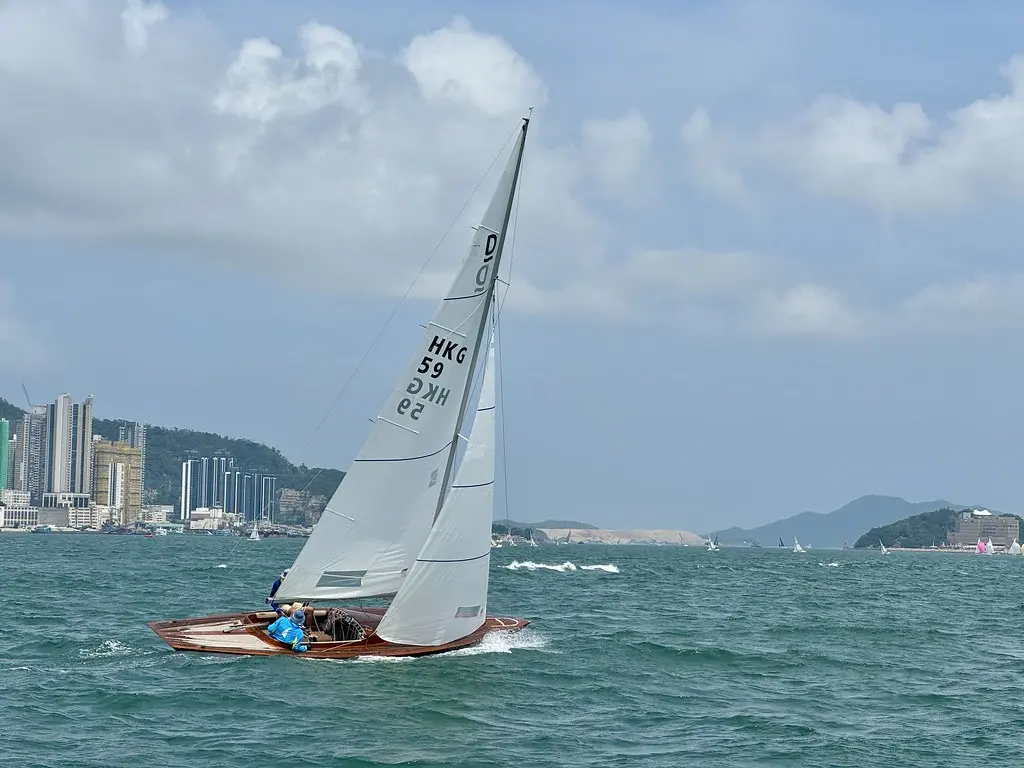
The sun dips below the horizon, painting the Pacific in hues of tangerine and violet. A superyacht glides past, its passage marked not by the familiar rumble of diesel engines, but by a whisper, a gentle parting of water. This idyllic scene, once the exclusive domain of sailing vessels, is increasingly becoming the reality for motor yachts, thanks to a burgeoning market in electric and hybrid propulsion systems.
For years, the yachting world, while synonymous with luxury, has grappled with its environmental footprint. Diesel engines, the workhorses of the seas, are powerful but notoriously polluting. Now, driven by tightening regulations, growing environmental consciousness among owners, and technological leaps, the industry is witnessing a profound shift. Major shipyards and propulsion manufacturers globally are investing heavily in electric and hybrid solutions, moving beyond mere concepts to commercially viable products.
Take, for instance, the recent launches from manufacturers like Silent-Yachts, who specialize in entirely solar-electric catamarans, or the offerings from Feadship and Sanlorenzo, who are integrating sophisticated hybrid systems into their larger vessels. These systems typically combine diesel generators with electric motors and substantial battery banks, allowing for periods of silent, emission-free cruising at lower speeds, particularly ideal for entering and leaving pristine anchorages or navigating protected waters. The appeal is undeniable: a tranquil experience on board, devoid of engine noise and vibrations, coupled with a significant reduction in emissions.
However, the transition is not without its complexities. Performance, a cornerstone of yachting, takes on a new definition. While electric propulsion excels in efficiency and torque at lower speeds, achieving the high speeds often desired by owners of larger motor yachts remains a significant challenge. Battery weight and energy density are critical factors, directly impacting range and top speed. A full-electric superyacht capable of transatlantic crossings at cruising speeds is still largely in the realm of development, not widespread reality.
"The conversation is no longer just about 'horsepower'; it's about 'sustainable power' – a more nuanced metric that weighs speed against environmental responsibility and onboard experience."
Hybrid systems offer a practical compromise, providing the best of both worlds. They allow yachts to switch seamlessly between diesel and electric power, optimizing for either range, speed, or zero-emission operation as needed. This flexibility is key to their growing adoption across various yacht segments, from luxury tenders to expedition vessels.
Sustainability, of course, is the primary driver. The marine sector contributes significantly to global emissions, and yachting, as a high-profile segment, is under increasing scrutiny. Electric and hybrid systems drastically reduce or eliminate local emissions of nitrogen oxides, sulfur oxides, and particulate matter, improving air quality in coastal areas and marine ecosystems. Furthermore, the reliance on advanced battery technology aligns with the broader energy transition towards renewables, potentially allowing yachts to be charged from shore-side clean energy sources.
Looking ahead, the market for electric and hybrid yachts is projected to expand exponentially. The innovations in battery technology – particularly solid-state batteries promising greater energy density and faster charging – will undoubtedly reshape capabilities. Infrastructure for charging, both at marinas and via innovative 'e-buoy' solutions, will also need to evolve rapidly to support this shift. The silent revolution on the seas is not just a trend; it's a testament to the industry's commitment to preserving the very environment that defines the yachting experience, albeit with a mindful eye on the evolving definition of performance.
Newsletter
Pacific Daily
A curated briefing from Thailand, Asia-Pacific and the world.