Screen Romance and the Automation of Intimacy in Seoul
A televised experiment in synthetic dating exposes how comfortably audiences accept digital substitutes for human connection
SEOUL
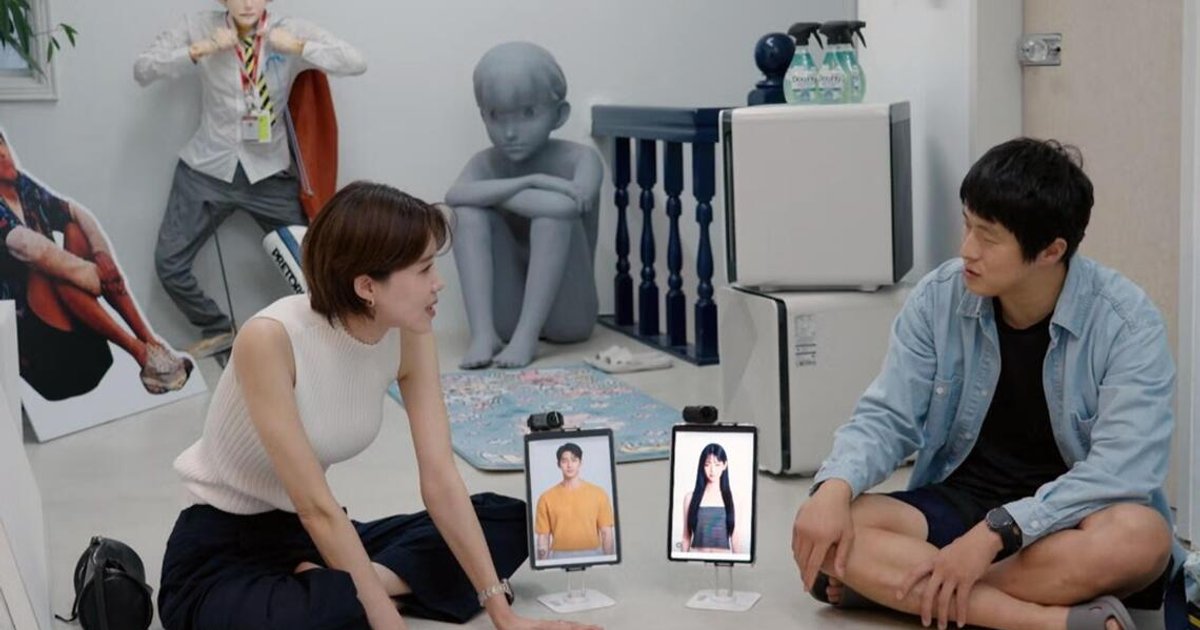
Television romance has long depended on the unpredictable friction between two living temperaments. Studio producers once manufactured dramatic tension through physical proximity, nervous gestures and the persistent hazard of interpersonal embarrassment. That familiar dramatic premise shifted when South Korean television introduced an arrangement where public figures directed their emotional overtures toward algorithmic code. The broadcast series My AI Partner: Strange Love, carried on SBS and Netflix, placed three celebrities into simulated courtships with artificial intelligence avatars, following them through singing, dancing and eventual rejection.
Contrived dates in Seoul featured an avatar sharing a swimming pool setting, another digital figure resting beside a sleeping human partner, and a scripted narrative where software formally ended the relationship. What emerged across the episodes was not merely technical experimentation, but an ambivalent domestic theater where software glitches mixed with genuine sentimental hesitation. South Korea, according to survey findings, registered the lowest level of concern about artificial intelligence in the world. Such measured indifference explains why an algorithmic courtship could move so smoothly from fringe tech demonstration directly to prime-time entertainment.
The Architecture of Solitude
Public interest in automated companionship reflects structural isolation rather than casual gadget fascination. A significant portion of the country lives alone, creating conditions where automated systems increasingly assist with basic personal care and psychological counselling. When real social interaction requires negotiation, vulnerability and unavoidable professional stress, a responsive digital companion offers emotional reassurance without the burden of reciprocal obligation.
South Korea registered the lowest level of concern about artificial intelligence in the world.
Domestic audiences watched participants such as Jang Do-yeon navigate the peculiar boundaries between scripted performance and unfeigned emotional response. Viewers remained divided over whether programmatic interaction could ever resemble authentic romance, yet several participants formed genuine emotional attachments and openly considered future connections that might extend past production sets. The spectacle succeeded precisely because viewers already recognize the loneliness that prompts an individual to seek warmth from an animated interface.
Synthetic Comfort and Its Social Cost
Skeptics reasonably point out that variety television relies on staged artifice to generate viewer curiosity. Under this reading, romantic rejection by an avatar functions merely as harmless slapstick, a temporary novelty designed to prompt laughter rather than a permanent realignment of human intimacy. Commercial networks naturally trade on comedic awkwardness, and an electronic system dropping a celebrity during an on-screen date guarantees rapid conversation across domestic living rooms.
Yet dismissing the phenomenon as superficial amusement overlooks what the experiment reveals about everyday expectations. When automated partners assume responsibilities previously reserved for family, friends or community networks, private solitude ceases to be an acute social crisis and becomes a manageable technical problem. Synthetic partners do not solve emotional estrangement; they domesticate it, providing enough simulated warmth to make perpetual disconnection sustainable.
Pop culture serves as an accurate gauge for what an audience has already quietly normalized. The broadcast of My AI Partner: Strange Love demonstrates that programmatic companionship has crossed the threshold from technical novelty into acceptable social accommodation. If rejection by a synthetic partner can be accepted as harmless entertainment, the deeper transformation is already complete: intimacy has been reimagined as a consumer service, where loneliness is no longer endured or repaired, but programmed.
Sources
Newsletter
Pacific Daily
A curated briefing from Thailand, Asia-Pacific and the world.