Prince of Songkla University: A Southern Thai Legacy of Service
At the Hat Yai campus, donated land, cultural coexistence and a public-service ideal connect the university’s history with the lives of its region.
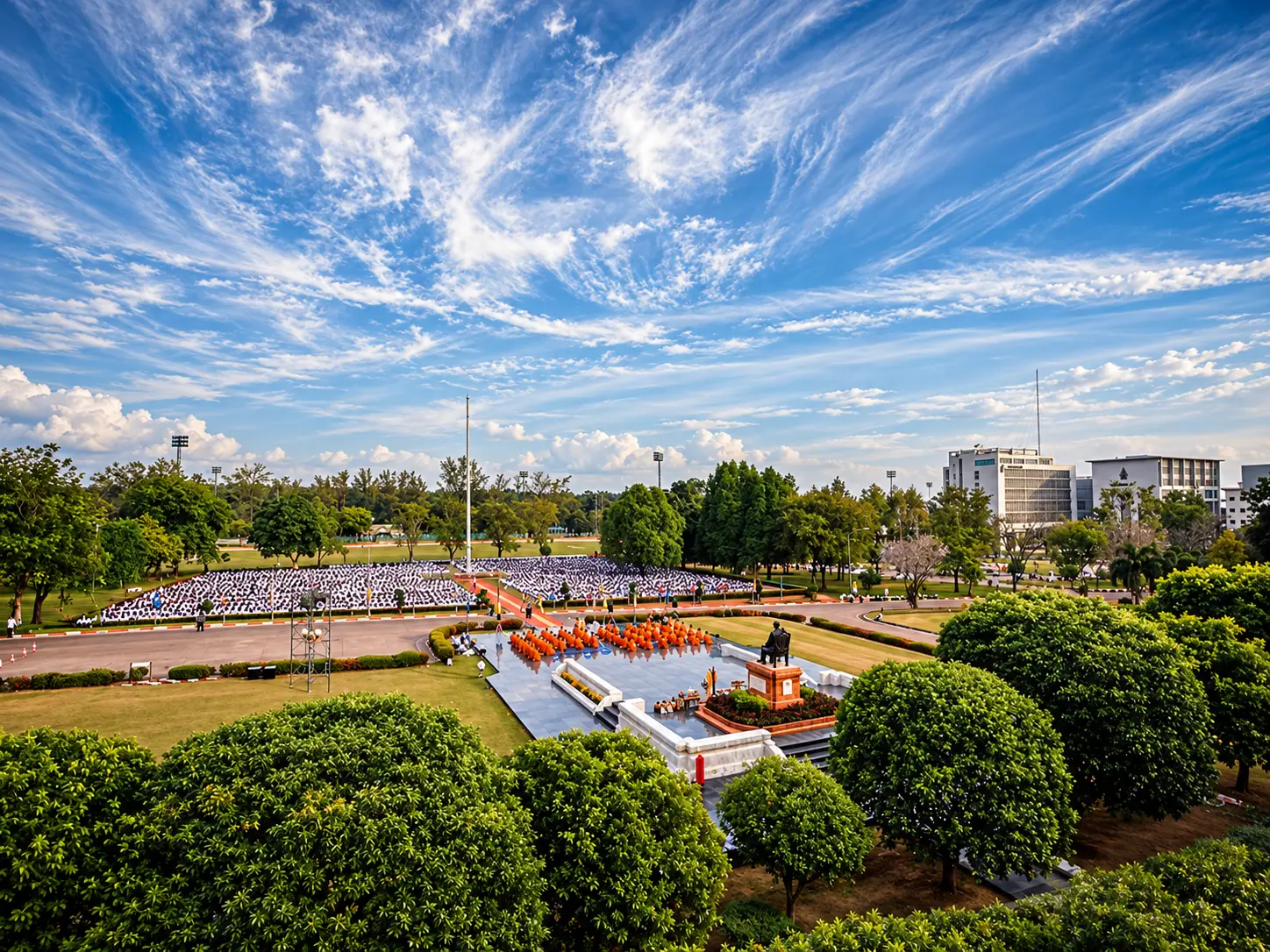
Hat Yai, Thailand — A university's history is often told through its buildings, degrees and research. At Prince of Songkla University, another story runs beneath those familiar markers: the gift of land that made a campus possible, the coexistence of different faiths, and a commitment to put knowledge to work beyond the classroom.
The Hat Yai campus is part of southern Thailand's social history, not simply a place to study it. Its significance lies in the relationship between an institution and the people whose opportunities, health and everyday lives have become bound up with it.
A regional ambition takes root
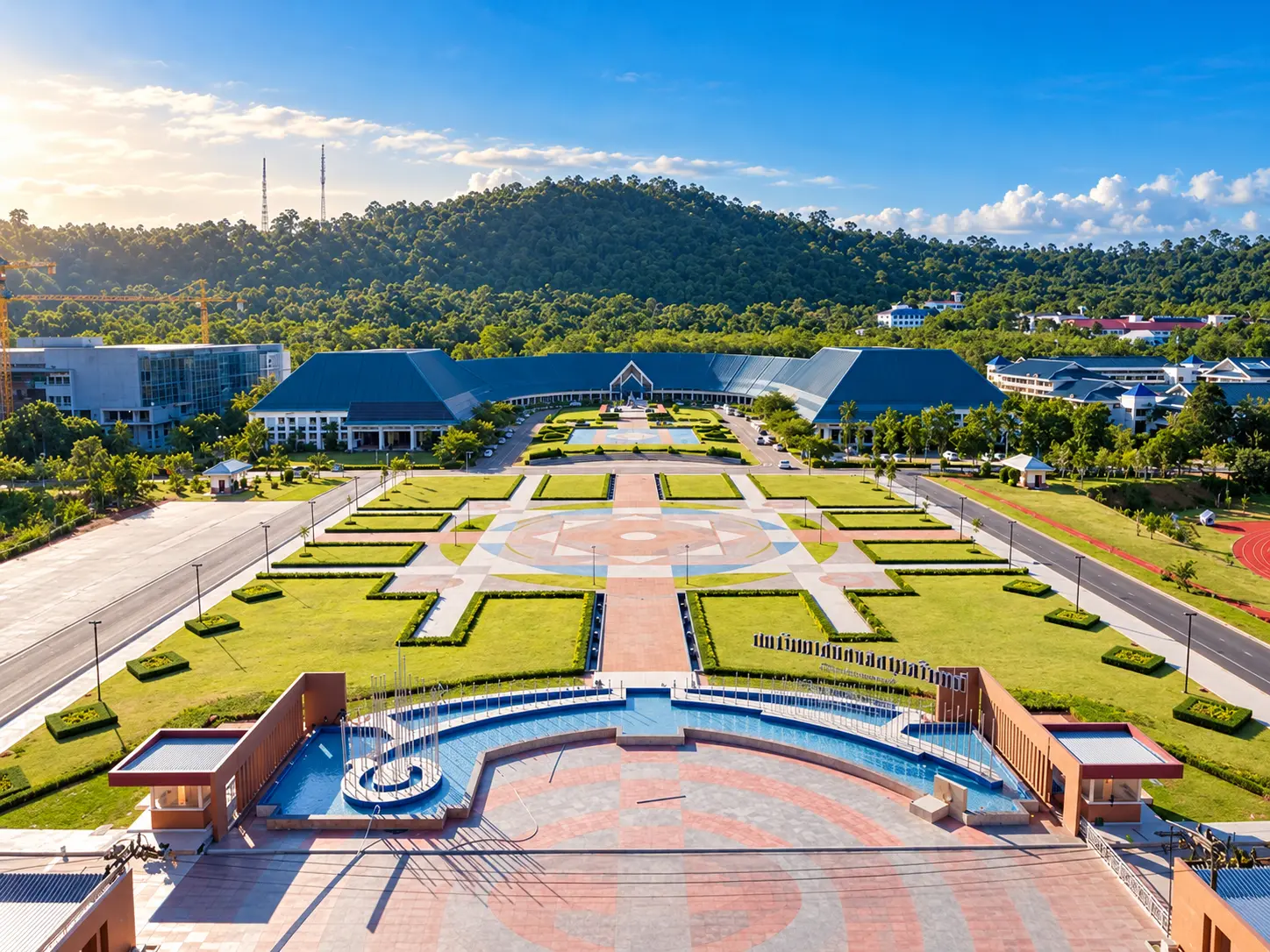
Prince of Songkla University was formally established under its founding law in 1968 as the first university in southern Thailand. Its early development began in Pattani; engineering teaching moved to Hat Yai in 1971, helping establish the campus as a centre of education and research for the region.
The university's royal name honours Prince Mahidol of Songkla. His ideal of service to others became central to its identity. That inheritance gives the institution a purpose beyond academic distinction: education matters not only for what it discovers, but also for whom it serves.
The gift behind the campus
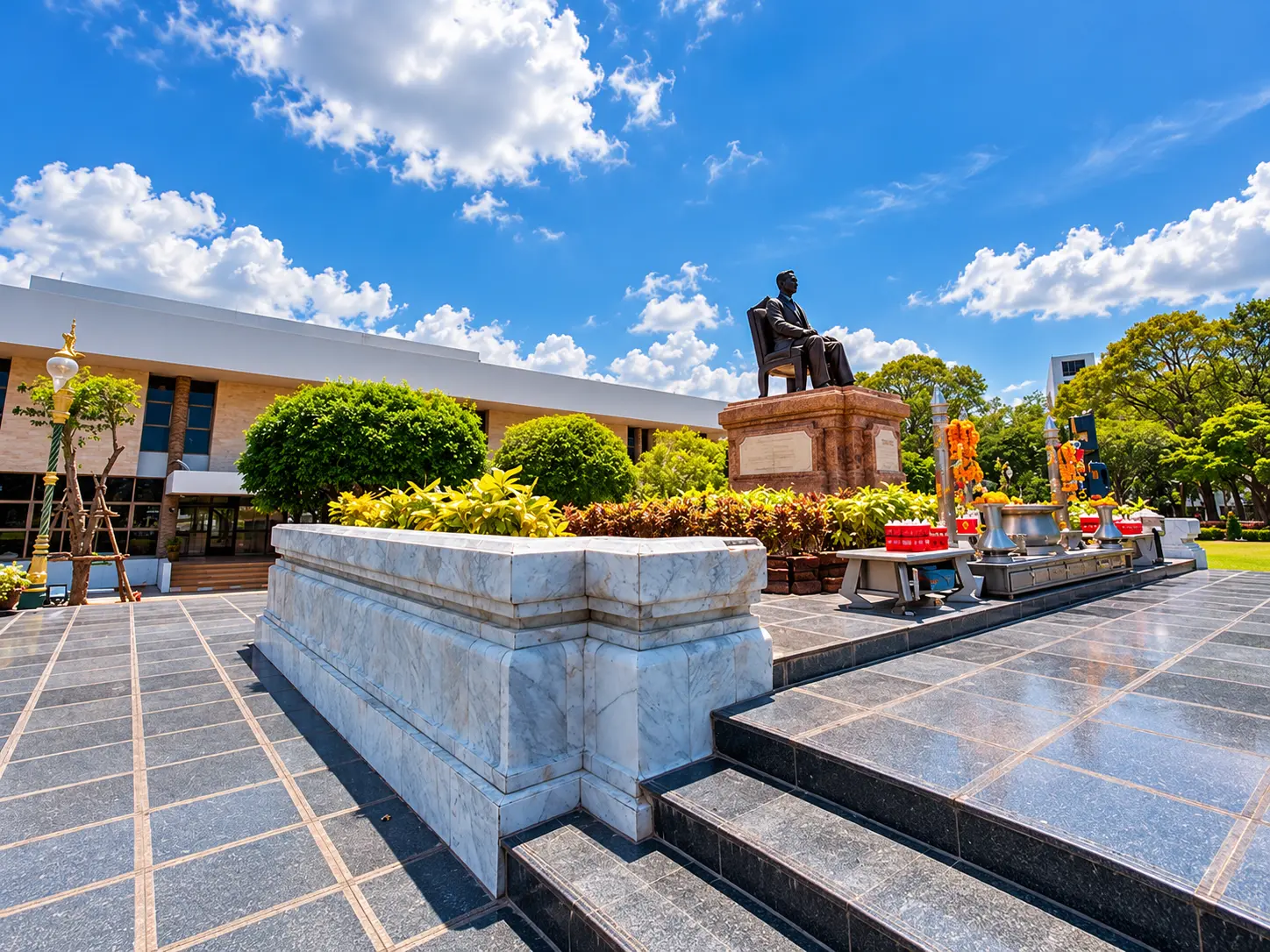
One of Hat Yai's defining university stories begins with Khunying Long Athakravisunthorn, a woman who had not had the opportunity to attend formal schooling in her youth. She donated more than 690 rai of rubber-plantation land in Kho Hong to support the university's construction.
Land once devoted to agriculture became a place where successive generations could learn and pursue opportunities unavailable to those before them. Her name remains attached to the university's central library, keeping that gift visible within daily academic life.
The donation changes how the campus can be understood. Its beginnings belong not only to administrators and scholars, but also to a person who chose to make education possible for others.
Different beliefs, a shared community
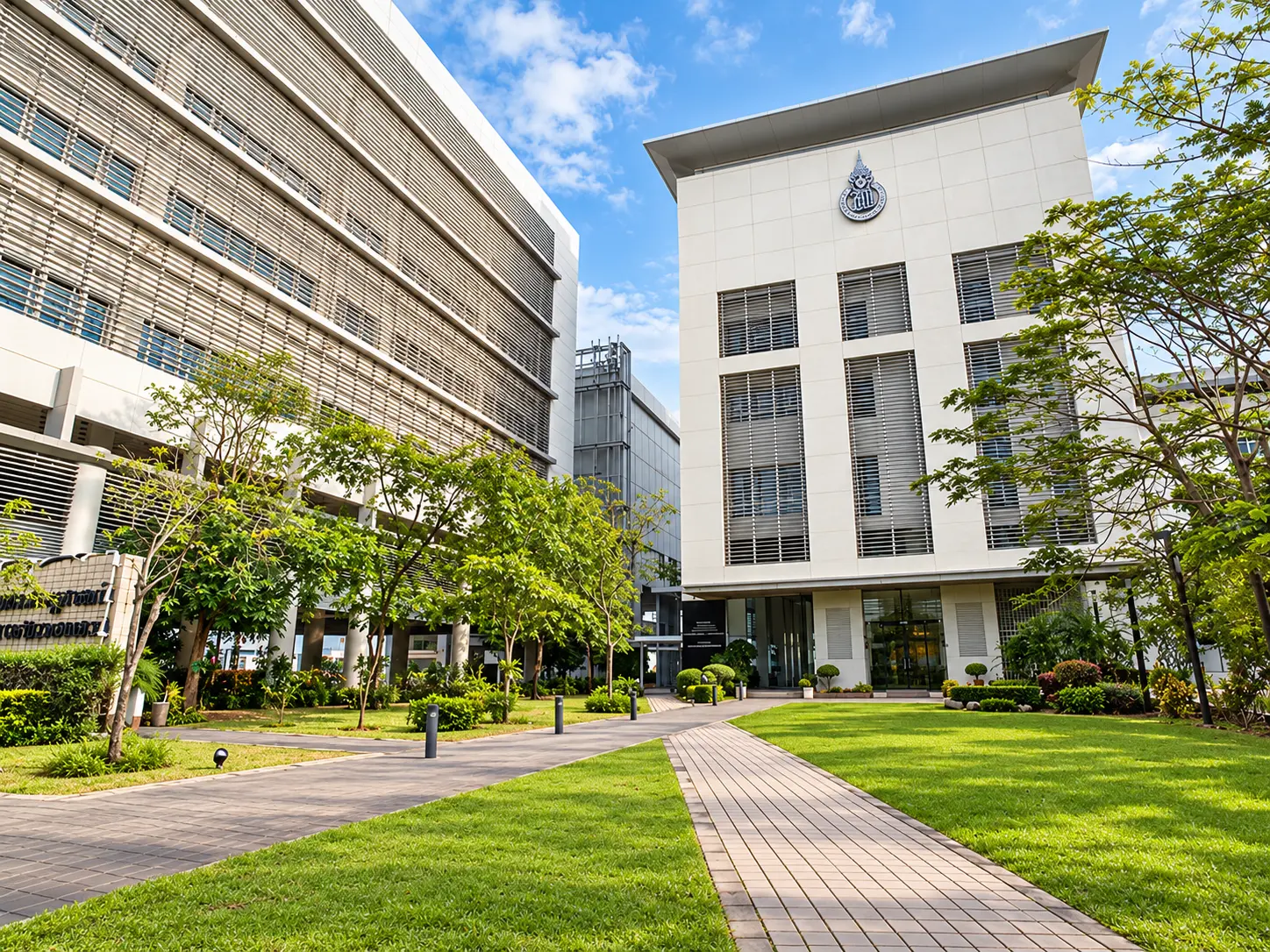
The pale-purple sri trang flower is a familiar university symbol, associated with its pioneering years. Its dark-blue institutional colour evokes the sea and its connection with Prince Mahidol's life.
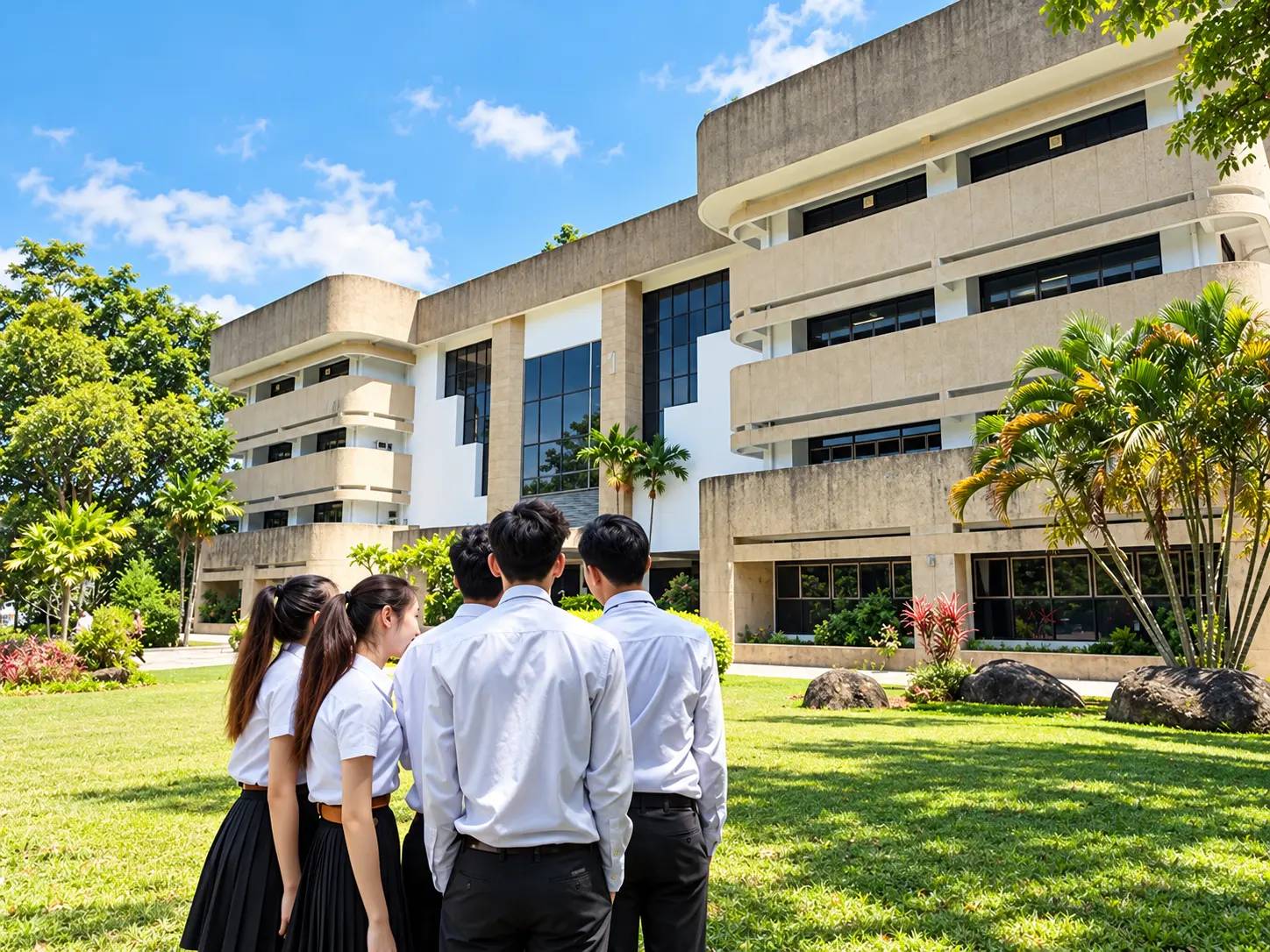
Yet the university's cultural character is expressed as much through people as through emblems. Its wai khru activities make room for Buddhist, Muslim and Christian students to honour their teachers in ways consistent with their respective beliefs.
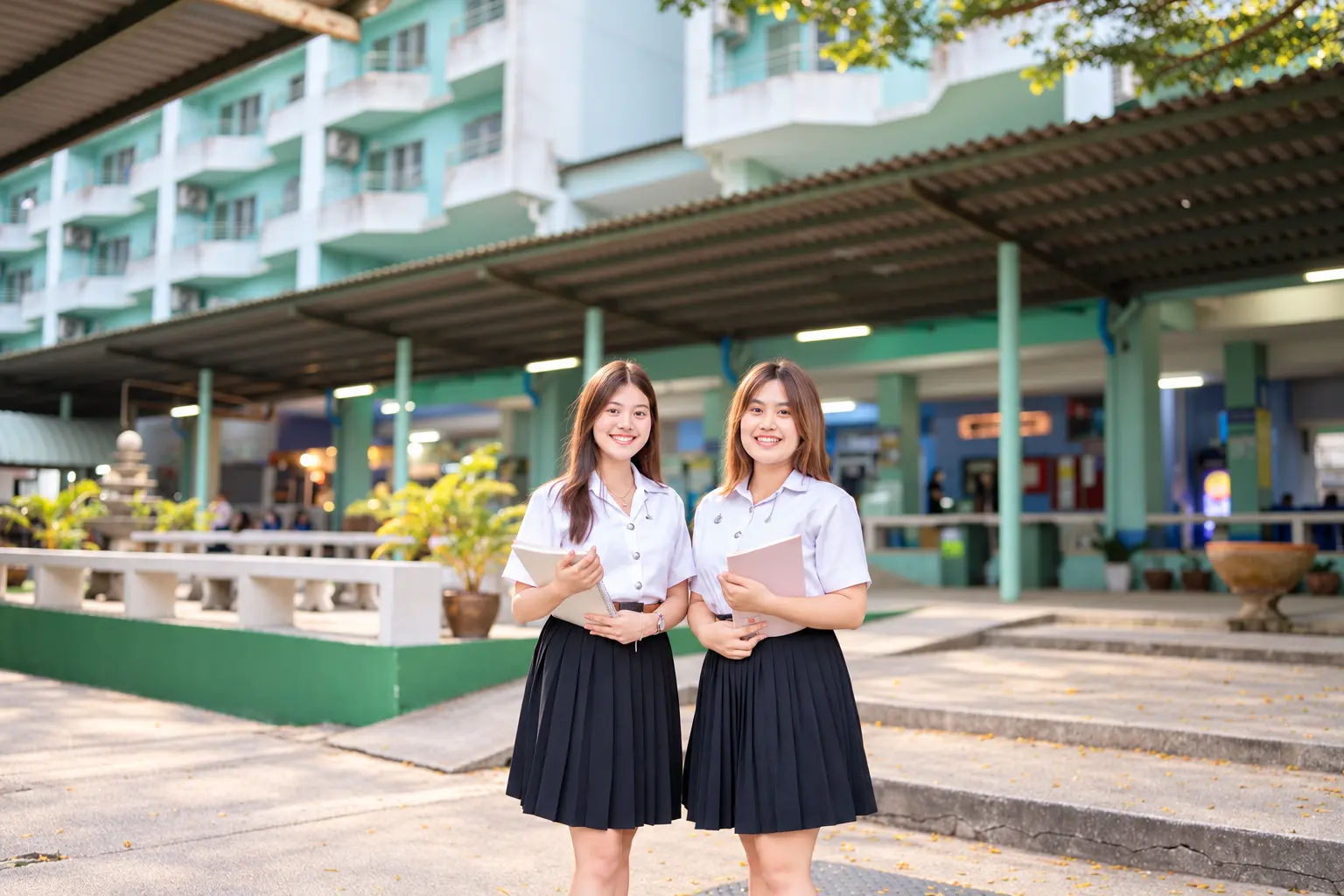
The shared purpose is gratitude, not religious uniformity. This coexistence reflects an important part of southern Thailand's social life: people can retain distinct identities while learning and growing within the same community.
Knowledge beyond the classroom
Songklanagarind Hospital began providing medical services in 1982, marking an important development in healthcare for the region. Its role places the university's public-service ideal in a setting where the consequences of knowledge are immediate and practical.
Another milestone connected Hat Yai with the wider world. PSU's Faculty of Science records Thailand's first email as having been sent from Hat Yai to Australia in 1988. The account distinguishes that message from the earlier internet connection in 1987.

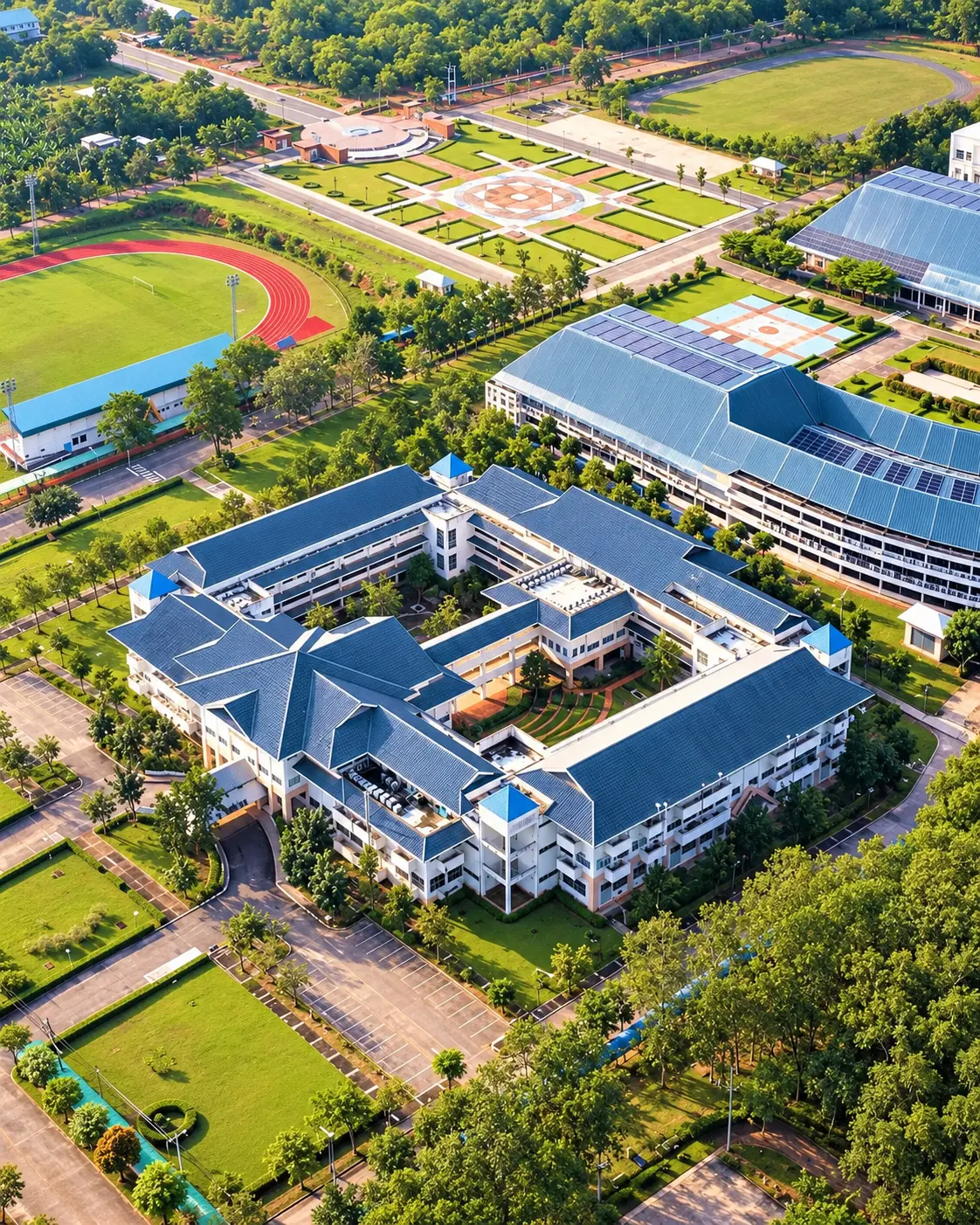
The Southern Agricultural Fair provides a different kind of connection, bringing academic knowledge into contact with farmers, entrepreneurs and local communities. Meanwhile, the university's history hall preserves documents, photographs and the stories of people who shaped the institution.
A legacy measured in opportunity
More than half a century of institutional life does not, by itself, explain the Hat Yai campus's importance. What matters is the continuity between its origins and its social role: donated land, an education open to cultural difference, and knowledge connected to public needs.
Buildings and technologies change. The responsibility embodied in the university's guiding ideal remains: “ประโยชน์ของเพื่อนมนุษย์เป็นกิจที่หนึ่ง” — placing the benefit of fellow human beings first.
That is a demanding measure of a university's legacy. It asks not only what knowledge an institution produces, but also whose lives gain new possibilities because it exists.

Sources
Newsletter
Pacific Daily
A curated briefing from Thailand, Asia-Pacific and the world.