The Hundred-Year Bear in the Urban Glass Tower
Branded character merchandise in Singapore exposes how multinational coffee retail now relies on manufactured nostalgia rather than beverage craft.
SINGAPORE
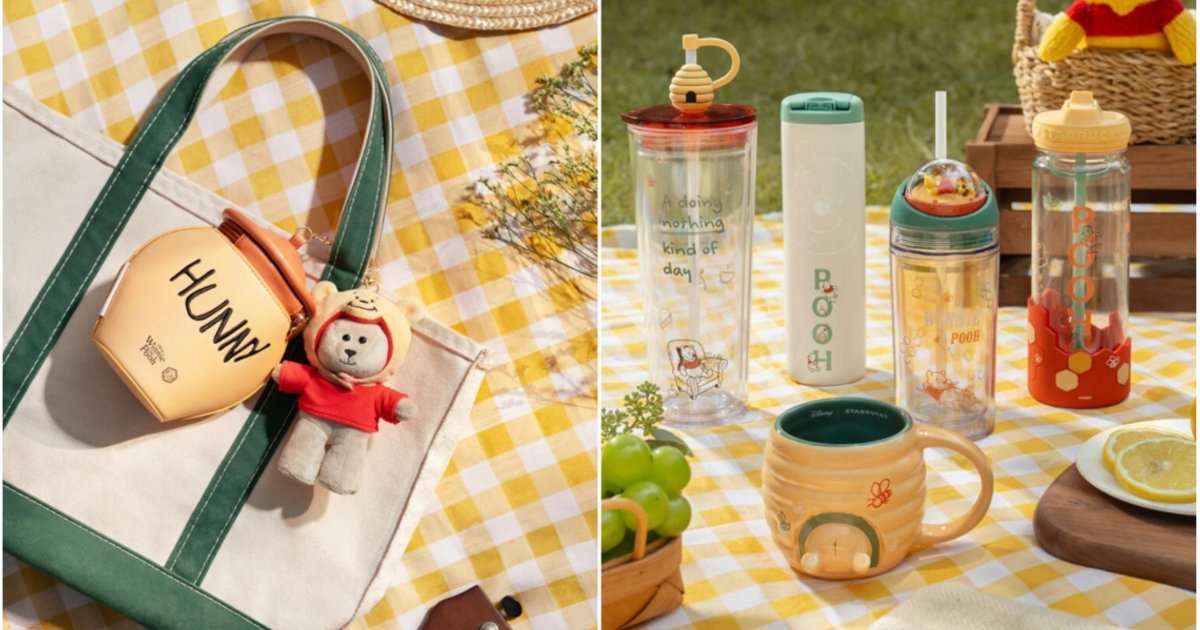
Across Singapore, glass counters engineered for espresso tampers and ceramic saucers have quietly surrendered display space to acrylic phone straps and storybook bears. On Oct 20, Starbucks Singapore will launch a Winnie the Pooh merchandise collection across selected stores, marking 100 years of the character with twenty limited-edition items. Shelves will carry honey-themed tumblers, a ceramic beehive mug, collectible Starbucks Bearista keychains, and reusable bags. What began generations ago as quiet English nursery prose now sits beside automated payment terminals.
Such retail spectacles are no longer isolated novelties. Instead, they reflect a deliberate commercial formula that substitutes licensed intellectual property for cafe culture.
Consider how consumer routines across the island have tracked this character. Winnie the Pooh has recently drifted through themed installations at Gardens by the Bay, an afternoon high tea booking at SKAI, and a dedicated zine printed by The Straits Times. Earlier, the same coffee chain partnered with Pop Mart to mark the 20th anniversary of Molly. These coordinated promotions indicate that corporate planners increasingly view public spaces not merely as places to sell drinks, but as transient distribution hubs for licensed memorabilia.
The Architecture of Artificial Scarcity
Coffee houses historically monetised habit, providing a consistent third space between residential domesticity and corporate office desks. That core model faces distinct structural strain. Corporate restructuring recently eliminated office roles across London and Hong Kong, while headquarters in South Korea weathered an investigation by Seoul police linked to a promotional event. Against this operational backdrop, retail strategies appear to rely on artificial scarcity to generate immediate foot traffic. Packaging childhood nostalgia into numbered product allocations turns morning commuter habits into urgent transactions.
Merchandising defenders might counter that licensed partnerships simply serve organic public affection for enduring cultural icons. Winnie the Pooh, Piglet, Tigger, and Eeyore have retained international popularity for a century, sustaining emotional connections that naturally extend to functional household items. Merchandising character goods can be seen as ordinary brand playfulness. Yet the frequency of these seasonal drops suggests a deeper shift: novelty items no longer supplement the beverage ledger, but actively subsidise customer footfall.
Beverage Menus Yielding to Novelty
When coffee chains rely on collectible drinkware to protect footfall, the product being traded is no longer the beverage in the cup.
Product engineering alone appears insufficient to sustain consumer interest. Even bespoke liquid offerings, such as the Aerocano launched in South Korea, compete for attention against collectible goods. The physical counter operates less like a culinary station and more like an ephemeral gift shop.
Patrons lining up on Oct 20 will not be assessing the roast profiles of single-origin beans. Their attention will be trained on the dwindling stock of a ceramic beehive mug before inventory clears out.
This dynamic creates an uneasy equilibrium for urban retail. Global chains maintain expansive networks of prime city storefronts, yet increasingly depend on century-old storybook figures to ensure patrons step through the doors. When the displays are packed away and the twenty limited-edition items depart, the cafe returns to an unresolved question: what keeps an urban commuter returning once the licensed charm leaves the shelf?
Sources
Newsletter
Pacific Daily
A curated briefing from Thailand, Asia-Pacific and the world.