Historic Korean narratives re-examined through a Western lens
Netflix’s 'The Scandal' uses an 18th-century French novel to navigate the strictures of Joseon-era patriarchy, revealing a particular strategy for regional cultural export.
SINGAPORE
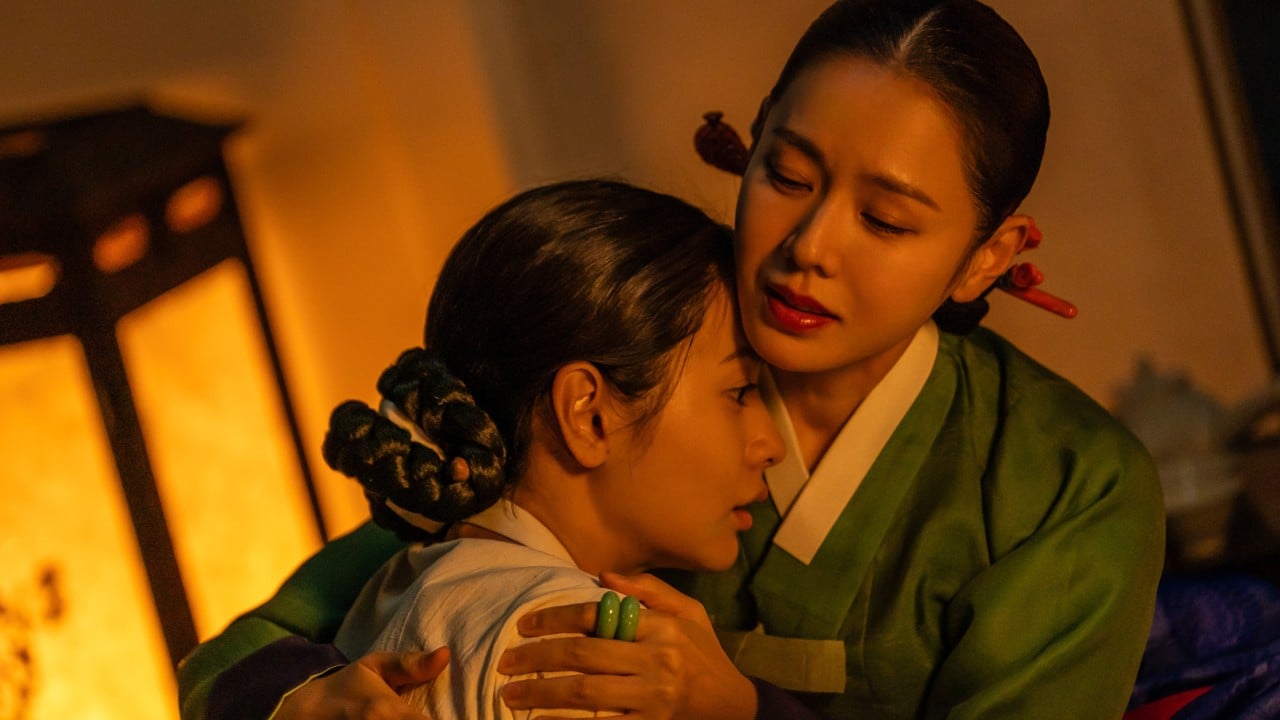
The appearance of Netflix’s new K-drama, 'The Scandal', which adapts Pierre Choderlos de Laclos’s 18th-century French novel 'Les Liaisons Dangereuses' to Joseon-era Korea, presents a specific approach to cultural storytelling. This move, reported by SCMP Lifestyle on September 18, 2026, places an erotically charged tale of aristocratic seduction within a historical Korean setting, which on first consideration might appear an unconventional choice.
Yet, the source summary from SCMP Lifestyle itself identifies the Joseon period’s patriarchal nature as making it a 'perfect backdrop' for this adaptation. The inherent societal constraints of that historical epoch lend themselves to a narrative structure where power, desire, and reputation are tightly interwoven, perhaps even more acutely than in its original French context. This choice signals a deliberate strategy by a platform like Netflix: to frame historical Korean narratives in ways that resonate with widely recognized, often Western, literary archetypes.
Actress Son Ye-jin, whose career the Bucheon Fantastic Film Fest revisited in 2024, anchors the cast, alongside Ji Chang-wook and Nana. This casting, featuring established Korean talent, suggests a balancing act: honoring local celebrity while packaging the content for a global audience familiar with the source material's enduring themes. The drama is described as a 'glossy adaptation', a term that implies a production aimed at broad appeal and high visual quality, aligning with the expectations of an international streaming service.
One might argue this approach risks diluting the unique cultural specificities of Joseon-era Korea, reducing its complexities to a mere 'backdrop' for a pre-existing storyline. The concern is valid: translating a narrative across such disparate cultural and temporal contexts inevitably involves choices about what to emphasize and what to elide. However, by juxtaposing a known, scandalous European literary work with a rigidly patriarchal Korean past, 'The Scandal' potentially offers a new entry point for international viewers into Korean history and social dynamics. It provides a familiar narrative framework through which to explore the particularities of the Joseon period.
This method of adapting Western literary classics into Asian historical settings is not without precedent. Yet, its consistent deployment by major platforms signals a broader trend in the Asia-Pacific region’s cultural export. It is an acknowledgment that while local contexts are rich, universal themes presented through a recognizable narrative structure can accelerate global engagement. The question for cultural observers is whether such adaptations truly reveal the nuances of the adopted culture, or if they primarily serve to reflect back what the audience already believes about universal human experiences, albeit in a new costume. This tension remains central to understanding the global appeal of such productions.
Sources
Newsletter
Pacific Daily
A curated briefing from Thailand, Asia-Pacific and the world.