Red Bull's Driver Strategy: A Calculated Risk Amidst Performance Swings
Isack Hadjar's promotion to Formula 1's most scrutinized team signals Red Bull's continued focus on nurturing talent, even as established performance fluctuates.
SINGAPORE
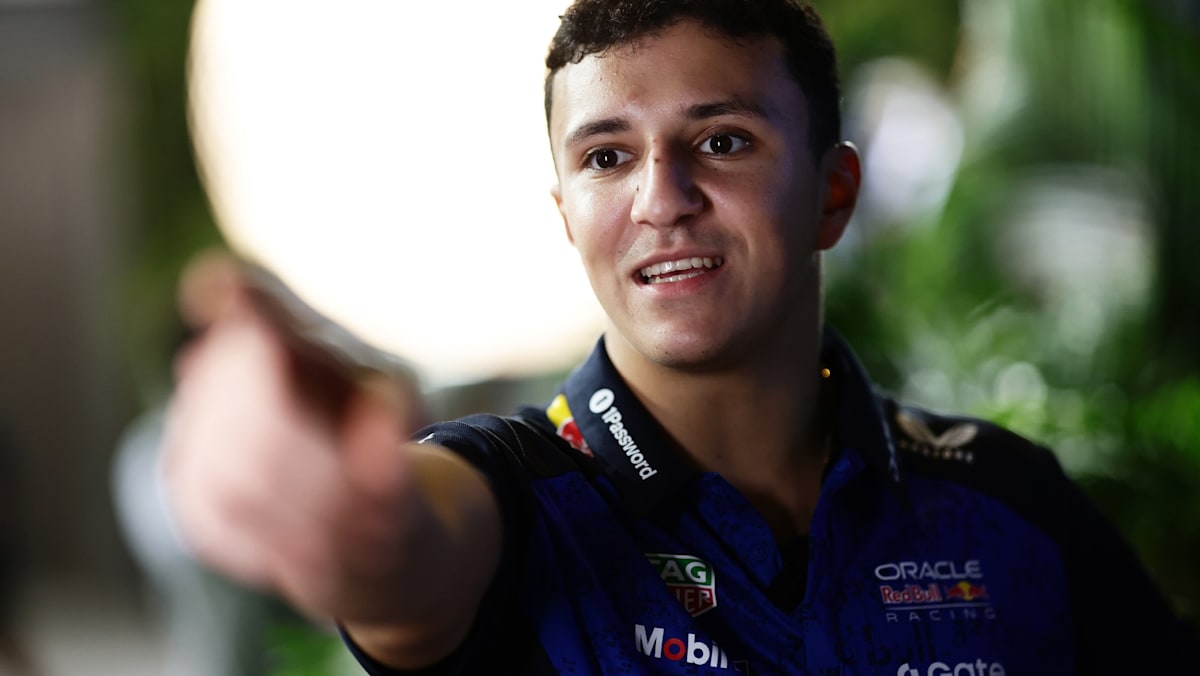
Isack Hadjar earned one of Formula 1’s toughest seats after an impressive debut season, now partnering Max Verstappen at Red Bull. This rapid ascent from F1 rookie to a primary Red Bull driver is notable. The move places a young talent directly into a team where the established lead driver, Max Verstappen, has publicly criticized car performance, calling the Red Bull car 'completely undriveable' after Chinese GP qualifying and slamming 'joke' F1 after a retirement at the same event in 2026.
This decision to promote Hadjar, a French-Algerian Formula One driver, positions him alongside Verstappen during a period when Red Bull’s dominance, as reflected by Verstappen’s statements, appears to face internal challenges. The Red Bull strategy, historically, has involved promoting young drivers from its junior programs, but rarely directly into the senior team to partner a multi-championship winner with evident frustrations regarding car development. The commercial incentives behind Hadjar's rapid integration into the top team, despite public frustrations from the lead driver, suggest a clear focus on the Red Bull brand's long-term talent pipeline.
The Cost of Talent Development
The commitment to a rapid rise for Hadjar suggests a long-term investment in specific talent over immediate, proven high-level results from a more experienced driver. This approach, while fostering internal growth, also places significant pressure on new entrants. Hadjar's new contract and more podiums signal his early success, yet the environment he enters involves a senior teammate who expresses considerable dissatisfaction when performance falls short. Such a dynamic can either accelerate a rookie's development through direct comparison with an elite driver or expose limitations under intense scrutiny, particularly when the team faces performance inconsistencies.
Red Bull’s internal promotions are designed to secure future competitiveness, but the immediate implications for team stability are less clear. The team opts for a specific development path for Hadjar, potentially accepting short-term volatility for future gains. Hadjar’s quick progression means he is now in a direct position to contribute to Red Bull’s performance metrics at the highest level, under the immediate shadow of Verstappen's performance and criticisms. The real test for this strategy will be Hadjar's ability to consistently deliver alongside a driver who articulates clear expectations for car performance, even when those expectations are not met by the team's machinery, shaping the team's outlook for 2026 and beyond.
Sources
Newsletter
Pacific Daily
A curated briefing from Thailand, Asia-Pacific and the world.