Ratchaburi's new hotel tests a shift in Thailand's tourism landscape
The opening of Centara Life Wisma Hotel Ratchaburi suggests commercial optimism in a 'secondary tourism province,' yet wider market dynamics indicate constrained growth for local residents.
SINGAPORE
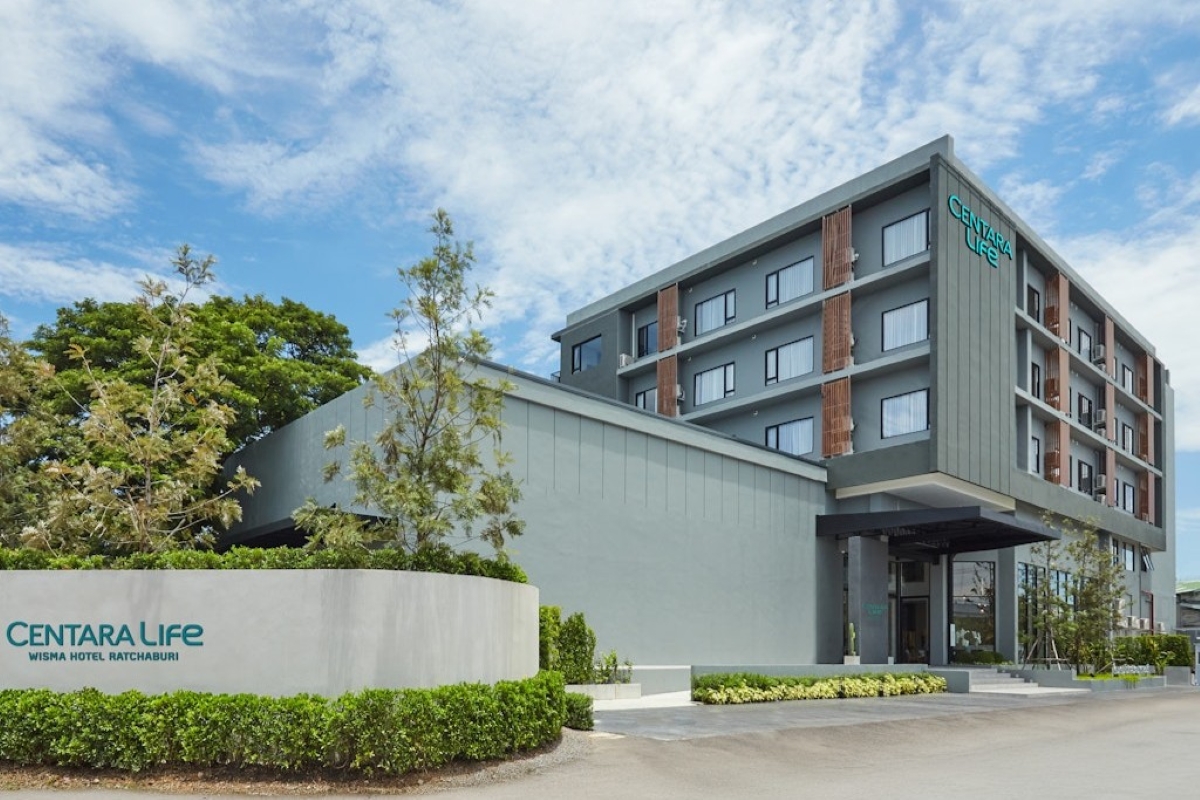
The introduction of Centara Life Wisma Hotel Ratchaburi, featuring 69 rooms across four floors, signals a calculated investment in Ratchaburi, a province described as a “secondary tourism province.” Located less than two hours’ drive from Bangkok, its new hotel stock, ranging from 24m² Superior rooms to a 72m² Premier Suite, aims to capitalise on the demand for quick getaways from the capital. This development, occurring in 2026, presents a micro-level example of how developers are assessing and responding to evolving tourism patterns within Thailand.
The strategic placement of Centara Life Wisma Hotel Ratchaburi, offering access to the province’s attractions, reflects an attempt to diversify Thailand's tourism offerings beyond established hotspots. Bangkok itself continues to see new hotel options, with some offerings starting from USD 49 as of 2024. The investment in Ratchaburi, however, comes without public data on local tourism growth rates or average occupancy, making the precise market rationale for this expansion opaque. Such ventures often target a demographic with disposable income seeking convenience, which may create a disconnect with the economic realities for some local populations. The absence of specific local economic indicators or policy documents outlining support for such developments limits a full assessment of its broader economic impact on Ratchaburi’s residents.
The focus on day-trippers and short-stay visitors from Bangkok suggests developers perceive a market segment willing to pay for modern amenities in less-frequented areas. While this can bring some economic activity, the nature of such tourism often provides jobs that may not align with the living wage requirements for existing residents. The expansion of formal hospitality infrastructure can also elevate land values and living costs, inadvertently making the region less affordable for its long-term inhabitants. This pattern is observable in many developing tourism economies, where the influx of external investment can marginalise local enterprises or price out local workers from emerging job markets that require specific skills or capital.
Looking forward, the success of hotels like Centara Life Wisma Ratchaburi will depend on sustained domestic travel patterns and potentially, international short-haul tourism from regions like China. However, global factors, such as the potential impact of El Nino on weather patterns in 2026/27, introduce uncertainties for the broader tourism sector. Ratchaburi, despite its proximity to Bangkok, lacks the established international recognition of destinations like Phuket or Chiang Mai. The challenge for new developments in secondary provinces is to generate sufficient demand to ensure profitability without relying solely on weekend traffic from a single large city. The long-term outlook for such properties will thus hinge on their ability to cultivate a loyal visitor base and integrate economically with the local community, rather than merely extracting value from it. The crucial question remains whether new hotel capacity in places like Ratchaburi creates opportunities that benefit the broader provincial economy or primarily serves the interests of external investors and urban tourists.
Sources
Newsletter
Pacific Daily
A curated briefing from Thailand, Asia-Pacific and the world.