Luxury Hotel Renovations: A Shifting Landscape for Expat Life in Bangkok
The Anantara Siam's upgrade points to deeper changes in the city's appeal, challenging assumptions about who Thailand now serves.
BANGKOK
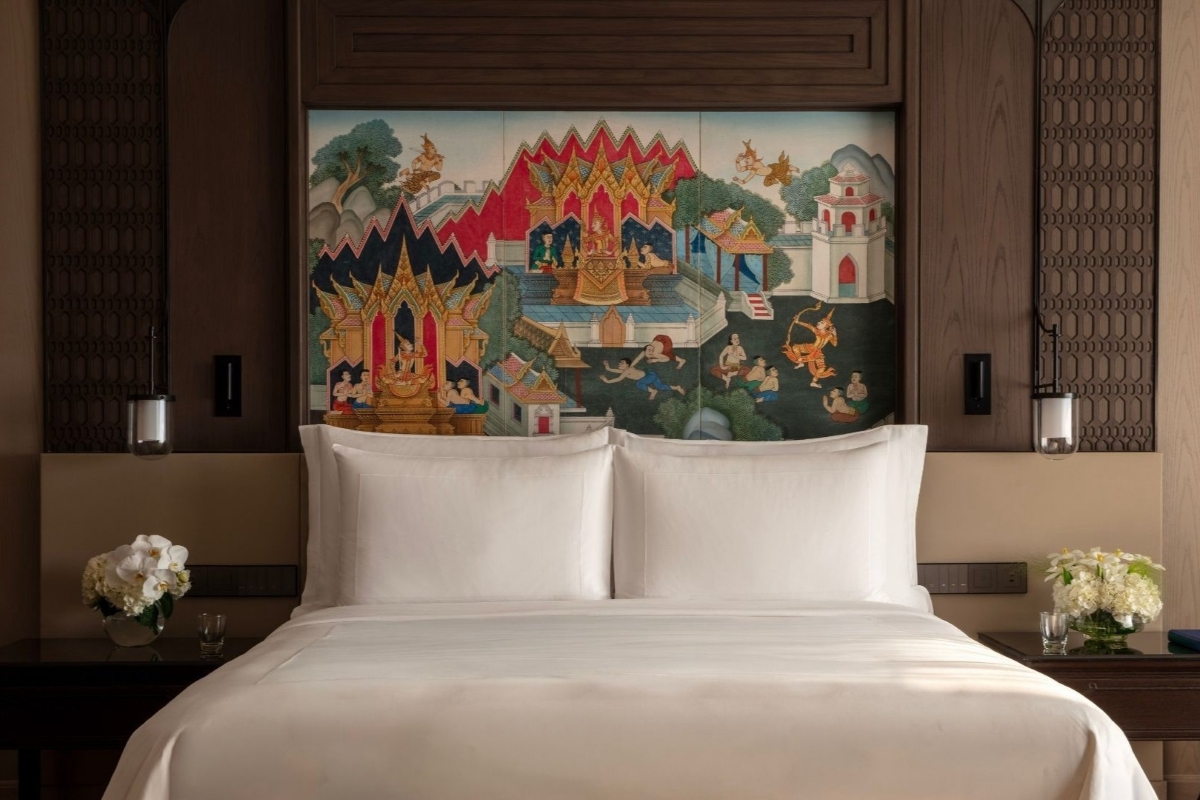
The Anantara Siam Bangkok Hotel recently completed a US$50 million enhancement. This investment, equivalent to 1.6 billion baht, aims to strengthen the property’s position as a living cultural landmark. The hotel, which opened in 1983 and was designed by George Wimberley, has been described by its source as a place where hand-painted murals, tranquil garden courtyards, and storied hospitality define Thai luxury.
This extensive renovation of a long-standing institution raises questions about the evolving landscape for expatriates and long-term residents in Bangkok. For those who established lives in the city during earlier periods, the consistent upward trajectory in luxury offerings may alter their daily experience of Bangkok. The hotel's stated brand philosophy, “Transformed. Timeless. Thai,” suggests a strategy to modernize while retaining an established identity. This kind of significant capital outlay in high-end accommodation often correlates with a shifting demographic among international visitors and residents, focusing on those with higher discretionary spending.
The immediate effect for many will be an increased cost of accessing certain amenities and services. Properties undergoing such enhancements typically re-evaluate their pricing structures. While the hotel aims to introduce “inspired contemporary design, elevated experiences, and a renewed sense of discovery,” this pursuit of enhanced luxury can lead to a more exclusive environment. The implication is that spaces once accessible to a broader range of residents and tourists may become primarily catering to a premium market segment. This dynamic is not unique to Bangkok but is a recurring pattern in cities that experience sustained economic growth and an influx of international capital.
Conversely, some might argue that such investments elevate Bangkok's overall profile as an international destination, potentially drawing more diverse investment and opportunities. A more refined hospitality sector could, in theory, create a halo effect, improving ancillary services and infrastructure across the city. However, the direct impact on the day-to-day lives of the general expat population, particularly those not engaged with the luxury tourism sector, often manifests as an increased cost of living without a commensurate increase in practical benefits. The question becomes whether the city’s development strategy balances high-end tourism with the needs of its long-term foreign residents. The outcome will depend on the extent to which these upgrades cascade into the wider economy in ways that benefit more than just the luxury segment.
Sources
Newsletter
Pacific Daily
A curated briefing from Thailand, Asia-Pacific and the world.