Queensland's Tilt Train and the Slow Return of Coastal Rail Travel
Long overshadowed by cheap flights, the train up the Queensland coast is finding new fans among travellers who want the journey to count.
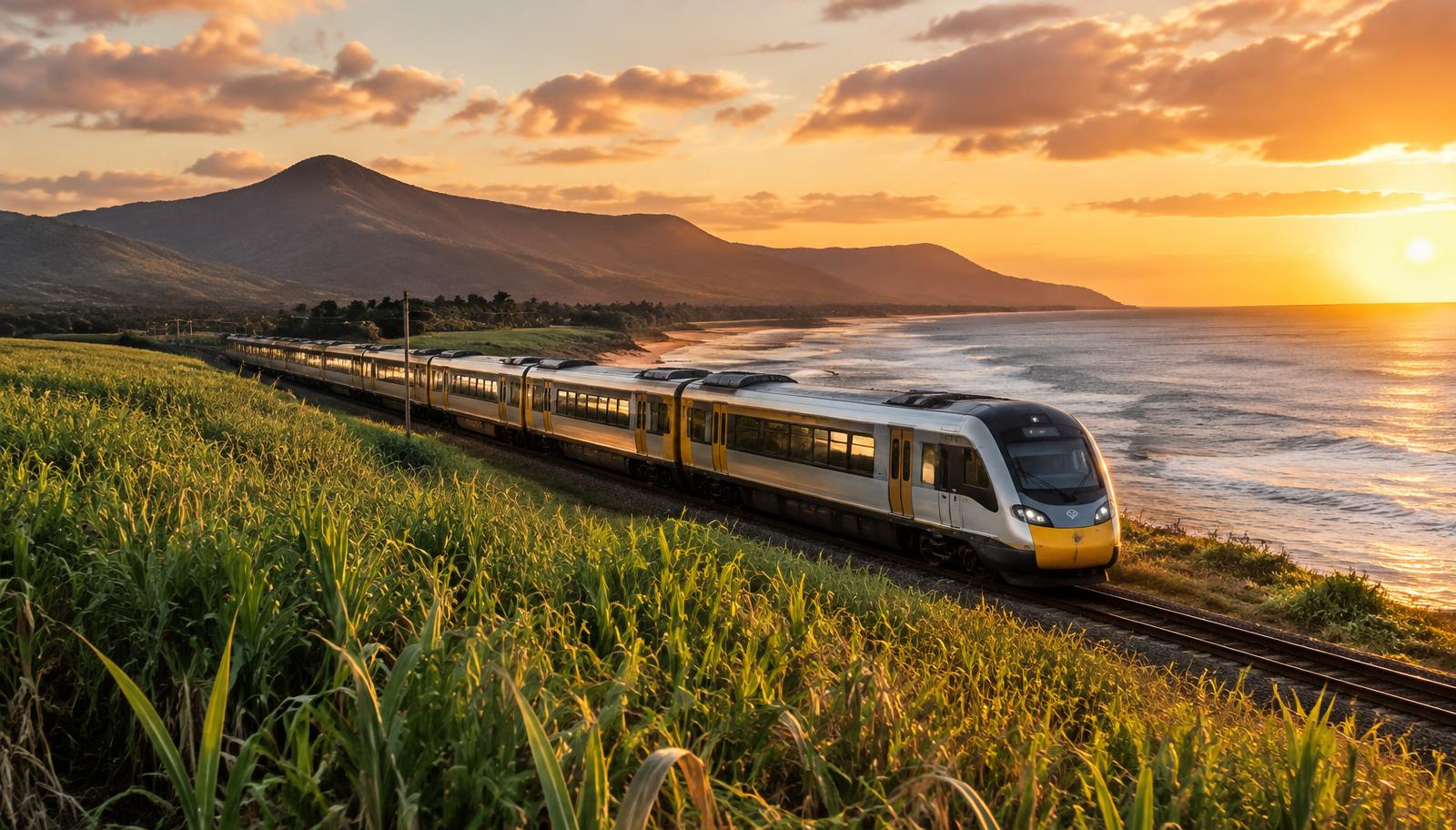
BRISBANE — North of Brisbane, the railway follows a coastline of cane fields, ranges and small sugar towns. For decades, most travellers skipped it, flying straight to Cairns or the Whitsundays. Now a growing number are choosing to ride.
Queensland Rail's long-distance services, including the Spirit of Queensland tilt train, connect Brisbane with regional centres along the coast as far as Cairns. Tilting technology allows the trains to take curves on the narrow-gauge line at higher speeds while keeping passengers comfortable, and the services offer sleeper-style seating for overnight stretches.
Why rail appeals again
Slow travel has gained momentum across the Asia-Pacific, driven partly by travellers seeking experiences rather than quick transfers and partly by interest in lower-emission options. A coastal train journey turns transport into part of the holiday. Passengers watch the landscape shift from subtropical farmland to tropical rainforest edges, with stops in towns such as Bundaberg, Rockhampton, Mackay and Townsville.
Regional tourism bodies see benefits. Rail passengers often break their trips, staying in smaller towns that miss out when visitors fly over them. Tourism and Events Queensland has promoted road and rail touring as a way to spread visitor spending beyond the major hubs.
The challenges
Long-distance rail in Australia faces familiar constraints. The coastal line is shared with freight and is vulnerable to flooding during the wet season, which can disrupt timetables. Journey times remain long compared with flying, and services run on a limited schedule rather than multiple daily departures.
There are also questions of investment. Rolling stock ages, and upgrades are costly. Advocates argue that regional rail should be valued not just on ticket revenue but on its role in connecting communities, supporting tourism and providing an alternative when roads are cut.
A journey worth the time
For many passengers, the appeal lies precisely in what flying removes: time to read, talk and watch the country pass by. As golden light falls across the cane fields near the coast, the train becomes a moving viewpoint on a part of Australia most visitors never see from the ground.
Whether coastal rail becomes a mainstream choice depends on reliability and investment. But the travellers already on board suggest there is an audience waiting.
Sources
Newsletter
Pacific Daily
A curated briefing from Thailand, Asia-Pacific and the world.