Proposed Ferry Wi-Fi Standards in British Columbia Highlight Digital Service Expectations
A promise by Lorne Doerkson's Conservatives for BC Ferries raises questions about the practical and financial implications of mandated digital access, a topic with resonance for Southeast Asia's maritime transit.
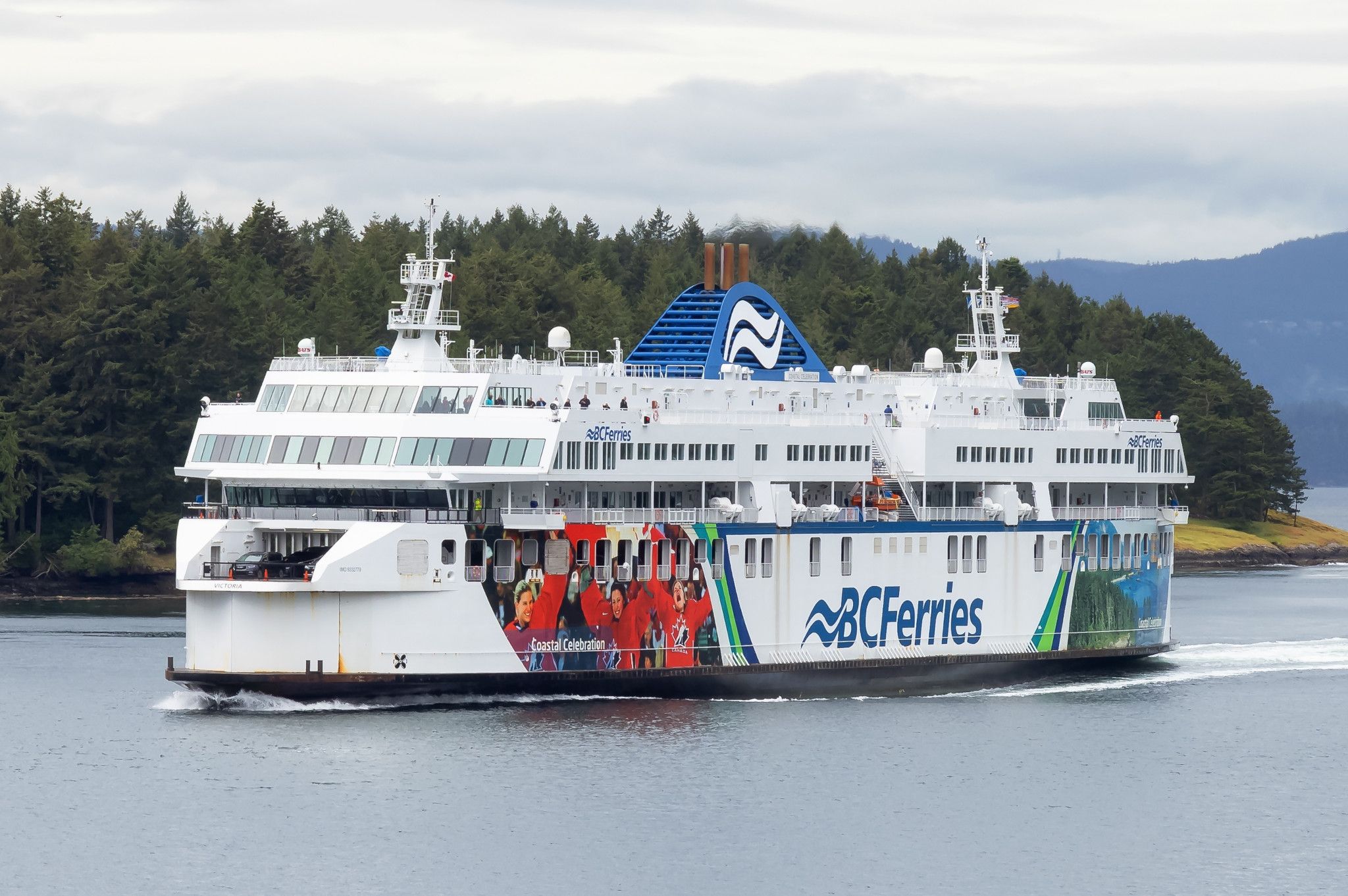
The Conservative Party of British Columbia recently announced a proposal to restore reliable high-speed Wi-Fi onboard BC Ferries’ vessels on major routes, coupled with new service standards. Conservative leader Lorne Doerkson introduced these proposals this past weekend, just two weeks before the provincial general election’s voting day on Saturday, Oct. 24. This initiative, if implemented, would involve a new BC Ferries Charter outlining expectations for consistent operation, including on-time performance, reliability, available space, affordable travel costs, and customer service.
The party states that BC Ferries’ leadership would be held responsible for meeting these expectations. The commitment to high-speed Wi-Fi is a notable detail, distinguishing itself from general service improvements. The mention of a Woman taking a legal fight to BC Ferries for USD 15,000 over a lack of Wi-Fi underscores the financial and legal dimensions attached to digital connectivity, implying that such services are no longer mere amenities but potentially essential components of a transport experience.
While the focus in British Columbia appears to be on voter appeal ahead of the provincial general election, the underlying promise of mandated digital service and specific performance metrics for a public utility raises broader questions. Implementing reliable high-speed Wi-Fi across an entire fleet operating in potentially challenging maritime environments presents significant technical and financial hurdles. The cost of such infrastructure, its maintenance, and the consistency of performance across varied routes and vessel types are considerable. These costs are ultimately borne either by the service provider, impacting operational budgets, or by the user, through increased fares, or by the taxpayer, through subsidies.
For a region like Southeast Asia, where maritime travel remains crucial for both commerce and tourism across archipelagic nations such as the Philippines, Indonesia, and Thailand, the British Columbia proposal suggests a future direction for public transport standards. The economic benefits of enhanced connectivity for passengers, enabling work or entertainment during transit, are clear. However, the investment required to bring such services to a consistent, high-speed standard across diverse ferry networks, often involving older vessels and extensive, sometimes remote, routes, would be substantial. The Conservative Party of British Columbia's proposal does not detail the projected costs of this Wi-Fi restoration, nor does it specify how performance metrics would be enforced or funded. These omissions are material when considering the feasibility of similar mandates in other contexts.
The emphasis on holding the ferry company’s leadership responsible for service standards, including digital access, establishes a precedent of accountability. The proposals are positioned in a context where David Eby's BC NDP also promises priority BC Ferries reservations for locals on two routes, indicating a competitive environment for public services. The British Columbia initiative, therefore, serves as a point of reference for how governments might attempt to define and enforce service quality, including digital provisions, within public transport systems. It highlights the tension between consumer demand for advanced services, the technical complexities of delivery, and the financial implications that must be resolved. The question of who pays for this upgraded connectivity remains central, particularly for developing maritime economies that might consider similar digital mandates.
Sources
Newsletter
Pacific Daily
A curated briefing from Thailand, Asia-Pacific and the world.