A Grocery Aisle Signage Error Exposes a Broader Consumer Disconnect
The ‘envelope gravy’ confusion, originating in a Canadian supermarket, illustrates how even minor linguistic missteps can reveal significant gaps in consumer understanding and brand communication, particularly in diverse retail environments.
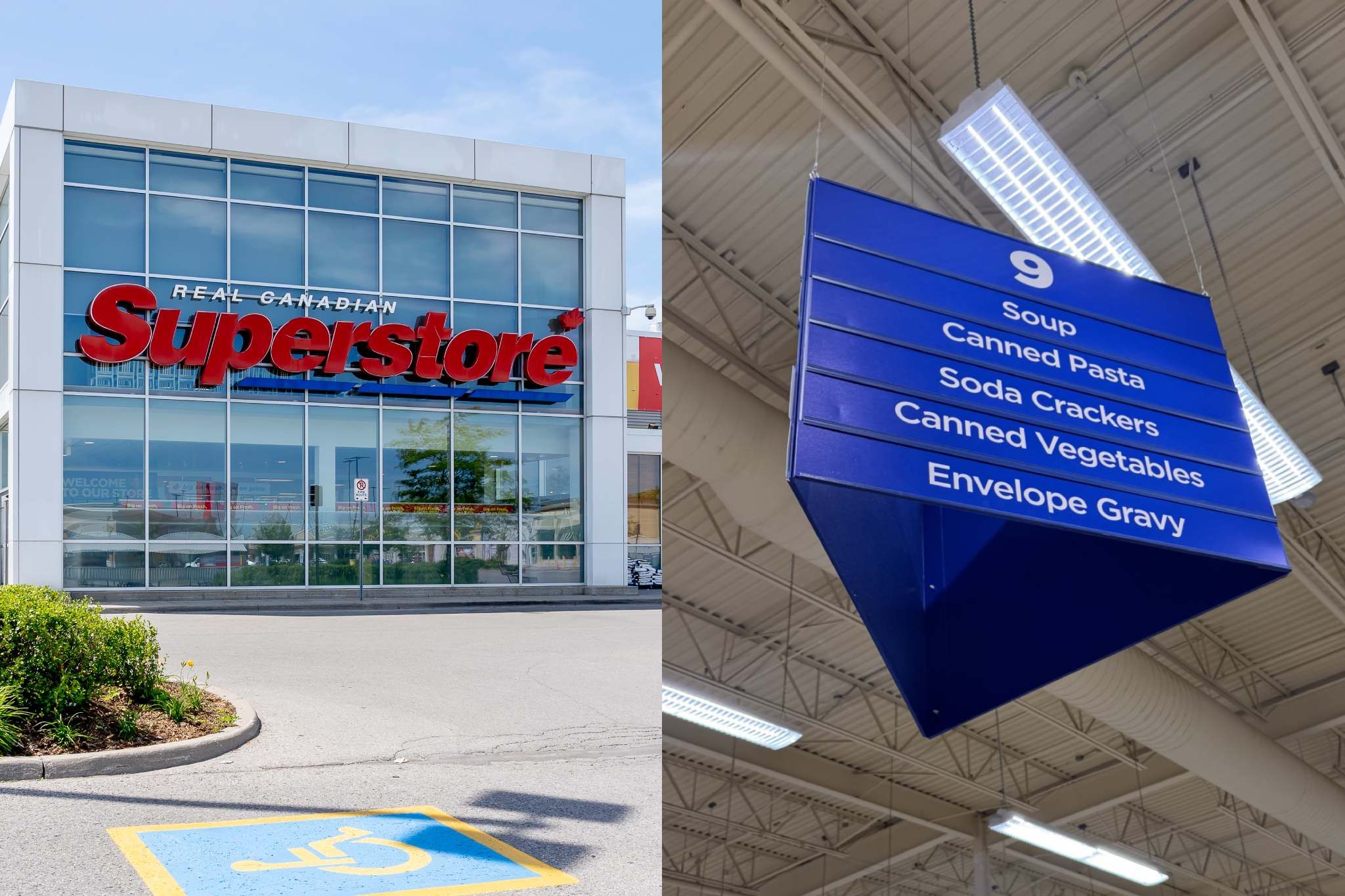
A photograph showing 'envelope gravy' on an aisle sign in a Real Canadian Superstore in Toronto, widely shared by comedian Sarah Millican to her 1.8 million followers on X, immediately presents a tension in retail communication. Millican's query, following a record of the sign listing 'envelope gravy' alongside ‘cake mixes’ and ‘rice crackers,’ drew attention to a term unknown outside a specific product format. The company’s intent was likely to categorize a specific type of gravy mix, yet the outcome was confusion for international observers and local shoppers alike.
This incident, though geographically distant, resonates with challenges facing retail and luxury markets in Thailand and the broader Asia-Pacific region. As consumer bases diversify and international travel increases, precision in communication becomes paramount. The region is characterized by a complex interplay of local dialects, cultural nuances, and varying levels of English proficiency. A seemingly innocuous labeling choice, like ‘envelope gravy,’ becomes a case study in misinterpretation when not attuned to the immediate audience.
The core issue is not the product itself but the semantic opacity. Retailers operate on assumed categories and common parlance. For a segment of the Canadian market, ‘envelope gravy’ may be shorthand for powdered gravy mixes sold in pouches or envelopes. Yet, for others, including tourists and perhaps even some domestic consumers, the term is alien. This divergence underscores a frequent oversight in brand strategy: the assumption of universal understanding for localized terms or product descriptions.
In markets such as Thailand, where luxury brands and international retailers frequently adapt global offerings, similar linguistic or cultural misjudgments can undermine marketing efforts. Whether it involves translating product names, describing usage, or categorizing items in a store, the risk of alienating or confusing consumers is present. For luxury brands, which trade on the clarity of their offering and unambiguous messaging, such missteps can dilute perceived value and brand prestige. A brand’s claim of offering a distinct experience can be inadvertently contradicted by even minor communication failures. The underlying numbers, like sales figures or consumer engagement metrics, might not immediately reflect these subtle disconnects, allowing them to persist. The challenge for brands is to ensure that their communication, from aisle signs to global campaigns, is not merely accurate but also universally intelligible to their target demographics within their diverse markets, a constraint that remains largely unresolved.
Sources
Newsletter
Pacific Daily
A curated briefing from Thailand, Asia-Pacific and the world.