Phuket's Green Horizon: Eco-Conscious Co-Living Redefines Expat Family Life
Amidst the island's rising popularity, a new breed of sustainable community offers a unique blend of global living and local responsibility.
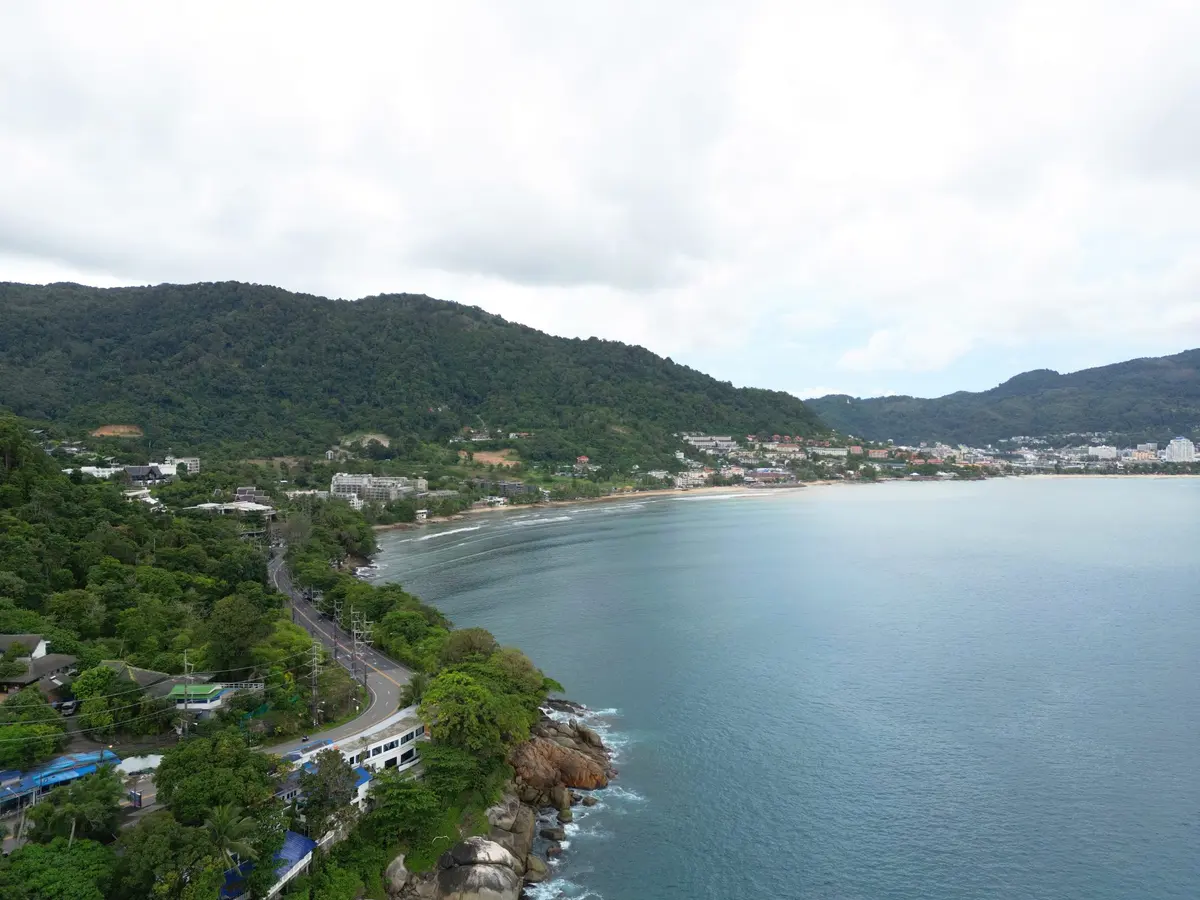
PHUKET
PHUKET, Thailand — The emerald waters and pristine beaches of Phuket have long been a magnet for expats, but beneath the surface of infinity pools and luxury villas, a subtle yet profound shift is taking place. Forget the isolated, transient bubbles of yesteryear; today’s expat families are seeking community, connection, and a conscience, driving the rise of eco-conscious co-living spaces designed not just for comfort, but for planetary good. As a correspondent on Pacific Press's expat-life desk, I've seen countless models across Asia, but Phuket is cultivating something truly distinct.
My journey takes me inland, away from the bustling tourist strips of Patong, to a quiet pocket near the Khao Phra Thaeo National Park. Here, nestled amongst rubber plantations and lush jungle, is the nascent ‘Phuket Green Living Hub’ – a development that feels less like a commercial venture and more like a carefully nurtured ecosystem. From the moment I stepped onto its meticulously laid gravel paths, I sensed a different rhythm. The air, crisp and humid, carried the scent of fresh earth and blooming frangipani, a stark contrast to the diesel fumes often found closer to the coast.
Helmed by its visionary founder, David Chen, a former tech executive from Singapore who swapped skyscrapers for sustainable living, the Hub is still in its early phases. "We're not just building homes; we're cultivating a lifestyle," Chen told me, gesturing towards a row of bamboo-clad bungalows. "Our residents aren't just buying property; they're investing in a shared future." He isn't wrong. Currently, 15 families – a mosaic of nationalities including German, Australian, Canadian, and Japanese – call the Hub home, with another 20 units under construction, expected to be fully occupied by late 2025. This isn't a small-scale experiment; it's a burgeoning movement.
A Tapestry of Sustainable Practices
What truly sets the Phuket Green Living Hub apart is its unwavering commitment to sustainable practices, woven into the very fabric of daily life. The architecture itself is a testament to this ethos. I observed homes constructed primarily from reclaimed wood and locally sourced bamboo, designed with passive ventilation to minimise reliance on air conditioning – a significant energy drain in this tropical climate. Each residence features rooftop solar panels, providing 80% of its energy needs, a number verified by the community's digital monitoring system. Water scarcity, a perennial concern for island nations, is addressed through an advanced rainwater harvesting system and an on-site wastewater treatment plant that irrigates the Hub's extensive organic gardens. These gardens, I was told, supply over 60% of the community's produce, reducing their carbon footprint significantly.
The communal spirit here is palpable. I joined a morning workshop where residents, both adults and children, were learning to compost kitchen waste, transforming what would be landfill into rich soil for their collective farm. Later, during a shared lunch of freshly harvested vegetables and locally caught fish, conversations ranged from homeschooling strategies to zero-waste cooking tips. It's a far cry from the more detached expat enclaves where interactions can often be superficial. Here, childcare is often shared, skills are exchanged, and a robust car-pooling system reduces individual vehicle use by an estimated 70%.
Beyond Greenwashing: Real Impact
While some publications have skeptically framed 'eco-luxury' as mere greenwashing, the Phuket Green Living Hub actively counters such cynicism with tangible results. This isn’t about marketing; it’s about measurable impact. Their waste diversion rate, for instance, stands at an impressive 85%, far exceeding the island average. Children attend a small, on-site international school that integrates environmental education directly into its curriculum, with lessons often held amidst the gardens or forest trails. The focus isn't just on reducing their footprint but on actively fostering a deeper connection to nature and a sense of responsibility in the next generation.
"We're not just living alongside nature; we're learning from it, and becoming stewards of it," explained Sarah Jenkins, a resident from Australia, as her daughter tended to a row of budding tomatoes.
The Hub is not without its challenges. The initial investment for residents is higher than traditional expat rentals, a barrier for some. Yet, the long-term savings on utilities, food, and a sense of purpose seem to outweigh the upfront costs for many. As I departed, leaving behind the verdant canopy and the cheerful sounds of children playing, it was clear that Phuket Green Living Hub represents more than just a place to live. It's a blueprint for a more mindful, integrated, and truly sustainable expat life in Asia, demonstrating that even in paradise, it's possible to live lightly on the earth.
Newsletter
Pacific Daily
A curated briefing from Thailand, Asia-Pacific and the world.