Neighbourhoods as Technique: The 'Coolest' Ranking and Asia's Culinary Strategy
Vancouver's Mount Pleasant provides a lesson in what makes a dining destination, and what it costs to sustain.
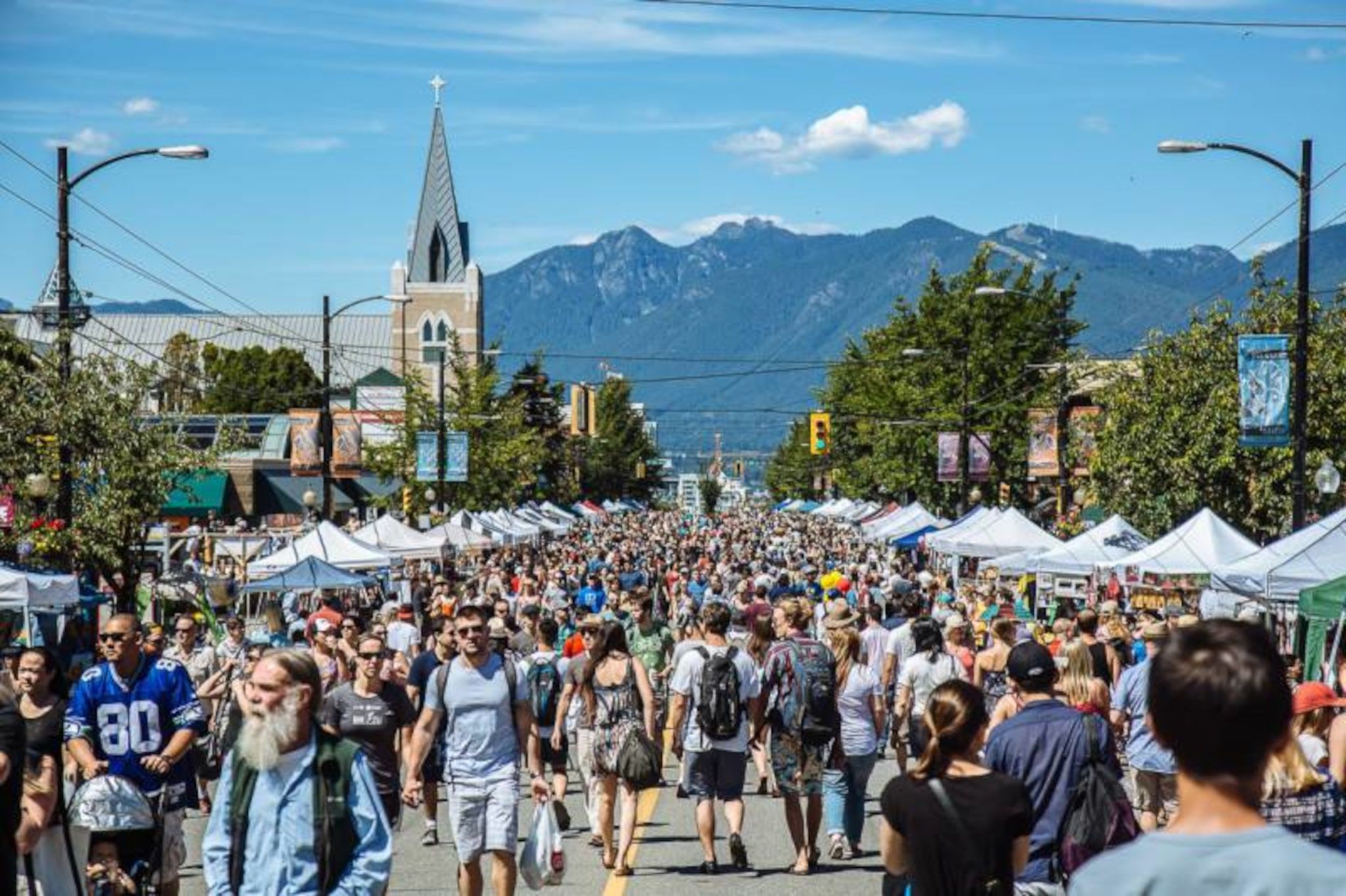
The designation of Vancouver's historic Mount Pleasant as one of the 'coolest neighbourhoods worldwide' by hospitality media group Time Out offers a precise observation on how dining destinations are constructed and recognized. This ranking, reported by Daily Hive Vancouver on September 16, 2026, rests on a specific technique: the cultivation of 'mini-villages' where local interactions and independent businesses define the experience. Time Out’s definition emphasizes the barista knowing an order, the thriving of local restaurants, bars, and indie businesses, and community banding together for activities like art walks, day festivals, and creating greener, pedestrian-friendly spaces.
This framework highlights an underlying economic and cultural engine. The success is attributed to a dense network of small-scale enterprises and local engagement, rather than large, branded operations. For Thailand and the broader Asia-Pacific region, this presents a tension. While the region has diverse culinary landscapes and vibrant street food traditions, the deliberate cultivation of 'coolness' through a specific neighbourhood model implies a different sort of investment and management. The emphasis on locally known baristas and indie businesses suggests a slower, more organic growth, often juxtaposed against the rapid development and international branding prevalent in many Asian urban centers.
The implied cost of sustaining such an environment involves more than just commercial rents. It necessitates community participation in urban planning, support for independent ventures, and a level of consumer preference for the local over the global. Consider the meticulous effort required to maintain this ethos, especially in a city like Vancouver, which has seen its share of international attention, from a coin found on Vancouver Island beach potentially rewriting Canadian history in 2014, to numerous Forbes articles celebrating the Fairmont Pacific Rim’s luxury offerings between 2018 and 2025. These are markers of global appeal, yet the 'coolest neighbourhood' designation points to an internal, community-driven dynamic.
For many Asian cities, the challenge lies in balancing economic expansion, which often favors larger chains and international brands, with the preservation and nurturing of these 'mini-village' characteristics. An authentic 'local' experience, as defined by Time Out, may clash with the pressures of urbanisation and the pursuit of efficiency. The technique of fostering cool neighbourhoods, therefore, is less about grand architectural statements and more about granular, consistent support for independent enterprise and local identity. The question remains whether the region's dynamic culinary scenes can adopt this specific type of community-centric technique, or if a different model of 'cool' will emerge from its own unique cultural and economic realities.
Sources
Newsletter
Pacific Daily
A curated briefing from Thailand, Asia-Pacific and the world.