Small Thefts, Shared Spaces, and the Erosion of Trust
An incident in Vancouver highlights the quiet shift in civic expectation, resonating with a broader anxiety over shared responsibility in urban life.
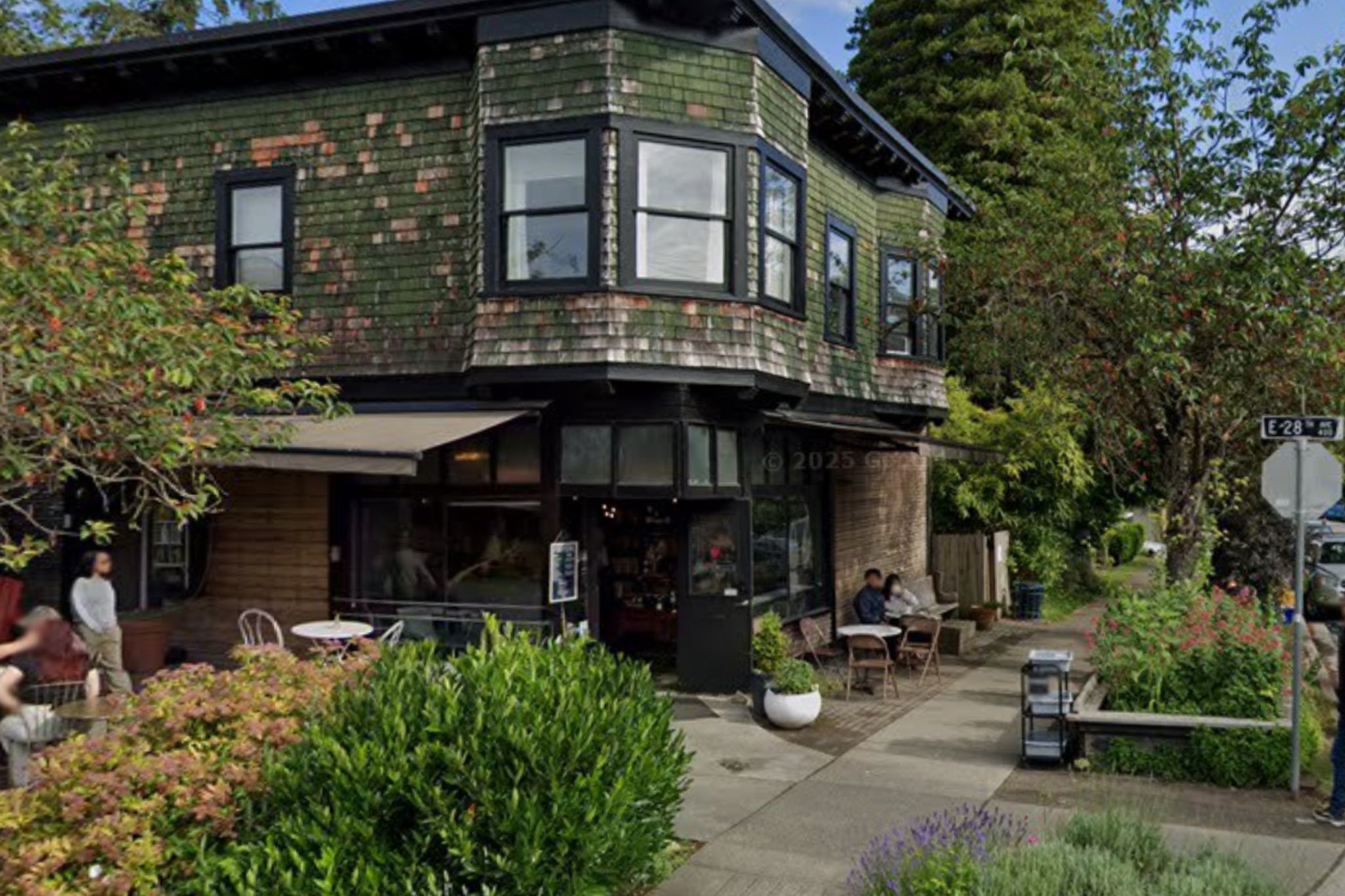
The theft of an outdoor table from Le Marché St. George, a cafe in East Vancouver, on Truth and Reconciliation Day, registers not merely as a minor larceny but as a disturbance in the unspoken agreement that underpins urban existence. While the cafe was closed, an item meant for shared use vanished, prompting its owners to ask for its return via an Instagram post.
Such an act, particularly targeting a small business, challenges a civic understanding that has long presumed a baseline of respect for communal and commercial property. Le Marché St. George framed the act as "Stealing from a small business is like stealing from an individual. We go out of our way to source things from this space so everyone can enjoy it." This statement captures the personal affront felt when a collective good is appropriated. The cafe's subsequent, somewhat resigned, suggestion of "B.Y.O.T." — Bring Your Own Table — if customers needed one, underscores a reluctant adaptation to this breach of trust.
Across Asia-Pacific cities, similar dynamics play out, albeit often with different manifestations. In Bangkok, for instance, the tradition of street food stalls and small shopfronts relies heavily on a tacit understanding of mutual respect for shared public space. Small items, left unattended, are generally expected to remain undisturbed. This social compact is not merely about preventing crime; it is about facilitating a certain quality of urban life, where transactions are smoother, interactions more fluid, and the daily rhythm less fraught with suspicion. When items like a cafe table are taken, it chips away at this foundational expectation, forcing businesses and communities to reconsider how they manage shared amenities.
The response from the Vancouver community, as reported by Daily Hive Vancouver on October 1, 2026, indicated widespread bewilderment, with "many wondering why someone would do such a thing." This reaction points to the disruption of established norms. The incident, while geographically specific, speaks to a larger cultural anxiety: the quiet replacement of communal responsibility with a more individualistic, and at times opportunistic, approach to shared resources. The questions raised by such an act extend beyond the material loss, touching upon the unwritten rules that allow public and semi-public spaces to function for the benefit of all.
It prompts reflection on what is preserved in urban environments where collective trust is strong, and what is quietly replaced when that trust erodes. The cafe table, a simple furnishing, becomes a barometer for the health of these subtle social contracts. Its disappearance, and the community's reaction, illuminate the vulnerability of shared spaces to individual transgressions, and the societal cost when such small acts ripple through the fabric of daily life.
Sources
Newsletter
Pacific Daily
A curated briefing from Thailand, Asia-Pacific and the world.