Navigating Troubled Waters: Climate Change Reroutes Global Yachting
From melting ice caps to stronger storms, the world's premier sailing routes are undergoing profound shifts, compelling yacht clubs and mariners to adapt or face oblivion.
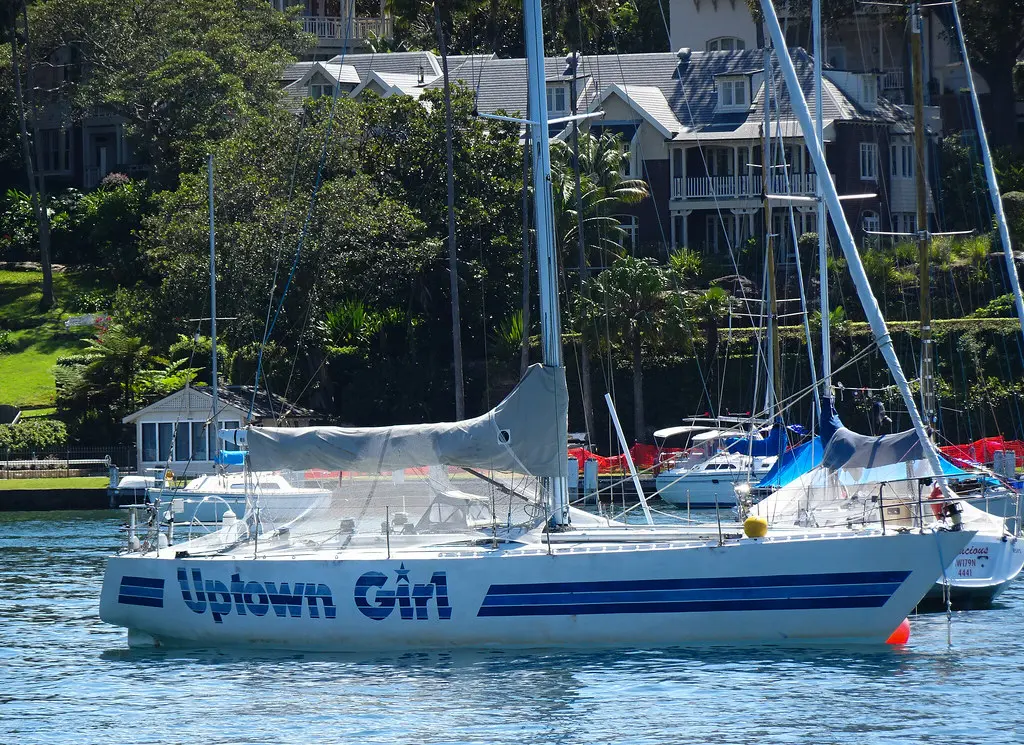
The azure playgrounds of the world’s elite sailing fraternity are changing, and not for the better. As a marine correspondent at Pacific Press, I've spent decades charting the ebb and flow of global yachting, but the currents of climate change now present an unprecedented challenge, reshaping popular routes and demanding radical adaptation from the institutions that underpin this venerable sport.
Historically, the allure of sailing has been predicated on predictable weather patterns, established trade winds, and reliable coastal infrastructure. Today, that predictability is a relic of the past. The Caribbean, a perennial favorite for winter cruising, now grapples with an extended and intensified hurricane season. Insurance premiums have skyrocketed, and once-bustling anchorages in places like the British Virgin Islands, still bearing scars from Irma and Maria, are approached with a newfound trepidation. Mariners planning transatlantic passages, once a relatively straightforward endeavor leveraging the North Atlantic's circulatory system, must now contend with an increasingly volatile ocean, where extreme low-pressure systems form rapidly and with ferocious intensity, making traditional weather routing models less dependable. The once-clear demarcation of 'hurricane-free' seasons is blurring, forcing a re-evaluation of cruising calendars and risk assessments.
Further north, the Arctic, once an inaccessible frontier for all but the most intrepid, is witnessing a dramatic reduction in sea ice. While this has opened new, albeit ephemeral, Northwest Passage routes, it introduces an entirely different set of environmental and logistical hurdles. The allure of charting new territory is tempered by the stark reality of navigating increasingly unstable ice floes, unmapped shoals, and the complete absence of rescue infrastructure. Yacht clubs like the Royal Vancouver Yacht Club are now seeing members attempt these passages, but with a heightened emphasis on self-sufficiency and expedition-grade equipment, pushing the boundaries of what constitutes 'recreational' sailing.
"The conversation around climate change in yachting isn't just about preserving coral reefs for beautiful dive sites; it's about the fundamental safety and viability of our entire sport and industry."
Southeast Asia, with its intricate archipelagos and monsoon-driven seasons, is experiencing more erratic and powerful monsoon shifts, leading to unexpected squalls and changes in prevailing wind directions. The meticulously planned itineraries of charter fleets and private yachts are frequently disrupted, impacting local tourism economies reliant on predictable seasonal influxes. Similarly, in the Mediterranean, rising sea levels are threatening low-lying coastal facilities, while increased marine heatwaves contribute to biodiversity loss, diminishing the underwater spectacle that attracts many cruisers.
The response from the yachting community, while varied, points towards a collective awakening. Leading the charge are yacht clubs, traditionally bastions of tradition, now evolving into hubs of climate adaptation. Many are investing heavily in resilient infrastructure. We're seeing floating docks designed to withstand higher storm surges, shore power facilities upgraded to reduce reliance on generators, and even integrated solar and wind energy solutions for clubhouses and maintenance facilities. The Royal Hong Kong Yacht Club, for instance, has undertaken significant re-engineering of its breakwaters and pontoons, anticipating increased typhoon intensity.
Education is another critical pillar. Yacht clubs are increasingly offering workshops on advanced storm preparedness, satellite communications for remote areas, and even polar navigation courses for those eyeing the High Latitudes. The Cruising Club of America actively disseminates updated information on changing weather patterns and safe harbor alternatives. There's a growing emphasis on citizen science, too, with members encouraged to report oceanographic data, contributing to a broader understanding of marine shifts.
Furthermore, the movement towards sustainable yachting is gaining traction. While not directly a climate adaptation strategy for routes, the embrace of electric propulsion, reduced plastic consumption, and responsible waste management within clubs and by members is a recognition of the broader environmental crisis. This internal shift, driven by a younger generation of sailors, is slowly permeating the industry, influencing yacht design and operational practices.
The challenges are immense, and the pace of change accelerating. Yet, the yachting community, known for its resilience and spirit of adventure, is demonstrating a commendable capacity for adaptation. It's no longer just about enjoying the sea; it's about understanding its changing temperament and actively working to ensure its future, and our ability to sail upon it.
Newsletter
Pacific Daily
A curated briefing from Thailand, Asia-Pacific and the world.