Myanmar Restarts Domestic Refining Into an Economic Impasse
Bringing processing capacity back onstream addresses balance of payments pressures while structural poverty and isolation remain intact
SINGAPORE
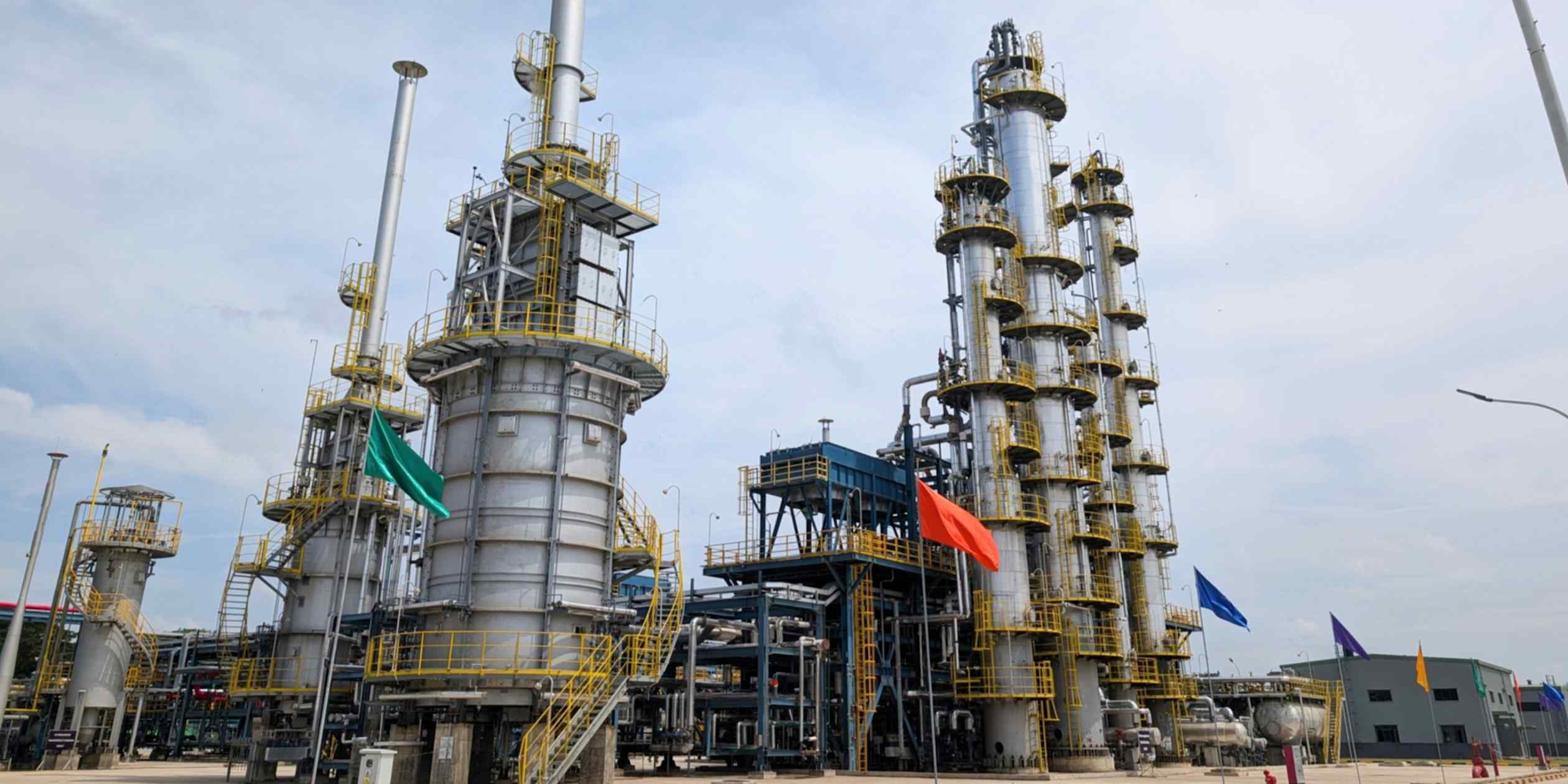
Nikkei Asia reports that an oil refinery in Myanmar has come back onstream to cut reliance on fuel imports. Bringing processing units back into service represents an immediate defensive manoeuvre to preserve foreign exchange. In an economy operating under severe liquidity stress, the restart serves as a clear signal of fiscal retrenchment rather than commercial expansion. State planners are reacting to an acute balance of payments problem by attempting to close the gap between external energy liabilities and dwindling hard currency reserves.
The operating economics of imported fuel explain the timing. When central bank reserves contract, procuring refined petroleum on open overseas spot markets exposes state coffers to relentless cash depletion. Diesel and petrol are non-negotiable inputs for basic state functions and power generation. Importing finished products requires continuous foreign currency payments to international traders and shippers. By shifting the workload back to domestic distillation towers, authorities seek to internalise the refining margin and retain liquid capital inside national borders. This substitution curtails the immediate outflow of dollars, creating breathing room for fiscal managers managing restricted trade balances.
Yet balance sheet relief at the import terminal does not resolve the physical friction of running industrial facilities under sanction regimes.
Refining crude oil requires continuous access to capital maintenance, specialized catalysts, mechanical replacement parts, and technical precision. Decades of industrial experience demonstrate that downstream facilities cannot operate smoothly in complete isolation from international engineering networks. Domestic operators must secure a steady stream of crude feedstock and maintain cracking units without seamless access to original equipment manufacturers. When machinery breaks down or critical valves degrade, procurement delays compound operational downtime. Industrial mandates can decree that a facility restart, but engineering reality dictates that keeping it online demands an uninterrupted supply chain that restricted trade channels actively hinder.
Internal logistics present an equally stubborn hurdle. Processing crude at a domestic site produces bulk fuels that must still navigate fractured domestic transit corridors. Regional conflict across transport networks creates severe bottlenecks for moving diesel and gasoline from refinery storage tanks to retail depots, industrial zones, and rural distribution hubs. Operating a processing complex fails to generate commercial momentum if domestic distribution corridors remain contested or impassable. Transport operators, merchant fleets, and regional traders face physical risks and logistics checkpoints that mechanical production figures cannot offset.
The Limits of State Substitution
Even if physical distribution holds, the domestic demand base has eroded significantly. A United Nations Development Programme assessment established that two in three people in Myanmar are poor or one shock away from falling into poverty. Such pervasive economic vulnerability severely compresses domestic retail energy markets. Collapsing household purchasing power forces commercial transit to slow, private vehicle usage to drop, and small enterprises to curb operating hours to limit fuel expenses. Under these demand conditions, locally produced petrol and diesel will primarily supply administrative operations and armed formations rather than stimulating broader commercial renewal.
Substituting refined imports with domestic processing preserves cash reserves but cannot repair damaged domestic trade networks.
External diplomatic shifts further complicate the commercial environment. Reuters reported that the United States opened direct talks with Myanmar's generals, reversing years of diplomatic isolation. Soon after, The Japan Times reported that the United States lifted sanctions on the daughter of a military-linked businessman. These diplomatic shifts indicate tentative engagement, but they fall well short of a wholesale reintegration into global commerce. Major international oil traders and corporate energy contractors remain exceptionally cautious, aware of legal compliance traps and reputational exposure underscored by United Nations alarm over reports that an air strike killed 50 people.
Bringing refining capacity back onstream ultimately addresses a symptom rather than the structural disease. Conserving foreign currency through domestic import substitution delivers temporary balance of payments insulation. Industrial durability, however, cannot survive on state mandates alone within a contracting consumer economy. Lasting viability depends on whether domestic security stabilizes and household solvency recovers enough to convert refined fuel into genuine economic velocity.
Sources
Newsletter
Pacific Daily
A curated briefing from Thailand, Asia-Pacific and the world.