Michelin's Expanded Scope Tests the Boundaries of Taste Arbitration
The Michelin Guide’s venture into wine ratings, beyond its established restaurant and hotel assessments, suggests a brand transformation that prompts inquiry into its fundamental identity and regional resonance.
SINGAPORE
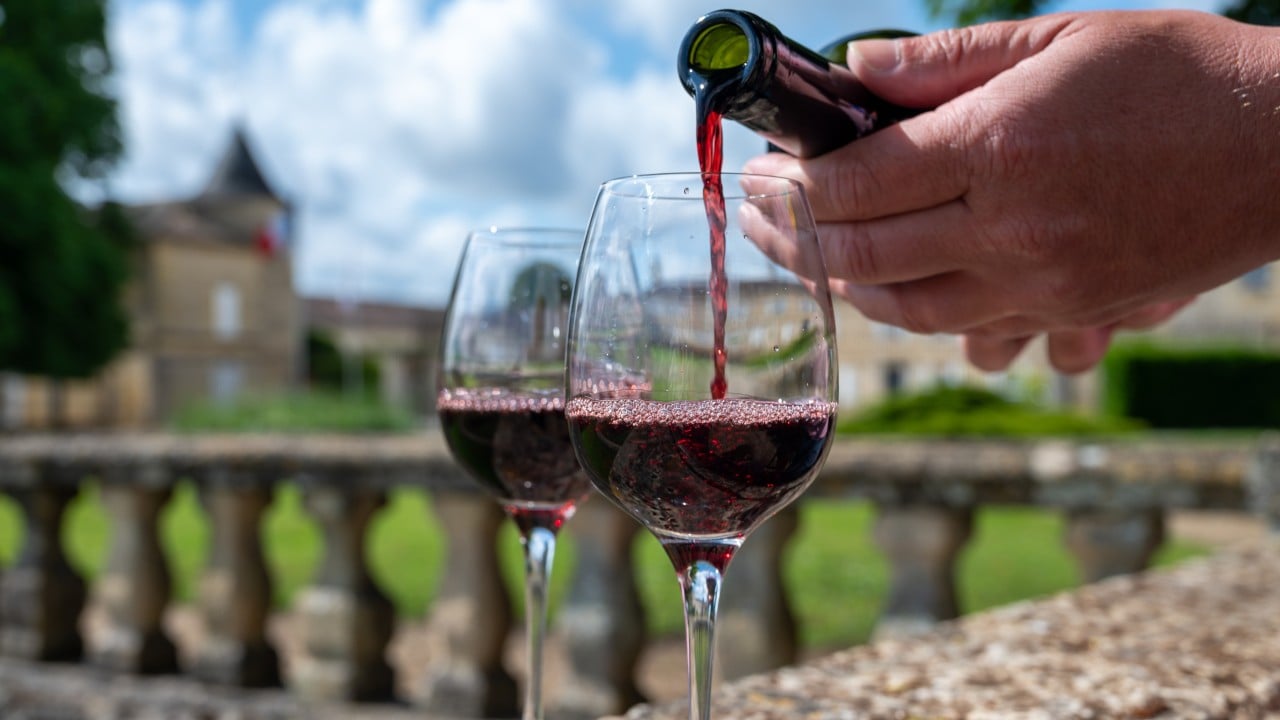
The Michelin Guide’s decision to broaden its assessments to include vineyards, in addition to its long-standing restaurant and hotel categories, marks a tangible shift in its operational focus. This development, reported by SCMP Lifestyle on October 8, 2026, implies an exploration of new avenues for brand influence. For generations, Michelin has been synonymous with culinary discernment; its stars possess the power to elevate a chef’s standing or define a restaurant’s trajectory. The integration of wine gradings into this framework suggests a wider ambition, venturing deeper into the realm of lifestyle curation.
Historically, the Guide’s presence in Asia has been noteworthy, drawing international attention to local culinary traditions. The Philippine Michelin Guide, for instance, spurred interest in the country's cuisine, as reported by Nikkei Asia in 2026. This demonstrates the Guide's capacity to shape public perception and influence tourism. Yet, this expansion into wine could inadvertently dilute the very focus that has underpinned its authority. The original intent, to assist motorists with their travels, evolved into highlighting establishments worthy of a special journey. This singular dedication cultivated a reputation for precise discernment in gastronomy.
The critical challenge for Michelin, particularly across the Asia-Pacific region, rests on its ability to maintain perceived rigor across an increasingly diverse set of categories. While the Guide’s established criteria for restaurants are widely understood, the standards required for evaluating vineyards and wines are distinct, demanding specialized expertise. The question arises whether the public and the industry will grant the same weight and credibility to these new wine ratings as they do to the long-standing restaurant stars. Andrew Sun, a writer for SCMP Lifestyle, voiced skepticism about this expansion on October 8, 2026, suggesting it might diminish the brand’s distinctiveness.
Countries such as Australia, which as of January 2026 had no Michelin-starred restaurants, illustrate the varied global penetration and influence of the Guide. Its impact is not uniform. The foray into wine may therefore encounter similar regional specificities and require adapting to differing local expertise. For a brand built on a foundation of authority and specificity, extending its reach across too many categories risks its role as an arbiter of taste, becoming instead a more generalized lifestyle commentator. The pursuit of broader appeal might, in effect, erode the precise discernment that once defined its character.
Sources
Newsletter
Pacific Daily
A curated briefing from Thailand, Asia-Pacific and the world.