Melting Pots and Palates: The Fusion Revolution in Singapore and Malaysia
Beyond their colonial pasts, these culinary titans are forging new identities through a vibrant symphony of flavors.
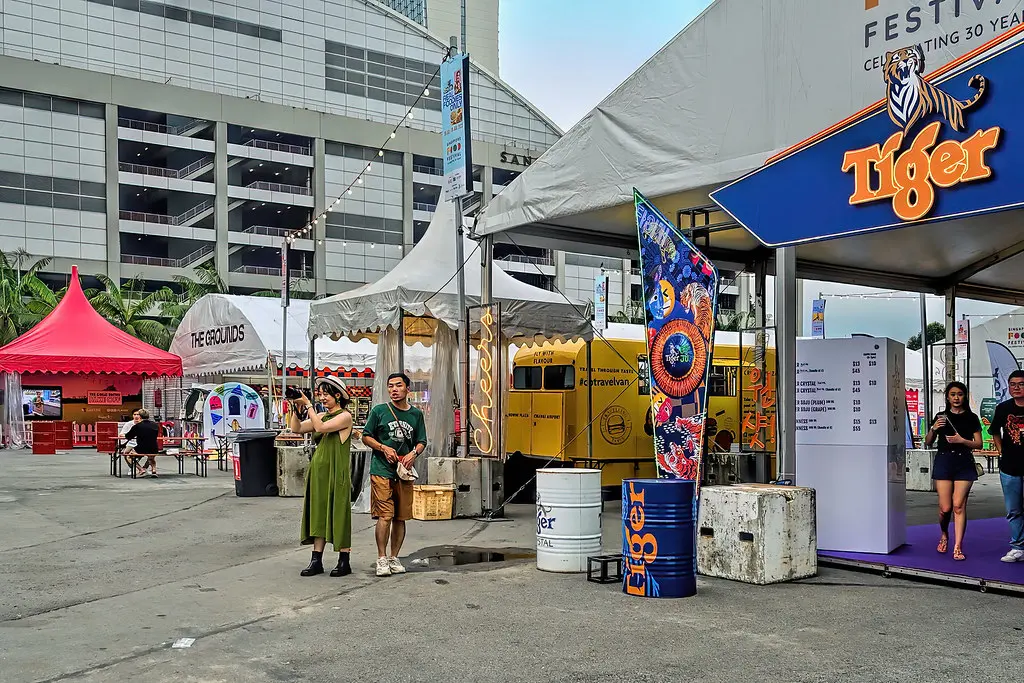
SINGAPORE
Singapore and Malaysia, often viewed through the lens of their historical ties and shared cultural heritage, have emerged as distinct culinary powerhouses, each carving out a unique niche in the global fusion landscape. While both nations boast an incredible tapestry of Chinese, Malay, Indian, and indigenous influences, their contemporary approaches to food fusion reveal a dynamic evolution, moving beyond traditional Peranakan or Mamak fare to innovative, boundary-pushing expressions.
In Singapore, the fusion scene is characterized by its meticulous artistry and cosmopolitan sophistication. Chefs here often draw inspiration from a global pantry, meticulously blending disparate elements with precision. Consider the ubiquitous chilli crab, a dish born from local ingenuity, now frequently reinterpreted with European or Japanese techniques – think chilli crab pasta or even chilli crab bao. This isn't merely about adding a foreign ingredient; it's about re-engineering the textural and flavor profile while retaining the dish’s soul. Restaurants like Candlenut, the world’s first Michelin-starred Peranakan restaurant, exemplify this, elevating heritage cuisine with modern plating and refined techniques, effectively introducing the intricate nuances of Nyonya cooking to a broader, more appreciative audience without sacrificing authenticity. The city-state’s culinary landscape is a testament to its status as a global hub, where diverse ideas freely intermingle, yielding ambitious and often brilliant gastronomic outcomes.
Malaysia, while sharing a similar foundational diversity, approaches fusion with a more earthy, often fiercely local, yet equally inventive spirit. Its sprawling geography and rich regional variations mean that fusion often occurs organically, street-side, long before it reaches fine dining establishments. Penang’s Nyonya cuisine, for instance, has always been a masterful blend, but now, younger chefs are pushing boundaries with ingredients like buah keluak (black nut) appearing in unexpected forms, or modernizing traditional kuih with contemporary fillings and presentations. Kuala Lumpur, as the nation's capital, sees a more international influence, but often filtered through a distinctly Malaysian lens. Hawker culture, a cornerstone of Malaysian identity, is itself a perpetual state of fusion – a plate of Indomie goreng often arrives with a perfectly executed, albeit unlikely, sunny-side-up egg and a dollop of sambal from a different ethnic tradition. This seamless blending, often without formal designation, speaks volumes about the intrinsic multiculturalism that defines Malaysian food.
"The true brilliance of Singaporean and Malaysian fusion lies not in simply mixing ingredients, but in the respectful reinterpretation of tradition, creating dialogues between cultures on a plate."
What truly distinguishes these two nations is their ability to continually innovate without losing sight of their roots. In Singapore, the push towards fine dining fusion often leverages its status as a culinary laboratory, attracting top talent and capital to experiment. The result is often high-concept, boundary-pushing cuisine that garners international acclaim. Malaysia, conversely, often showcases a more organic, ground-up fusion, where multiculturalism is so ingrained that new combinations arise naturally from daily life and entrepreneurial spirit, particularly in its vibrant street food and café scenes.
Ultimately, the fusion scenes in Singapore and Malaysia are more than just a trend; they are living testaments to cultural exchange. They represent a dynamic evolution of identity, where food becomes a delicious dialogue, constantly negotiating tradition with innovation. The palate of the Asia-Pacific region is richer for their relentless pursuit of flavor and their daring embrace of culinary convergence.
Newsletter
Pacific Daily
A curated briefing from Thailand, Asia-Pacific and the world.