A Cockroach, a Curry, and the Fabric of Trust in Cross-Border Economies
The incident in Johor Bahru, involving an actor's meal and a visible pest, exposes an underlying tension in how reputations are built and perceived between nations.
SINGAPORE
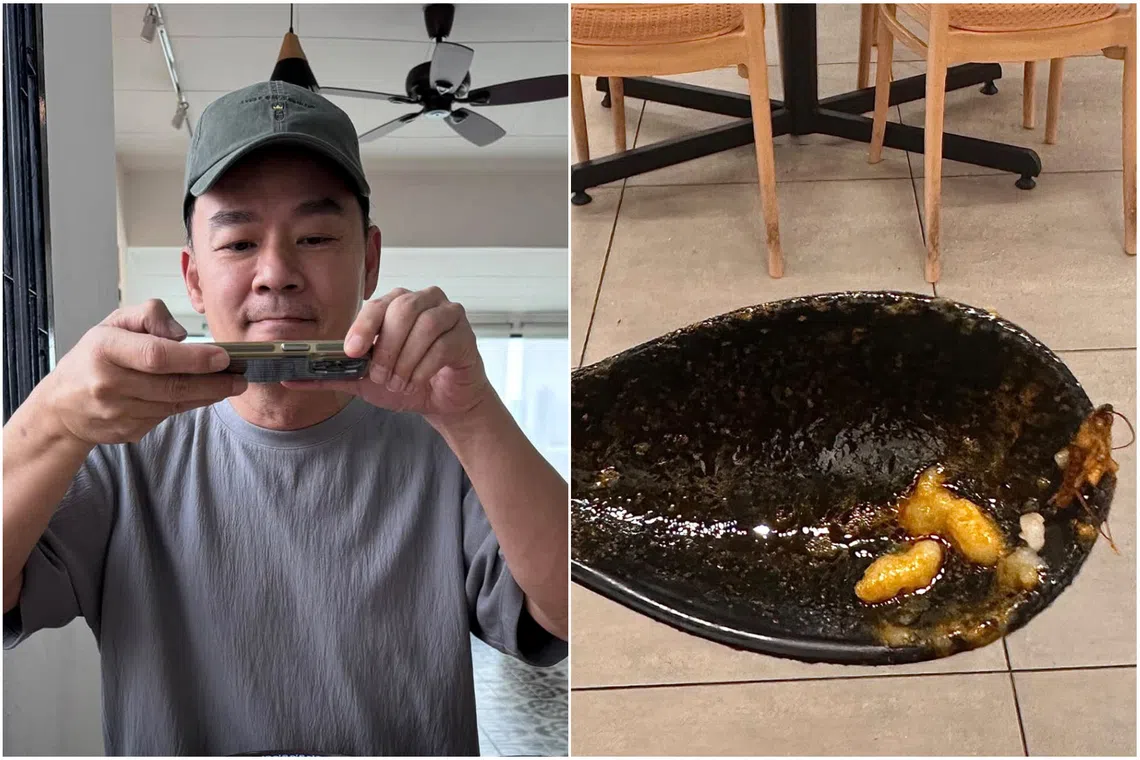
The image of a dead cockroach, found in a bowl of curry yong tau foo in Johor Bahru, caused sufficient unease for a Singaporean actor, Thomas Ong, to publicly disclose his subsequent week-long vigilance over his meals. While the immediate reaction was personal — Ong checking every bowl of noodle soup carefully before eating — the episode reveals a wider pattern of expectation and anxiety surrounding cross-border experiences, particularly between Singapore and Malaysia.
The restaurant in question waived the bill for the specific bowl, a transactional response to a problem. However, the ripple effect on a customer's perception, as described by Ong, highlights a more complex cultural dynamic. It is not merely about a single unsanitary incident, but about how such occurrences reinforce or challenge existing narratives about quality and trustworthiness across a border that is, by design, becoming increasingly permeable.
Johor Bahru is being presented as a nexus for economic integration, with Singapore and Malaysia aiming to crack an economic integration strategy through a special zone. This includes efforts to attract international interest to luxurious developments and the conversion of properties into high-end hotels, such as the Thistle Johor Bahru becoming a JW Marriott by December 2026. These initiatives are built on the premise of reliability and a certain standard of experience.
The cultural signals here are mixed. On one hand, there is the stated ambition of economic synergy and upscale development. On the other, there is the persistent undercurrent of consumer apprehension, where the mundane — a meal out — can become a site for the disruption of trust. The actor's account, reported on September 18, 2026, surfaces a vulnerability that grander economic plans often seek to overshadow: the micro-level experience of the individual consumer.
Indeed, perceptions of quality and standards are not abstract; they are shaped by accumulated daily encounters. An individual’s hesitation, as Ong demonstrated, can reflect broader societal assumptions, or even anxieties, about what one can expect when venturing across a border for leisure or commerce. The challenge for entities promoting cross-border economic zones is not just to build structures and attract investment, but to meticulously manage the daily, lived experiences that either validate or undermine their narratives of progress and shared prosperity. The incident serves as a reminder that the vision of a seamlessly integrated region can be surprisingly fragile, susceptible to the smallest, most visceral details.
Sources
Newsletter
Pacific Daily
A curated briefing from Thailand, Asia-Pacific and the world.