Mazda's Carbon-Capture Bet Moves the Decarbonisation Dilemma Onboard
Testing vehicle emissions capture on public roads by 2028 highlights an engineering hedge against outright powertrain obsolescence.
SINGAPORE
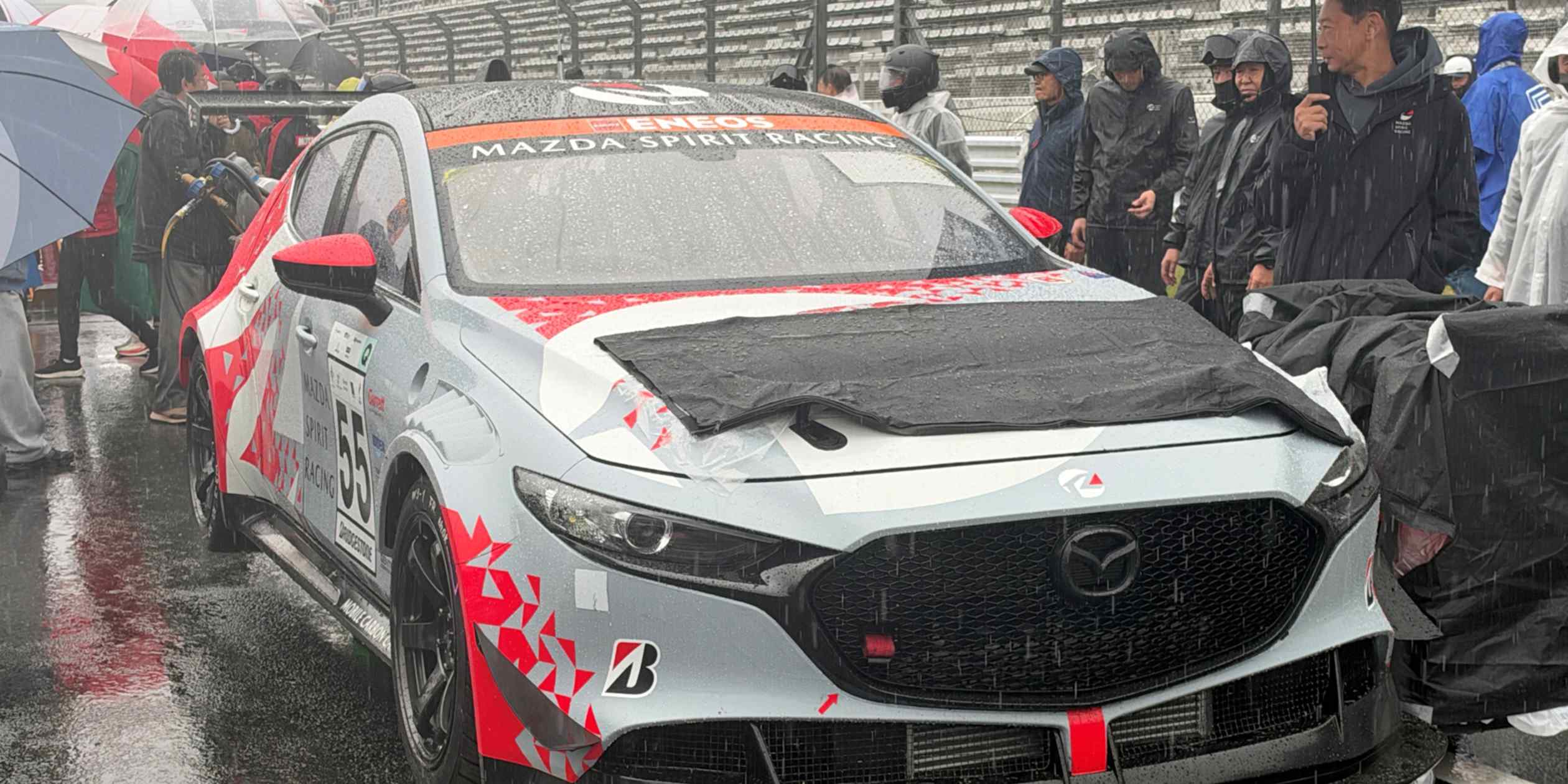
Mazda plans to test a carbon-capture vehicle on public roads in 2028. Moving direct capture mechanisms out of industrial plants and into passenger transport shifts an unresolved structural dilemma straight onto the chassis.
The Japanese automaker is proposing an alternative path to compliance. Regulators across the Asia-Pacific and global automotive markets have spent years framing fleet decarbonisation almost exclusively around tailpipe elimination. Electric drivetrains address emissions by displacing combustion entirely. Equipping an internal combustion vehicle to trap its own exhaust gas attempts to preserve the traditional engine block by turning the vehicle into a miniature filtration unit.
The Engineering Trade-off
Mounting capture equipment on a moving passenger car alters basic operating economics. Exhaust filtration requires physical space, filtration media, and energy diversion from the primary powertrain. Any hardware added to extract carbon dioxide increases vehicle curb weight, which in turn demands additional energy to propel the vehicle forward. Unless the capture rate outpaces the parasitic energy penalty created by carrying the apparatus, the net efficiency gains diminish rapidly.
Sceptics argue that filtration at the tailpipe represents an unnecessarily complicated detour. Industrial point-source capture already struggles with high capital costs and energy intensity when operating at stationary facilities with access to dedicated utilities. Miniaturising that chemical or physical process to fit inside an automobile introduces severe maintenance variables, vibration stresses, and thermal fluctuations that stationary systems never encounter.
Proponents counter that keeping existing manufacturing lines, established component suppliers, and mechanical assembly operations viable offers significant transitional value. Complete powertrain replacement requires systemic overhauls of factory tooling and capital allocation. If combustion engines can retain a regulatory license to operate by scrubbing their own exhaust, legacy platforms can remain commercially viable far longer than current transition timelines suggest.
The Missing Offloading Chain
Capturing carbon inside a passenger car solves only the initial half of the engineering equation. The second, more demanding structural requirement is offloading and sequestration. A car that traps carbon dioxide during daily operation must deposit that material somewhere reliable. Without an established secondary network to collect, transport, and permanently store or repurpose the captured gas, an onboard filter merely relocates carbon from the tailpipe to a holding tank.
Service stations and municipal depots possess no commercial mechanisms to handle small-scale canisters of captured vehicular exhaust. Charging plugs and liquid fuel pumps require straightforward delivery chains, whereas handling compressed or chemically bound carbon dioxide introduces complex reverse logistics. If drivers cannot empty capture vessels conveniently, filtration systems quickly reach saturation, leaving vehicles running as conventional emitters.
Road trials scheduled for 2028 will expose whether onboard capture can operate as a functional engineering reality rather than an experimental design study. The outcome will depend not on whether Mazda can fit filters into an exhaust pipe, but on whether energy policy frameworks ever choose to accommodate the offloading infrastructure needed to justify keeping combustion engines on the road.
Sources
Newsletter
Pacific Daily
A curated briefing from Thailand, Asia-Pacific and the world.