London's Taiwanese Pop-Up in Singapore Exposes the Circular Route of Cultural Capital
The arrival of Bao's BFF concept at New Bahru highlights how regional street food returns to Asia through European commercial mediation.
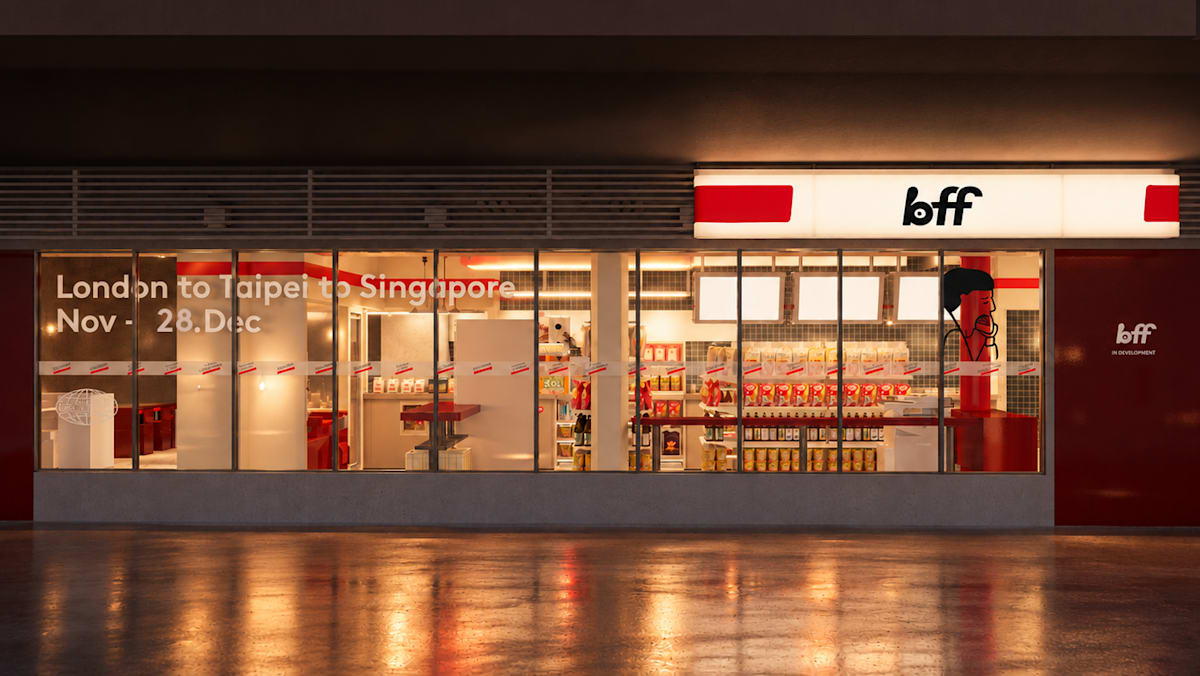
SINGAPORE
Cross-border food distribution across East Asia historically moved vernacular street cooking outward to Western capitals, where regional novelty commanded durable retail markups. That long-standing trade pattern shifts when commercial formulas codified in Europe seek validation back within Asian consumer hubs. According to reporting by Channel News Asia, the founders behind London restaurant Bao are scheduled to open BFF at New Bahru in Singapore, running from Nov 11 to Dec 28. The scheduled seven-week installation offers an analytical test of whether dining concepts established on Taiwanese culinary forms in Britain can successfully re-export those same dishes into Southeast Asian commercial real estate.
Factual disclosures describe the New Bahru site as a hybrid fast-food outlet and convenience store. The venue serves Taiwanese fried chicken alongside gravy-filled baos, supplemented by merchandise and scheduled community events. Beneath the promotional novelty, this commercial design reveals a structural transaction: metropolitan capital appropriates regional street sustenance, standardizes it through British branding codes, and reintroduces it to Southeast Asia under transient, high-margin retail conditions.
Re-Exporting Regional Heritage
Historically, everyday food provision across Taiwan developed inside decentralized municipal networks of night markets and informal family stalls. Those operations survived on thin margins, direct regional procurement, and dense neighborhood patronage. In contrast, the London hospitality model that built Bao extracted those vernacular items from their municipal environments, packaging them as metropolitan lifestyle assets framed by deliberate graphic identities.
Deploying that British commercial package into Singapore suggests an altered regional calculus. Singapore functions as Southeast Asia's primary transit node for experimental retail formats and speculative consumer concepts. Yet staging Taiwanese street recipes via a British corporate vehicle assumes domestic urban buyers will pay a premium for foreign mediation of existing regional staples. Gravy-filled baos and fried poultry require no introduction in Southeast Asia. Market evidence indicates the enterprise sells not culinary discovery, but the commercial pedigree of European aesthetic repackaging.
Defenders of such temporary ventures maintain that cross-border formats revitalize regional food categories by connecting younger urban demographics with international retail trends. Industry proponents point out that convenience store motifs and branded ephemera provide low-risk commercial engagement for property managers seeking retail foot traffic. From a purely promotional perspective, the project functions as an adaptable promotional platform.
Structural Asymmetry in Transient Retail
The temporary retail model extracts commercial equity while bypassing the statutory and operational liabilities borne by permanent regional operators.
Economic reality imposes a far sharper division between transient international installations and the resident commercial fabric. Running exclusively from Nov 11 to Dec 28 shields an offshore enterprise from long-term lease liabilities, municipal utility contracts, and sustained domestic workforce obligations. Permanent food businesses in Singapore and Taiwan must absorb escalating retail rents and regional commodity volatility across entire fiscal years. Meanwhile, foreign ventures enter the market to capture discretionary spending through artificial scarcity, departing before seasonal enthusiasm wanes.
The strategic tension at New Bahru centers on the geographic control of culinary authority. When regional staples require European commercial processing to command elite commercial positioning in Singapore, metropolitan tastemakers retain structural arbitration over Asian food heritage. The broader unresolved constraint remains whether Asian consumers will continue treating re-imported Western dining enterprises as genuine cultural exchange, or begin recognizing them as an extractive retail arbitrage that returns domestic traditions at an offshore markup.
Sources
Newsletter
Pacific Daily
A curated briefing from Thailand, Asia-Pacific and the world.