Capital Shifts Signal Regional Rebalancing Amid Dollar Weakness
The recent movement of investment from the US dollar into gold and bitcoin presents a nuanced picture for Southeast Asia, particularly Thailand, where economic stability and external trade dynamics are paramount.
SINGAPORE
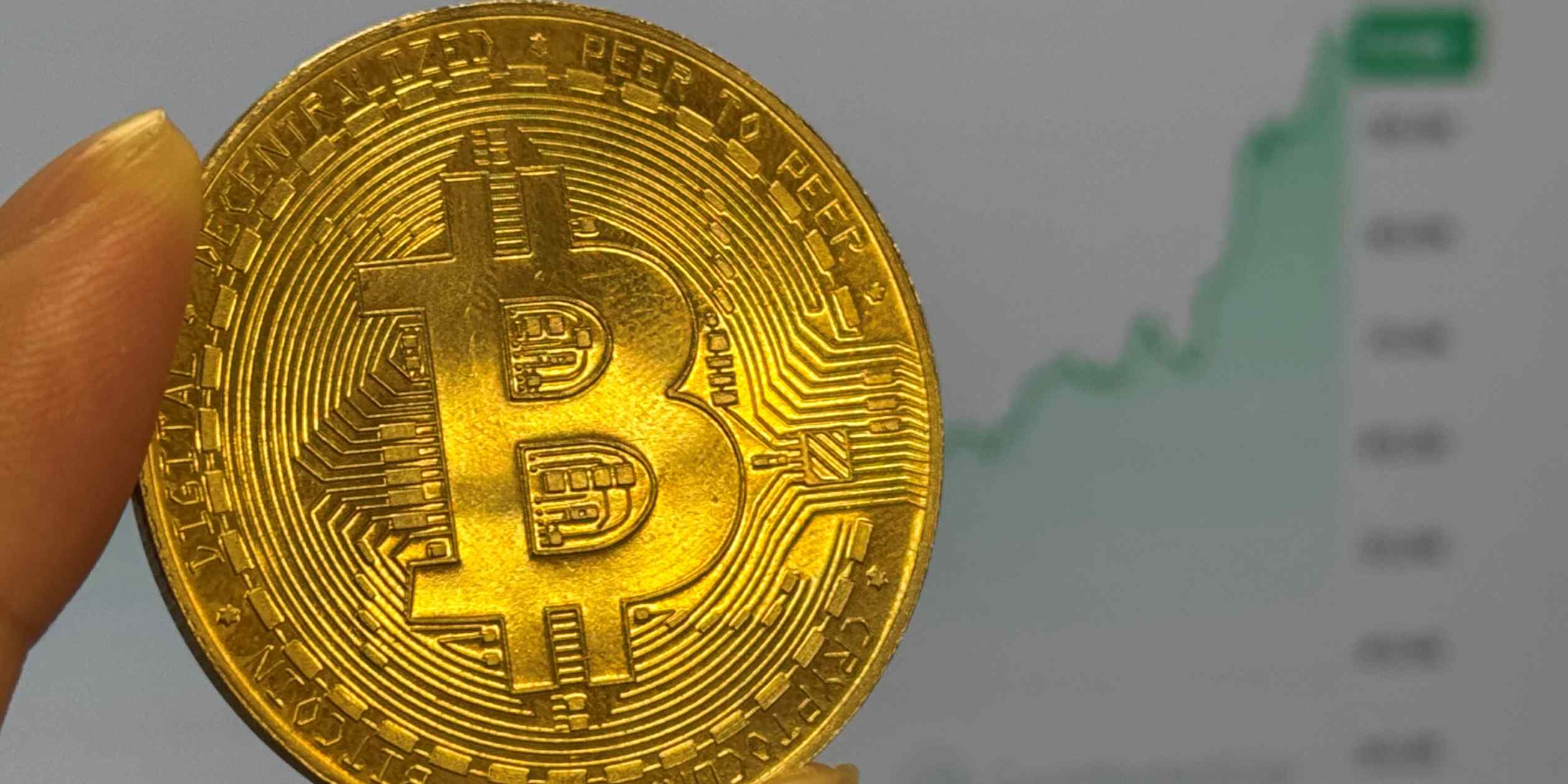
The report from Nikkei Asia on August 25, 2026, details a notable shift in investment patterns: capital is moving away from the US dollar into alternative assets such as gold and bitcoin. This development interrupts a long-standing pattern of dollar dominance in global finance, prompting an examination of its regional implications.
Historically, the dollar has served as a primary reserve currency and a benchmark for global trade. Its weakening, as evidenced by this capital redirection, suggests a re-evaluation of its reliability among investors. For East Asian economies, deeply integrated into global supply chains and trade networks, such shifts are consequential. The immediate impact manifests in increased demand for gold, a traditional safe-haven asset, and bitcoin, which some investors now view through a similar lens.
Thailand's Economic Exposure
Thailand, an economy with significant reliance on exports and tourism, faces particular considerations. A weaker dollar can make Thai exports more competitive, potentially boosting sectors tied to international trade. However, it also means that the cost of imported goods and services, often denominated in dollars, could rise, contributing to inflationary pressures. The Bank of Thailand's policy documents often highlight the importance of managing exchange rate volatility, underscoring the delicate balance required to maintain economic stability.
While the Nikkei Asia report points to a broad investor shift, it is important to acknowledge that the motivations for investing in bitcoin are complex and not uniformly aligned with gold. Bloomberg reported on May 28, 2025, that Bitcoin ETFs had attracted $9 billion as investors divested gold holdings, suggesting an initial substitution. However, Reuters, on June 5, 2026, noted a "star fades" narrative for bitcoin as investors turned to AI and megacap IPOs, indicating fluctuating sentiment. This suggests that bitcoin's role as a primary safe haven, comparable to gold, is not universally established or consistently maintained. Furthermore, after a record crypto crash, Reuters also reported on October 13, 2025, a rush to hedge against another freefall, indicating a persisting skepticism and volatility within the crypto market.
This movement of capital indicates a broader recalibration of risk and value. For Thailand and other Southeast Asian nations, the challenge lies in adapting their financial and trade strategies to navigate a potentially less dollar-centric global economic landscape, without fully embracing the volatility of nascent alternatives. The unresolved tension remains how these regional economies can secure their financial stability amidst global currency realignments and the inherent unpredictability of emerging asset classes.
Sources
Newsletter
Pacific Daily
A curated briefing from Thailand, Asia-Pacific and the world.