Nepal Flood Exposes Flaws in Regional Disaster Preparedness
The missing Filipino in Rasuwa signals a broader, unresolved structural vulnerability for Southeast Asian economies reliant on outbound tourism and expatriate labor.
SINGAPORE
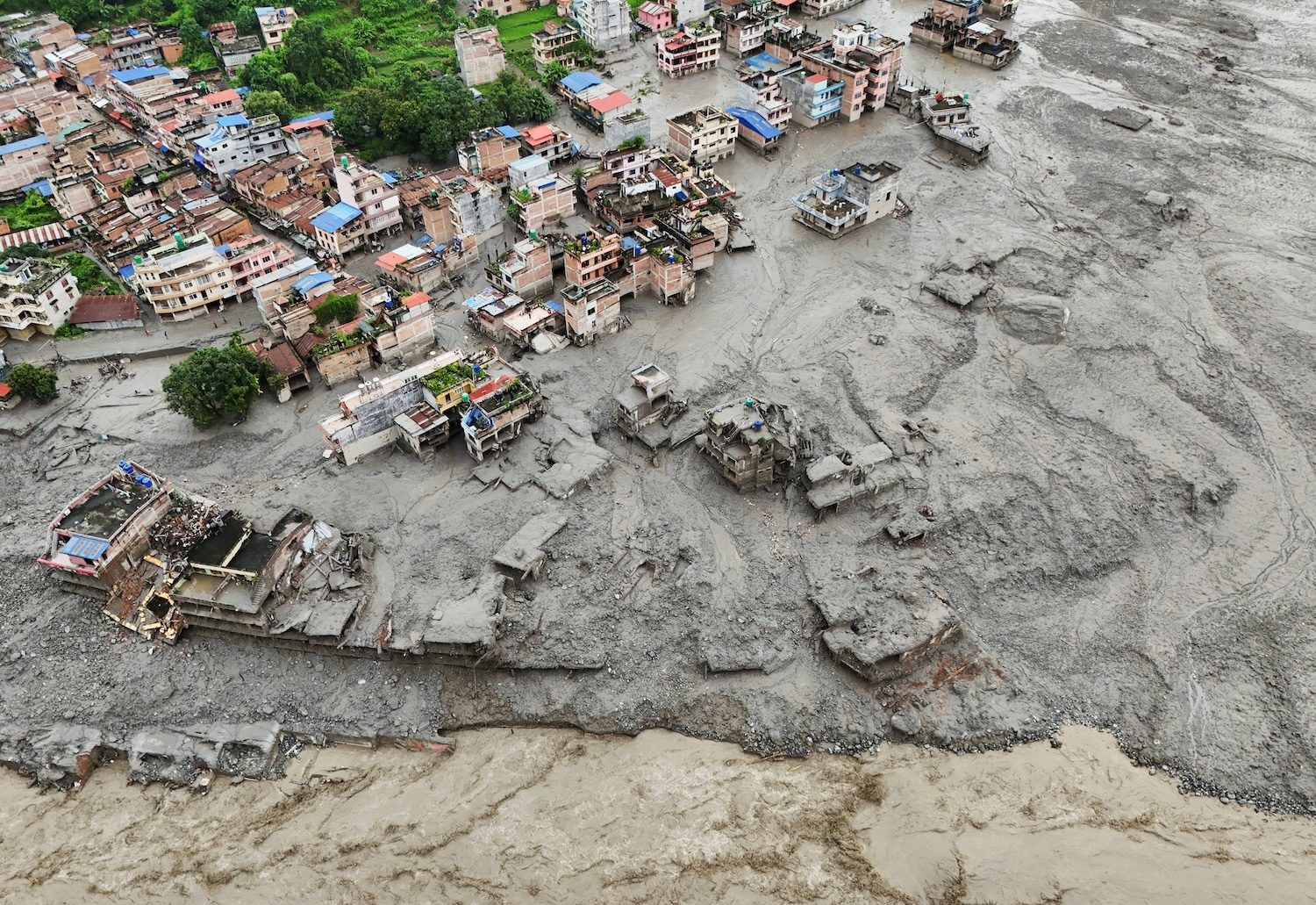
The report from Rappler on a Filipino national missing after a catastrophic flash flood in Nepal, specifically in Rasuwa, on August 26, 2026, presents more than an isolated incident. This event, occurring near the Nepal-Tibet border, highlights a persistent structural vulnerability in how Asia-Pacific nations, including Thailand, manage the risks associated with their citizens traveling or working abroad.
The Nepal Tourism Board confirmed the inclusion of one Filipino on its list of missing persons. This confirmation, given on August 27, 2026, details the country of origin but not the identity of the individual, nor the circumstances that led to their presence in a disaster-prone region. The immediate implication is that such incidents are not unique. Thailand, a major source of outbound tourists and a country with a significant expatriate labor force across the globe, shares this exposure. When disasters strike, the accountability for tracking, assisting, and repatriating citizens often rests with national governments, straining diplomatic and consular resources. The lack of detailed information regarding the missing Filipino underscores a systemic challenge: the absence of a unified, region-wide mechanism for real-time tracking and emergency response for citizens moving across borders in Asia.
While individual nations may maintain their own systems, the Rappler report suggests these are insufficient when confronting cross-border catastrophes. The current situation demands a reassessment of existing bilateral agreements and regional frameworks. The absence of a robust, multilateral protocol for identifying, assisting, and reporting on citizens affected by disasters in foreign territories means that each event becomes an ad-hoc scramble. This piecemeal approach leaves gaps in communication and response, particularly for those in less formalized travel or work arrangements. The costs, both human and diplomatic, escalate under such conditions.
A counterargument might suggest that existing consular networks are adequate, and individual nations bear primary responsibility for their citizens. This view, however, overlooks the increasing interconnectedness of regional economies and populations. The sheer volume of intra-Asia travel and labor migration necessitates a more integrated approach. Relying solely on fragmented national efforts means that rapid, coordinated responses — crucial in the immediate aftermath of natural disasters — are often hampered by bureaucratic friction and disparate data systems.
The unresolved constraint remains the political will to invest in a genuinely integrated regional disaster management and citizen tracking system. Without it, events like the Rasuwa flood will continue to expose the inherent weaknesses in reactive national responses, making the protection of citizens abroad a perpetually challenging and often reactive endeavor. The ultimate outcome hinges on whether the political entities in the Asia-Pacific prioritize a collective structural overhaul over individual nationalistic safeguards.
Sources
Newsletter
Pacific Daily
A curated briefing from Thailand, Asia-Pacific and the world.