Japan’s retreat from romance ripples across Asia-Pacific social landscapes
A Japanese government survey reveals a climb in young people lacking relationship experience, reflecting broader social and cultural currents observed from Tokyo to Bangkok.
SINGAPORE
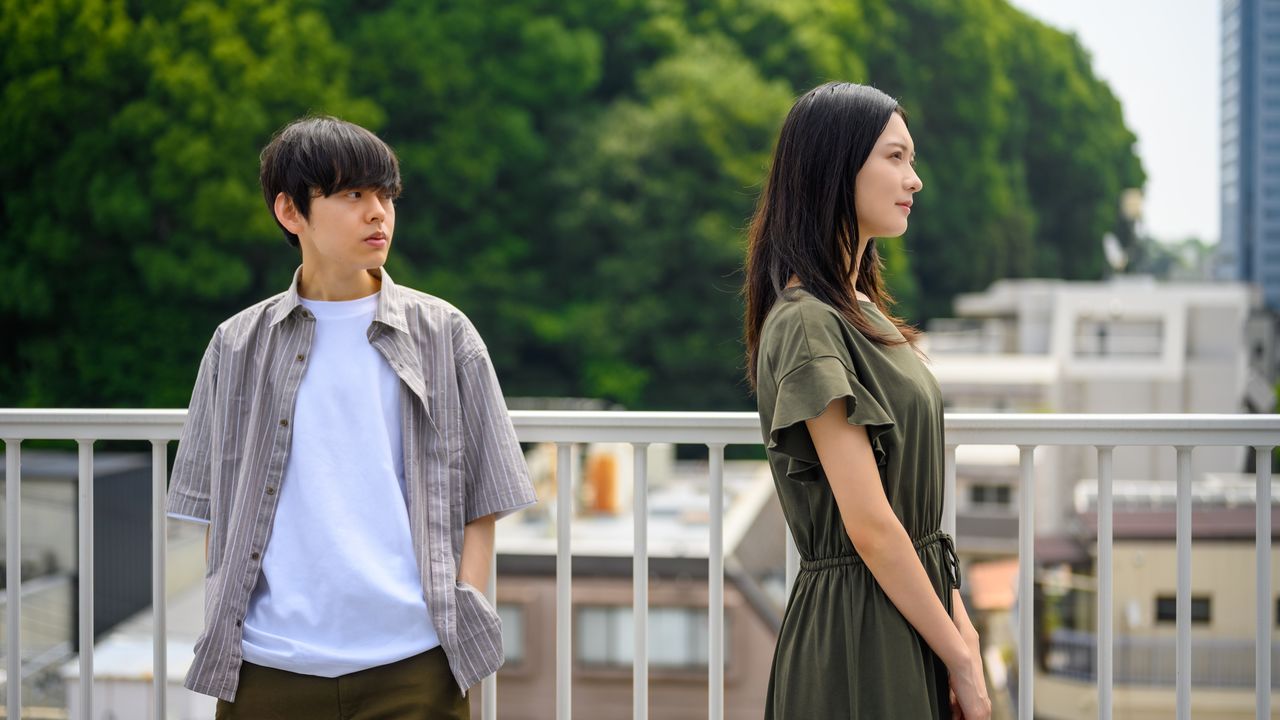
In Tokyo, city lights illuminate streets where, increasingly, young people navigate their lives individually. A Japanese government survey, the National Fertility Survey conducted in June 2025 by the National Institute of Population and Social Security Research, found that the number of young people in Japan with no romantic experience continues to climb. More than half of respondents aged 18 or 19 said they have never been in a relationship. For those aged 20 to 34, the percentage was around 30% for women and nearly 40% for men. The percentage of women aged 20 to 24 with no sexual experience, which saw a decrease from the 1990s to the early 2000s, has been rising again from 2005. This finding points to a profound change in the lives of many young Japanese.
This shift is not isolated to Japan. Similar patterns of disengagement from traditional romantic relationships and marriage are emerging elsewhere in the Asia-Pacific. The Korea Herald described young East Asians putting love on hold. In Thailand and Vietnam, young people are turning away from marriage, according to CNA. These are not merely demographic statistics; they represent a fundamental reordering of priorities and social engagement among a generation. The urban landscape, once a backdrop for chance encounters, becomes instead a space for individual pursuits, where digital connection tools might offer engagement but do not necessarily foster sustained intimacy.
The decline in relationship experience suggests an evolving approach to personal connection. It raises questions about how societal pressures, economic realities, and the prevalence of digital interaction are reshaping the expectations and desires of young adults. The Guardian noted in 2016 that for Japan’s ‘stranded singles,’ virtual love beats the real thing, but the 2025 survey implies an absence of even the foundations of romantic experience for many young people today. The reasons are complex and varied; economic anxieties, shifting gender roles, and the rise of individualistic consumer culture all contribute. Instead of investing in a partner, young people may direct resources and time towards careers, personal hobbies, or family obligations.
For some, this may be a conscious choice for personal autonomy and financial independence. The data from Japan, however, presents a narrative of young individuals who lack the experience itself, not just the preference for solitude. It challenges the assumption that digital platforms fully compensate for or replace traditional social opportunities. The consequence of these widespread individual choices ripples through society, influencing everything from urban planning to consumer markets, as priorities shift away from couple-centric activities and family formation. The current data offers a snapshot of a profound demographic and cultural transformation. The full implications for how cities function, how communities form, and how social bonds are understood in the Asia-Pacific region are yet to be fully revealed.
Sources
Newsletter
Pacific Daily
A curated briefing from Thailand, Asia-Pacific and the world.