Japan's Fighter Design Hub Signals Shifting Defence Priorities Beyond Traditional Alliances
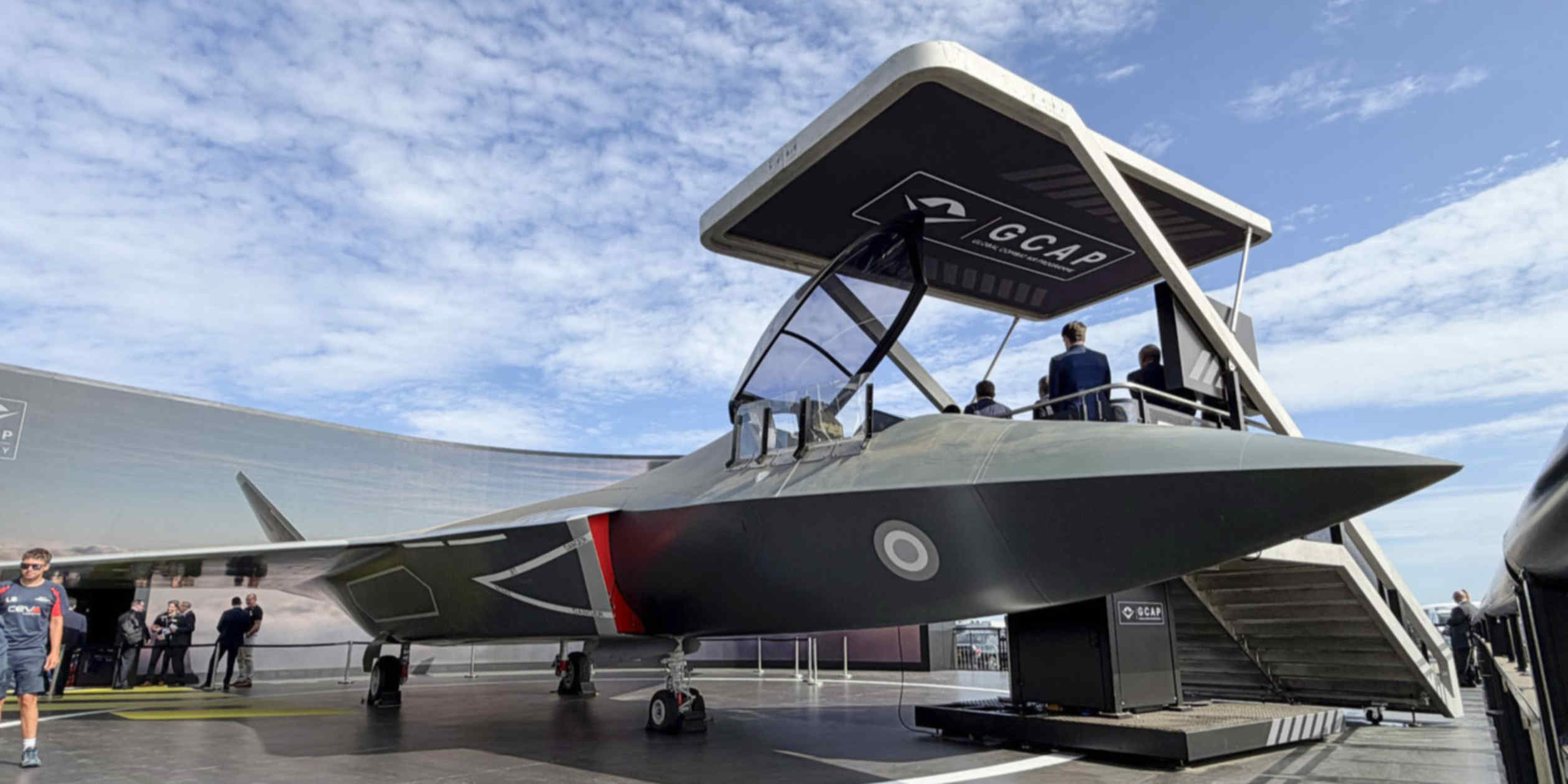
The UK-Japan-Italy fighter program, establishing a 1,000-staff design center in Japan, highlights a developing, multi-polar security architecture with implications for Southeast Asian nations like Thailand.
SINGAPORE
The plan to establish a design center in Japan for the UK-Japan-Italy fighter program, slated to employ 1,000 staff, represents a tangible shift in regional security cooperation. This initiative, linking Japan with European defense industries, expands beyond the established bilateral frameworks that have historically defined Tokyo's strategic partnerships.
Japan’s defense posture has traditionally been anchored by its alliance with the United States. However, this new trilateral effort with the United Kingdom and Italy suggests an evolution in how defense capabilities are conceived and developed. Italy’s parliament approved EUR 8.8 billion for its participation in the jet fighter program, demonstrating a significant financial commitment from a European partner. UK Prime Minister Burnham also expressed openness to Germany joining the program, indicating a potential for further expansion of this European-Japanese axis. This movement reflects a departure from the singular hub-and-spoke model often seen in Asia-Pacific security dynamics.
For nations in Southeast Asia, including Thailand, this development offers a complex set of considerations. While the immediate focus is on advanced fighter jet development, the broader implication is the emergence of Japan as a more autonomous and diversified security player. This could present new avenues for defense cooperation or technology transfer for countries seeking to modernize their armed forces outside of existing U.S. or Chinese spheres of influence. Conversely, a more robust and independently networked Japan might also reconfigure regional power balances, potentially creating new pressures or opportunities for alignment among neighbors. The established dependency on specific foreign suppliers, particularly for advanced military hardware, could see new alternatives or increased competition.
The initiative also underscores a global trend towards distributed industrial capacity in advanced defense manufacturing. Placing a critical design center in Japan, rather than solely within the European partners' territories, recognizes Japan's industrial capabilities and its strategic positioning in East Asia. This move solidifies Japan’s role beyond a recipient of defense technology, positioning it as an active co-developer and a secondary connector in a wider security network. This is a departure from historical patterns where such high-end defense projects often remained geographically concentrated within a few major powers.
However, the long-term effectiveness and broader regional impact of this trilateral effort remain to be fully understood. The successful integration of distinct national defense industries and technological standards is inherently complex. Furthermore, while the initiative diversifies Japan's defense partnerships, its practical influence on day-to-day security challenges in regions like Southeast Asia, such as maritime security or territorial disputes, is not immediately apparent. The core function of this collaboration is the development of a next-generation fighter, which addresses one specific aspect of national defense, rather than a comprehensive regional security strategy. The question for nations like Thailand becomes how such an advanced capability, developed in a new geopolitical configuration, will translate into regional stability or shifts in the broader security calculus. The unresolved tension lies in how this burgeoning partnership will navigate the established security interests of major powers and regional blocs.
Sources
Newsletter
Pacific Daily
A curated briefing from Thailand, Asia-Pacific and the world.