Jakarta's Human Rights Response Echoes Regional Strategy
Indonesia's assertions of internal oversight regarding West Papua align with broader patterns of state sovereignty over external scrutiny, despite calls from Pacific neighbors.
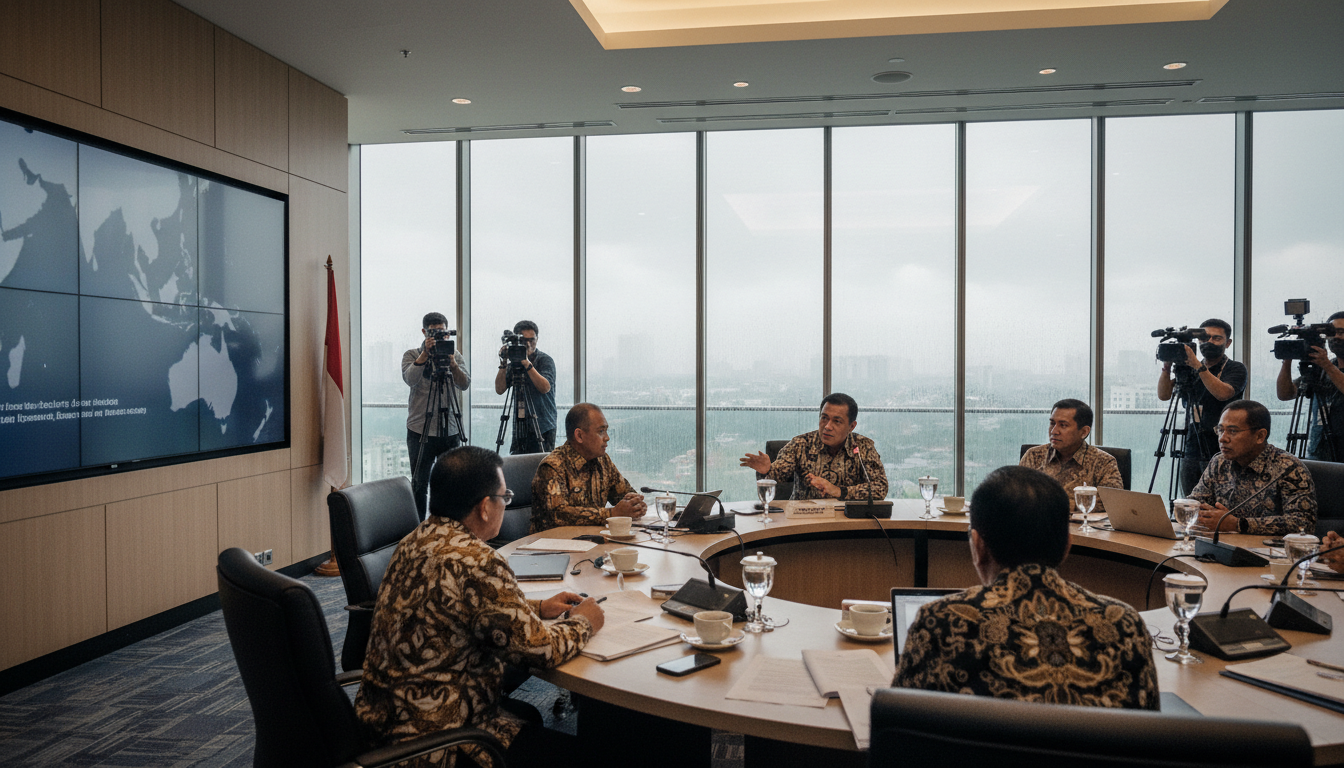
JAKARTA
The consistent defense of internal mechanisms frequently greets calls from Pacific island nations for scrutiny of human rights in West Papua. Leaders from Vanuatu and Solomon Islands used their speeches at the UN General Assembly to urge Indonesia to allow a human rights commissioner to assess the situation. This diplomatic pressure highlights a recurring tension between international calls for transparency and a state's assertion of sovereignty over its internal affairs.
Indonesia’s Ministry of Foreign Affairs responded to these urgings by stating that “Our national institutions and legal mechanisms, including the independent National Human Rights Commission, is working continuously to address such allegations.” This response positions the country’s own structures as both capable and active in managing human rights concerns. It follows a pattern of asserting national control, even as external parties express concern. The emphasis on continuous work appears to be a strategic framing to deflect demands for external intervention.
This dynamic extends beyond human rights. Indonesia’s recent expansion of its economic footprint, such as CoreWeave’s announcement of a new data center in the Asia-Pacific, signals a growing influence that comes with increasing leverage in regional and international forums. This economic development underpins Jakarta's confidence in handling its internal matters without external oversight. While such developments project an image of a modernizing state, they also mean that Indonesia's neighbors, like those affected by smoke from monthlong wildfires shutting schools, sometimes find themselves powerless in the face of cross-border consequences originating from Indonesian territory. The nation's ability to manage its environmental impact, or the lack thereof, often falls under similar assertions of national control.
The challenge for Pacific nations such as Vanuatu and Solomon Islands lies in the established norms of international relations, where state sovereignty remains a powerful principle. Their appeals at the UN General Assembly represent a moral and diplomatic offensive, rather than a direct legal challenge, given Indonesia's consistent stance. The effectiveness of such calls relies on multilateral pressure and the potential for reputational costs, which Indonesia seeks to mitigate through its public affirmations of internal due process.
The Indonesian government frames its approach to human rights allegations within a legal and institutional framework, emphasizing its record of engagement with such claims. This framing, however, does not always satisfy the specific demands for an external, independent assessment as advocated by some Pacific leaders. The disagreement is not about the existence of human rights issues, but about the legitimate authority and methodology for assessing them.
While Indonesia acknowledges “credible allegations,” it maintains that its “national institutions” are addressing them. This contrasts with the desires of Vanuatu and Solomon Islands for a UN human rights commissioner to conduct an assessment. The gap between these positions underscores a fundamental disagreement over accountability and the appropriate level of international involvement. The current approach allows Indonesia to acknowledge issues without yielding to the specific demands for external oversight, leaving the underlying tension between national sovereignty and international human rights advocacy unresolved.
Sources
Newsletter
Pacific Daily
A curated briefing from Thailand, Asia-Pacific and the world.