Infrastructure Gaps and Policy Inconsistencies Undermine Thai Development Goals
An anomaly in Udon Thani reveals deeper challenges for governance across the Asia-Pacific.
SINGAPORE
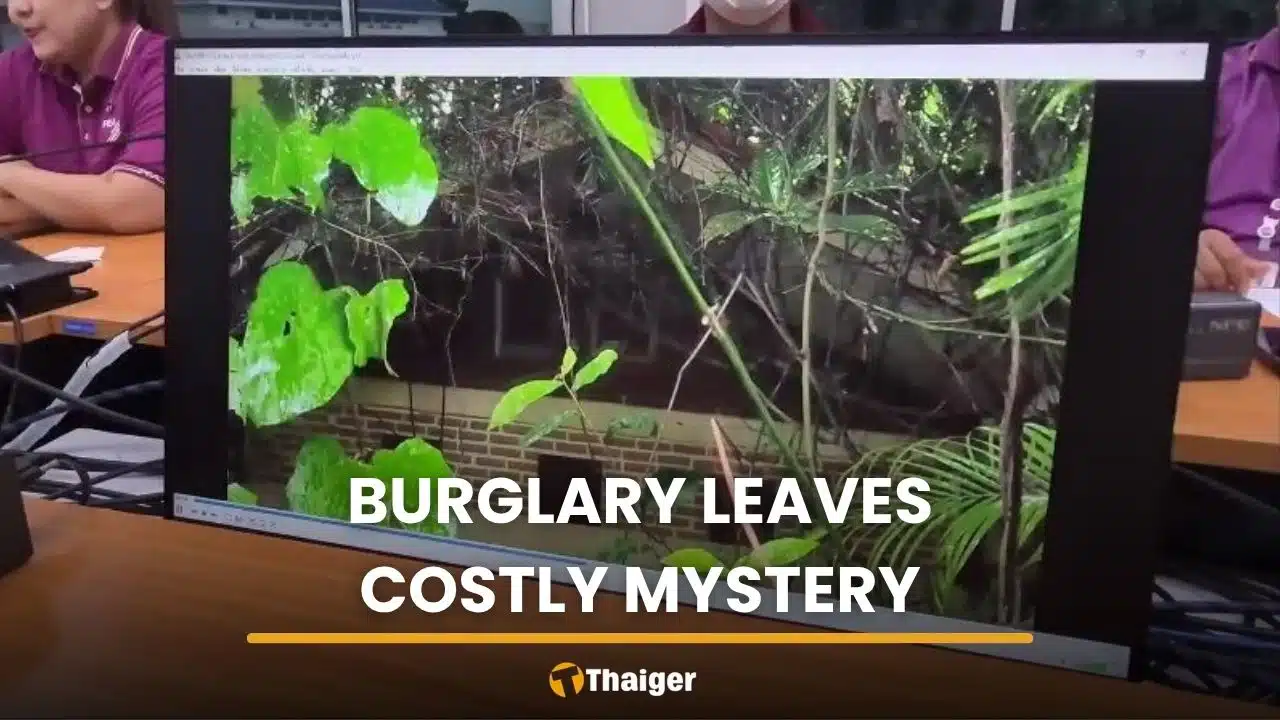
The Provincial Electricity Authority’s inspection of an empty Udon Thani house, where a monthly power bill inexplicably surged from approximately 26 baht to 49,681.90 baht, represents more than a local incident. Officials confirmed electricity had been leaking for almost a month from a property that had stood empty for several years. The 57-year-old homeowner, based in Bangkok, discovered not only the exorbitant charge but also that his property had been broken into and stripped of valuables, including electrical wiring and air-conditioning units.
This specific event, reported on September 18, 2026, highlights a recurring tension within Thailand's administrative framework. While the nation projects an image of increasing regional engagement—evidenced by its re-election to the World Heritage Committee in 2019 and its participation in water governance initiatives through the FAO ScaleWat program—the incident in Udon Thani underscores persistent vulnerabilities in local infrastructure management and enforcement. The scale of the theft, targeting fundamental utilities, indicates a lapse in local oversight that extends beyond a single property.
Across Southeast Asia, the reliability of infrastructure and the integrity of utility services are fundamental to economic stability and public trust. Thailand's decision to cut power, fuel, and internet supply to parts of Myanmar bordering scam centers, as reported in February 2025, demonstrates a capacity for decisive action in areas deemed strategically critical. However, the domestic challenge revealed in Udon Thani suggests a differential application of vigilance. The homeowner's absence for several years, coupled with the extended period of "leaking" electricity and subsequent theft, points to an environment where systemic checks on abandoned or infrequently visited properties are either inadequate or unenforced. This contrasts with the proactive measures taken regarding cross-border energy flows, where policy enforcement is immediate and visible.
One might argue that a single incident of a stolen meter or wiring is an isolated criminal act, not indicative of broader structural issues. This perspective suggests that local police action, once notified, would sufficiently address the problem. However, the magnitude of the financial discrepancy and the duration of the unnoticed theft suggest a failure in routine monitoring by the utility provider, the Provincial Electricity Authority itself. If an empty house can accrue nearly 50,000 baht in charges from illicit activity over a month, the mechanisms designed to detect abnormal consumption patterns are either deficient or circumvented. This is not merely a crime but a systemic vulnerability that exposes individual citizens to significant financial risk and undermines confidence in public services. The challenge remains to bridge the gap between national policy ambitions and the consistent application of governance standards at the local level, a tension not unique to Thailand but particularly stark in this instance.
Sources
Newsletter
Pacific Daily
A curated briefing from Thailand, Asia-Pacific and the world.