Infrastructure Decay Tests Civic Patience in the Pacific
A Vancouver viaduct closure, though local, highlights the quiet negotiation between city life and the persistent demands of aging urban infrastructure.
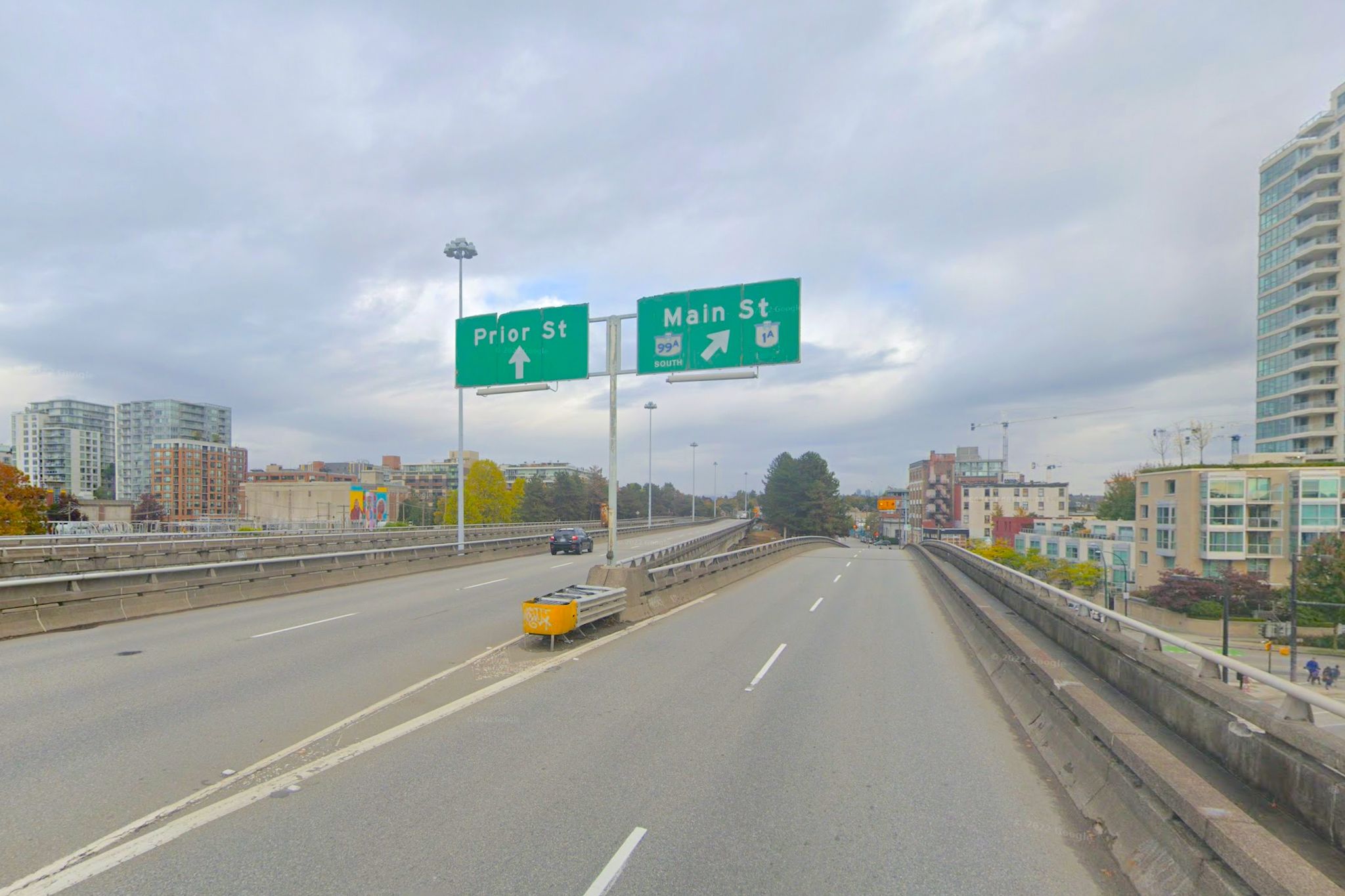
The City of Vancouver announced the closure of the Georgia Viaduct’s Main Street off-ramp, starting Friday, October 2, 2026. This three-month closure, part of a repair project extending until Spring 2027, is for construction crews to replace expansion joints. These joints allow the elevated roadway to manage expansion and contraction. The disruption affects drivers heading east out of Downtown Vancouver. Such an event, while specific to a North American city, appears to reflect a broader, often understated challenge facing urban centers across the Pacific Rim, including Thailand.
Cities, regardless of their immediate geography, are systems built on layers of human endeavor and time. When a vital component like an expansion joint on a bridge requires replacement, it exposes the constant, often unseen, maintenance burden of modernity. Vancouver’s bulletin did not focus on the larger narrative of infrastructure aging, but the need to replace these joints, which are critical for structural integrity, suggests the natural wear and tear inherent in any built environment. The temporary inconvenience for Vancouver drivers appears to mirror similar instances in diverse cities where infrastructure, from roads to public transit, demands regular, disruptive interventions to remain functional.
This specific closure is framed by the city as a necessary repair. The city states that drivers can expect fewer lanes during this months-long construction process. This points to a direct, tangible consequence for daily routines. However, the wider implications extend beyond traffic delays. For instance, the discussion around Vancouver’s viaducts has previously included calls for their demolition. In 2018, the Lowy Institute also raised concerns about unregulated population migration as a future driver of instability in the Pacific, hinting at pressures that infrastructure might face beyond mere physical decay.
Considering the long-term impact, the question of whether to repair or replace structures like the Georgia Viaduct becomes relevant. The immediate solution is repair, but the underlying decision-making process for such projects often reflects differing civic priorities. The repeated cycle of repairs, the constant negotiation between urban development and the lived experiences of citizens, illustrates a continuous cultural conversation about the nature of a city itself. It is a negotiation between the ideal of seamless urban flow and the gritty reality of maintaining it, a balance that requires ongoing societal engagement rather than a simple engineering fix.
Sources
Newsletter
Pacific Daily
A curated briefing from Thailand, Asia-Pacific and the world.