Industrial Wage Settlements Inland Shift Production Pressures Across Pacific Trade Corridors
A double-digit labor agreement at U.S. Steel reflects domestic cost realignment that alters competitive margins along Asian manufacturing networks.
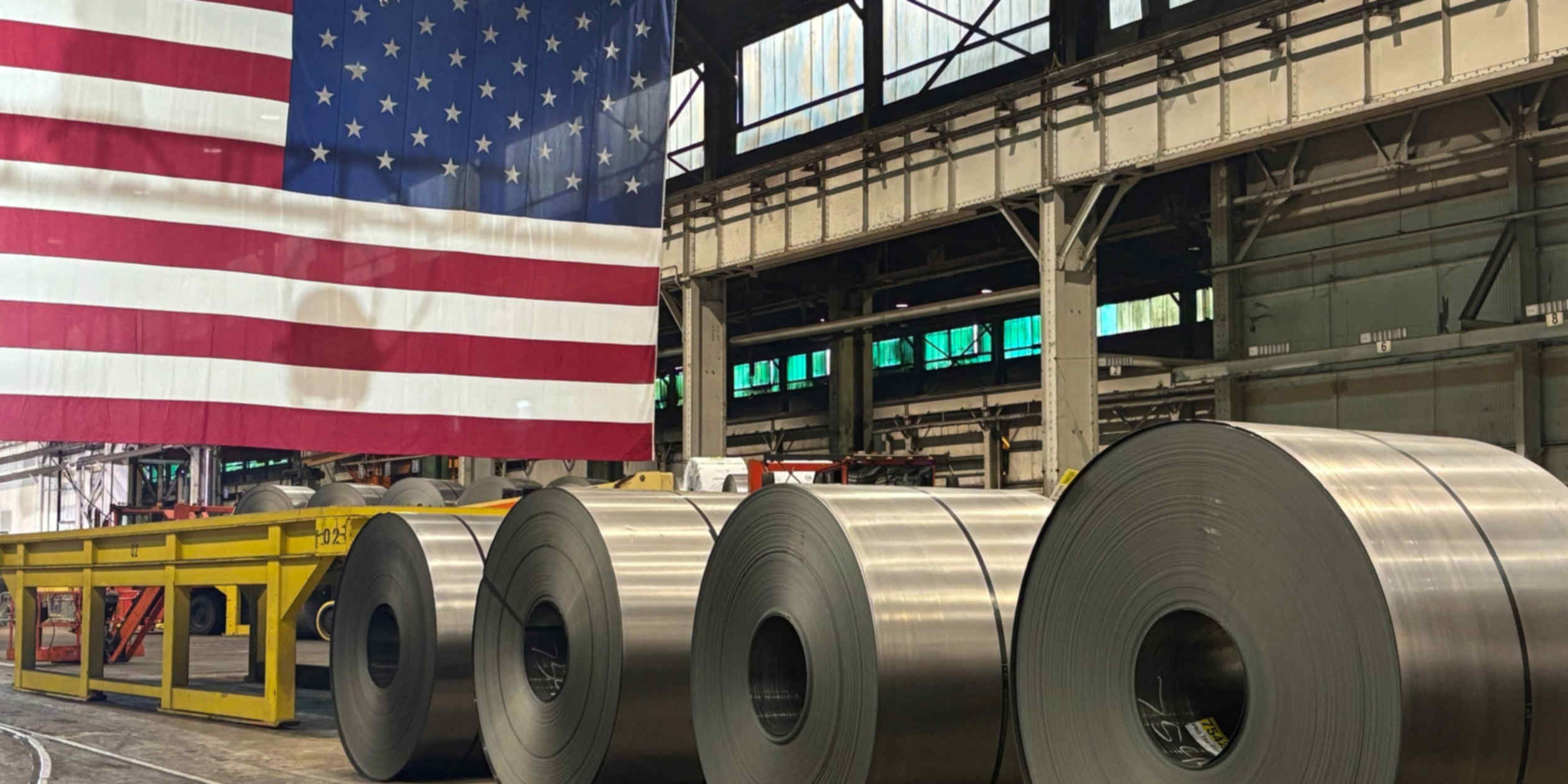
SINGAPORE
Heavy industry has long balanced domestic political commitments against the discipline of maritime supply chains. In modern industrial policy, wage agreements negotiated in interior manufacturing districts rarely remain localized matters. When United States production costs reset upward, the adjustment travels outward across transpacific shipping routes, reshaping the terms of trade for metal processors and fabricators in Asia.
According to reporting by Nikkei Asia, U.S. Steel agreed with its union to raise wages by 19.25% over 4 years. The agreement represents a substantial recalibration of operating expenditure in an energy-intensive foundation sector. For domestic labor, the outcome secures baseline earnings against broader inflationary pressures across four operational calendar cycles. Yet for the global trade architecture that absorbs and redistributes basic industrial inputs, higher fixed labor rates within North America alter the comparative economics of downstream fabrication.
The Cost Divergence Between Production Centers
Steel manufacturing forms the structural spine of infrastructure development, transportation equipment, and regional export manufacturing. When domestic mills in the United States absorb a compound wage increase approaching one-fifth over four years, unit production economics must adjust through capital modernization, higher selling prices, or protected procurement channels. Each choice produces distinct trade repercussions.
If producers seek to transfer higher labor overhead directly into base product pricing, consumers of raw metal face immediate margin compression unless shielded by domestic market barriers. Conversely, if trade restrictions insulate domestic mills, regional mills across the Pacific face indirect displacement as international volumes redirect toward open Asian and developing markets. Southeast Asian industrial centers, where steel consumption underpins factory construction and port logistics, monitor such cost differentials closely. An escalation in Western production expenses changes where secondary manufacturers source intermediate goods and where specialized alloys must be purchased.
Regional Balance Across Asian Coastlines
Industrial policy designed inland inevitably presents its invoice at maritime borders. Southeast Asian fabrication yards and maritime assembly hubs operate under intense cost discipline, where minor shifts in primary input prices influence tender competitiveness for global contracts. While North American labor agreements prioritize domestic workforce stability, they simultaneously widen the production cost divergence between western manufacturers and maritime Asian producers.
Higher fixed compensation in continental heavy industry directly tests whether domestic procurement rules can shelter secondary manufacturing from maritime competition.
There is, however, an alternative commercial reality. Proponents of domestic labor settlements argue that wage increases enhance operational continuity, stabilize skilled plant staffing, and accelerate investment in efficient plant automation. Higher labor compensation can prompt capital upgrades that eventually reduce energy consumption and per-ton operating expenses, narrowing any transient competitive gap with overseas exporters. If productivity gains offset nominal wage growth over the four-year term, cross-border trade friction may remain muted.
That balance remains fragile. Industrial consumers of basic materials across East Asia and Southeast Asia operate in an environment governed by strict margin preservation. When continental producers raise operational wage baselines without an immediate productivity jump, international procurement networks re-evaluate their supply commitments. Global supply lines continue to negotiate the structural friction between protected domestic wage floors inland and the relentless pricing pressures of international maritime commerce.
Sources
Newsletter
Pacific Daily
A curated briefing from Thailand, Asia-Pacific and the world.