India's Cricket Victory Masks Underlying Regional Strategic Challenges
A decisive win in the West Indies T20 series highlights India's sporting prowess, yet domestic pressures like power shortages and political unrest shape its regional trajectory.
SINGAPORE
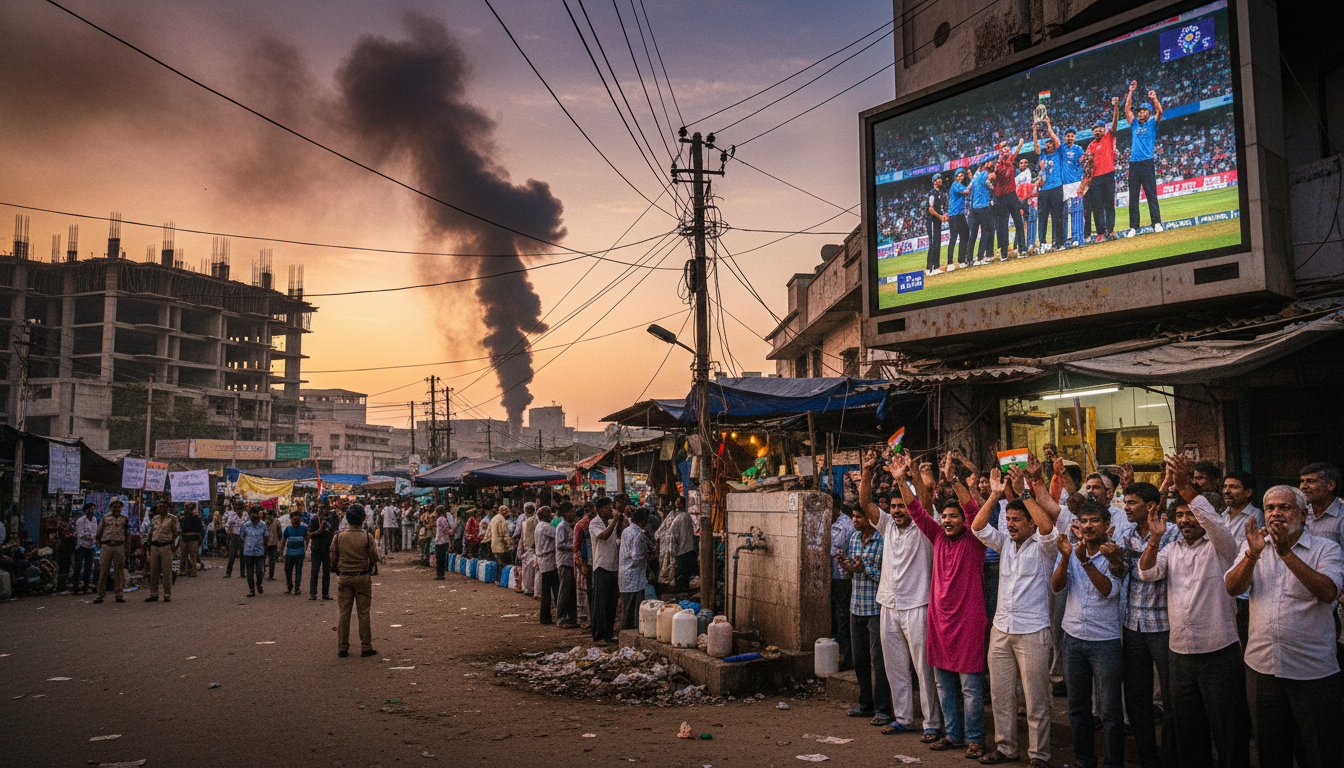
India secured an eight-wicket victory over the West Indies in the first Twenty20 match of their five-match series in Lucknow. Captain Shreyas Iyer led the chase with an unbeaten 102 off 43 deliveries, featuring 10 fours and six sixes, ensuring India's win with 32 balls to spare. Abhishek Sharma contributed 21 runs off 10 balls before his dismissal. Sanju Samson also departed early, leaving India at 35 for two before Iyer's dominant stand. This athletic achievement reaffirms India's consistent presence on the international sporting stage.
Yet, this international sporting success occurs as India navigates significant internal challenges. Indian states are seeking additional power to avoid outages, officials report, reflecting tightened supplies. This demand for more energy points to a fundamental requirement for maintaining both economic activity and daily life across the country. Simultaneously, protests in India have intensified, calling for the election chief to resign. Such domestic political movements suggest ongoing internal scrutiny and public engagement with governance structures. These internal dynamics—infrastructure shortfalls and political activism—frame how India's international sporting achievements are perceived within a broader strategic context.
From an Asia-Pacific perspective, the region generally prioritizes robust digital infrastructure. The increasing focus on data centers exemplifies this. While direct links between India's immediate power needs and the region's data center growth are not detailed here, the general trend indicates a widespread demand for consistent and reliable energy provisions. This underscores a core challenge for many developing economies in the region. The strategic calculation involves balancing immediate national needs, such as stable power grids, with technological advancement aspirations and digital connectivity.
India's demonstrative strength in cricket and its simultaneous internal challenges pose a question about the allocation of national resources and attention. A nation excelling globally in sports while confronting significant domestic energy and political issues represents a tension common to many rapidly developing economies. The current focus on resolving power shortages and addressing political dissent suggests a redirection of governmental and public energy towards foundational stability. This implies that while India's athletic performance generates widespread enthusiasm, the policy implications of its internal struggles may hold more weight for its long-term trajectory within the Asia-Pacific landscape, creating a nuanced regional dynamic. This cricket victory offers a moment of national pride, but the persistent underlying issues demand sustained attention from policymakers and regional observers alike.
Sources
Newsletter
Pacific Daily
A curated briefing from Thailand, Asia-Pacific and the world.