Hong Kong's Hybrid Healthcare: Architectural Compromise or Integrated Future?
The new Chinese Medicine Hospital of Hong Kong presents a unified front for Eastern and Western practices, yet its design reflects an uneasy truce rather than a true synthesis.
HONG KONG
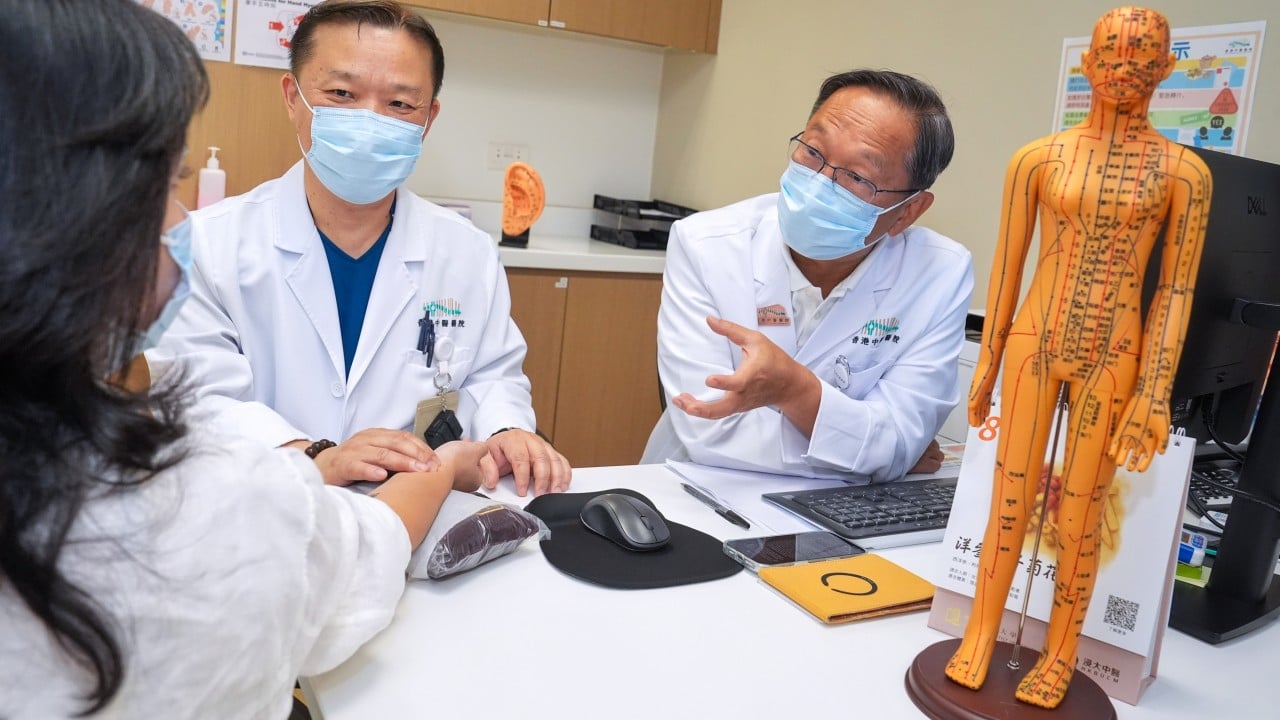
The reported quietude within the new Chinese Medicine Hospital of Hong Kong, where “you can barely hear a footstep” in its “sunlit atrium,” might suggest an architectural embrace of calm. However, the true measure of its design lies not in its serene surface but in how it physically integrates or segregates distinct medical philosophies. This hospital is presented as a place where Western doctors and TCM practitioners work “side by side to streamline holistic healthcare,” a claim that requires scrutiny of the spaces they inhabit.
Functionally, the hospital brings together two disparate medical traditions under one roof. The aim, as noted in the SCMP, is to allow Chloe Loung to experience a patient journey where “Eastern and Western healthcare meet.” This co-location is a policy decision, reflecting a broader movement in Hong Kong to evolve TCM and potentially “take Chinese medicine global,” as observed by The Straits Times. Yet, the architectural challenge is to move beyond mere adjacency to genuine integration. The hospital’s structure must facilitate collaboration, not just coexistence.
The concept of a “holistic healthcare” system often implies a seamless patient experience, where the building itself aids in the blurring of traditional medical boundaries. But architectural design rarely achieves a profound philosophical synthesis simply by placing elements next to each other. The facility houses both Eastern and Western practices, a setup that can risk creating parallel systems within a single shell, rather than a truly unified approach. This structural dichotomy, if present, would undermine the stated goal of streamlined care.
While the reporting emphasizes a serene environment and the practical integration of two medical systems, the exact spatial strategies for this integration remain undescribed. Are consultation rooms designed for joint practitioner sessions? Do diagnostic areas flow naturally between Western imaging and TCM pulse diagnosis? The silence on these architectural specifics is notable. Without a deliberate design that compels interdisciplinary interaction, the “side by side” arrangement risks becoming a polite form of separation, where two distinct models operate concurrently within the same complex but do not truly merge their methodologies or patient pathways.
The aspiration to “streamline holistic healthcare” is a powerful one for the region, particularly as Chinese healthcare firms expand overseas to support growing expat communities. The Hong Kong model, if truly integrated, could serve as a precedent. However, if the architecture merely accommodates rather than catalyzes interaction, then the quiet atrium may signify not just peace, but also a missed opportunity. The hospital, in its physical form, might inadvertently reinforce the very distinctions it seeks to transcend, leaving the deeper integration to policy directives rather than embodied experience. It becomes an architectural statement about compromise, not necessarily synthesis. The ultimate test will be whether the building’s layout fosters a new, combined medical practice or merely provides efficient circulation between two separate ones.
Sources
Newsletter
Pacific Daily
A curated briefing from Thailand, Asia-Pacific and the world.