Green Refuges in the Sky: Biophilic Bliss for Bangkok’s Compact Condos
Victor Santos, Pacific Press Correspondent, delves into integrating nature-inspired design within the city's smallest living spaces.
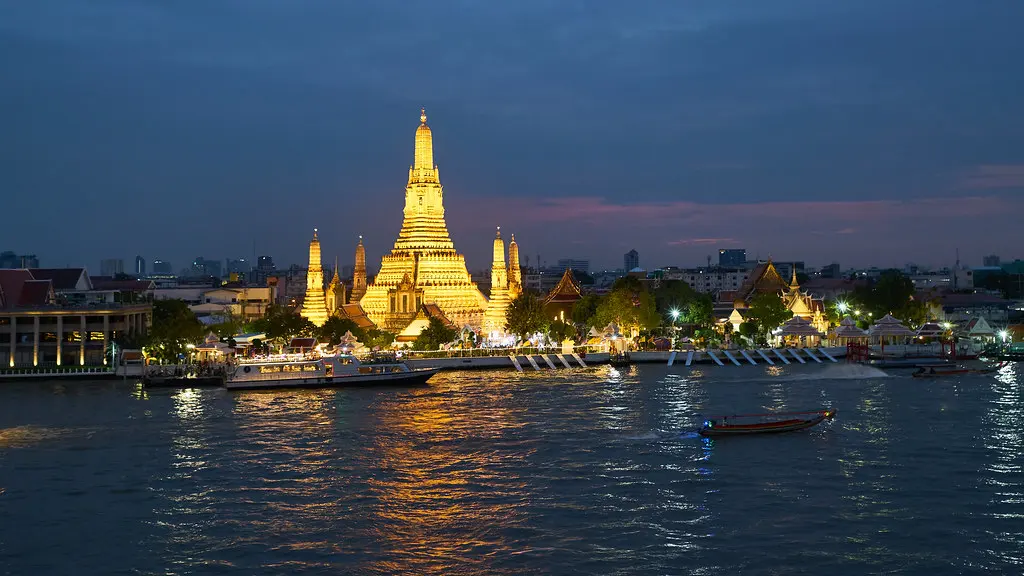
BANGKOK
BANGKOK – The relentless concrete jungle of Bangkok, with its shimmering glass towers and endless traffic snarls, often feels antithetical to nature. Yet, within its vertical sprawl, a quiet revolution is taking root: biophilic design. For the burgeoning number of residents occupying compact condominiums – typically 30-50 square meters – the challenge isn't just about maximizing space, but about reconnecting with the natural world. My observations across Sukhumvit and Phra Khanong suggest this isn’t merely an aesthetic choice; it’s a vital one for mental well-being in a high-stress urban environment.
The notion that biophilia is reserved for sprawling villas or ground-floor units is a misconception I’ve encountered repeatedly in design publications, particularly those focusing on Western markets. They often dismiss the potential for truly integrated natural elements in high-rise, small-footprint living. I argue vehemently against this. Bangkok offers a unique confluence of factors – a year-round tropical climate, abundant natural light even in shaded balconies, and a rich biodiversity – that makes biophilic design not only feasible but profoundly effective, even in a 35-square-meter studio.
Local Flora, Maximum Impact
The cornerstone of successful biophilic integration in a small Bangkok condo lies in selecting the right plant species. Forget high-maintenance, temperate-zone flora. The city's nurseries, like those found along Klong Toey or Chatuchak Weekend Market, offer a treasure trove of robust, climate-appropriate options. My visits to several newly-designed units in a Thonglor development, 'The Estelle,' revealed ingenious applications. One owner, a Mr. Anan Suthakorn, had transformed his 40-square-meter unit’s narrow balcony into a vibrant vertical garden using a simple steel grid and a drip irrigation system. He primarily used Sansevieria (snake plant) and Zamioculcas zamiifolia (ZZ plant), both renowned for their air-purifying qualities and ability to thrive on minimal care, requiring watering perhaps once every 2-3 weeks in partial shade.
For interior spaces, particularly near windows, consider plants like the Money Tree (Pachira aquatica) or the Fiddle Leaf Fig (Ficus lyrata), which, while requiring slightly more attention, add significant vertical greenery and a sense of 'forest canopy.' Even the humble Pothos (Epipremnum aureum) in hanging planters can soften sharp architectural lines and bring a cascading natural element. These selections offer a vital visual connection to nature, known to reduce stress and improve cognitive function – a necessity when your view is often another high-rise.
Harnessing Bangkok’s Tropical Light
Natural light is perhaps Bangkok’s most undervalued biophilic asset. The equatorial sun provides intense, consistent illumination, even during the monsoon season. The key is to optimize its penetration and quality. Instead of heavy curtains that block light, I observed a preference for sheer drapes or even no window coverings in certain areas, allowing diffused light to wash walls. Strategic placement of mirrors opposite windows can amplify this effect, bouncing light into deeper recesses of the apartment, creating the illusion of more space and brightness. This is particularly effective in units where the main living area has only a single window or balcony door.
"In Bangkok's compact condos, biophilic design isn't a luxury; it's a lifeline to well-being."
Beyond direct sunlight, consider light temperature. Warm LED lighting in the evenings can mimic the golden hour, promoting relaxation, contrasting sharply with the harsh, cool fluorescent lights that still plague many common areas. For spaces lacking direct natural light, like an inner bathroom or a dark corridor, full-spectrum LED grow lights, discreetly integrated into shelves or ceiling fixtures, can sustain small indoor plants, ensuring that the connection to living organisms persists throughout the home. My reporting indicates that for under 2,000 THB, one can purchase a decent quality grow light setup capable of sustaining several small plants. The goal is to create a seamless transition between the built environment and the natural world, fostering a sense of calm and connection amidst the urban intensity. This isn't just decoration; it's about engineering serenity.
Newsletter
Pacific Daily
A curated briefing from Thailand, Asia-Pacific and the world.