Geothermal Interest Signals Mitsui Fudosan's Evolving Investment Focus
Mitsui Fudosan's exploration of Japan's first next-generation geothermal power site raises questions about a potential structural shift in its regional investment priorities, extending beyond traditional property development.
SINGAPORE
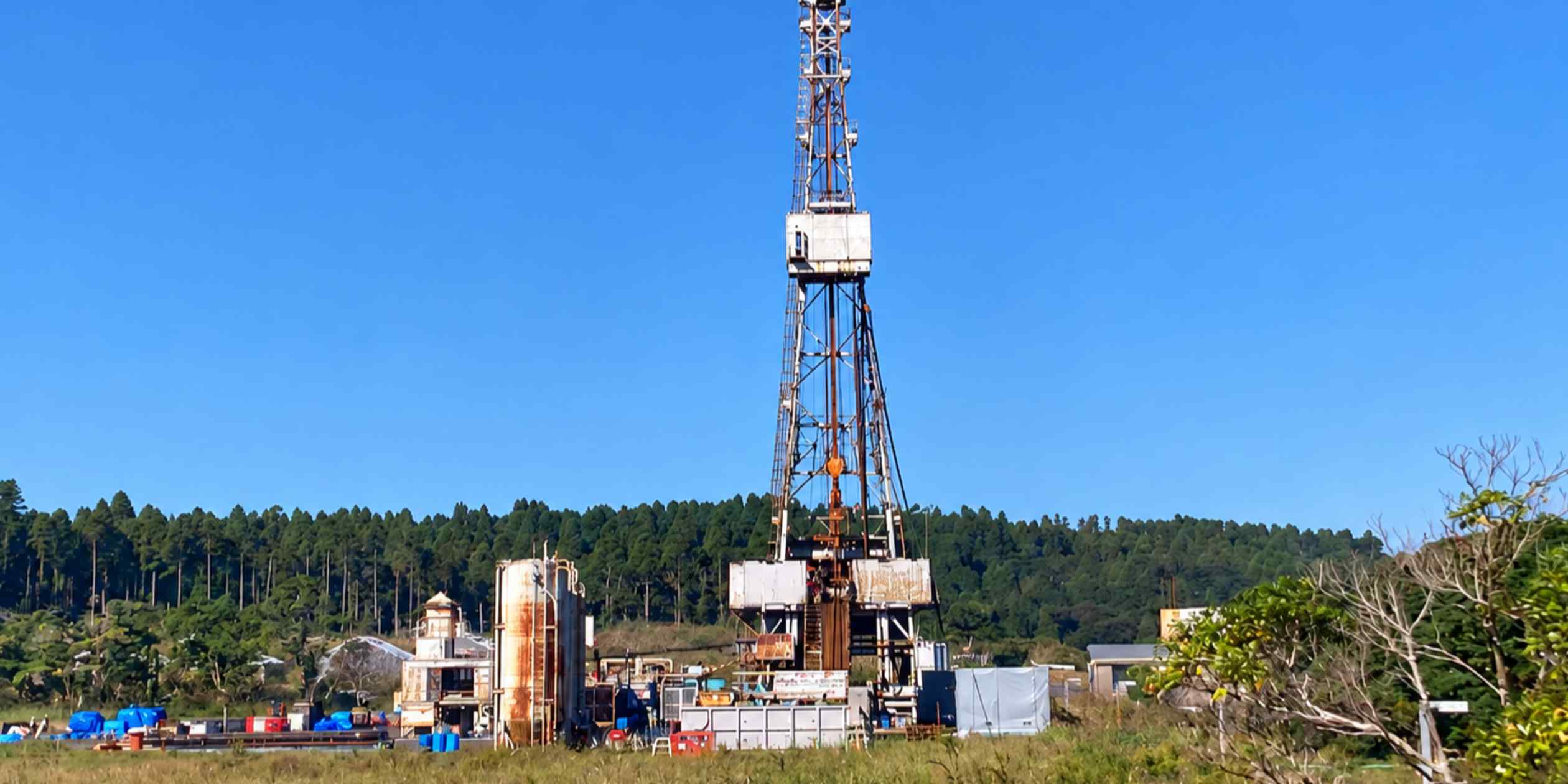
Japan's Mitsui Fudosan is exploring the development of what Nikkei Asia reported on October 13, 2026, as Japan's first next-generation geothermal power site. This move by a significant property developer suggests a re-evaluation of investment strategy beyond established real estate holdings. Pursuing energy infrastructure could position the developer in a different sector, altering its core business definition and potential revenue streams.
Historically, Mitsui Fudosan's regional activities concentrated on real estate. The company has deepened its push into the Indian market, as reported by Reuters. It also partnered with MAHB for an aviation logistics hub in Subang following an outlet park in Sepang, detailed by Malay Mail on July 9, 2026. These activities align with a developer's conventional profile, leveraging expertise in construction, retail, and industrial space. Nikkei Asia noted on September 18, 2024, that Japan's Mitsui Fudosan, among others, will invest USD 3.5 billion in cold storage, further solidifying its presence in physical infrastructure.
The geothermal initiative represents a potential structural departure. A next-generation geothermal power site is an asset with distinct risk profiles, regulatory frameworks, and operational demands compared to commercial or residential property. This shift could be interpreted as Mitsui Fudosan seeking to diversify its portfolio, moving into an area with potentially stable, long-term returns and a different set of political and economic dependencies. It also suggests a strategic response to evolving national energy policies and the broader regional push for decarbonization. Capital allocation for such a project would necessitate a re-weighting of its financial models, moving from cyclical property development to long-term utility-like investments.
An alternative perspective might consider this geothermal project an opportunistic, rather than fundamentally reorienting, investment. Companies often explore new sectors without fully abandoning core competencies. The scale of the geothermal project relative to Mitsui Fudosan's overall portfolio, which includes significant property assets and a stake in Tokyo Disney—a holding that activist fund Elliott pushed the company to divest from, as reported by Nikkei Asia on February 6, 2024—remains undefined. It is plausible this energy venture constitutes a smaller, experimental allocation within a larger, still property-centric, investment framework. A single energy project, even if it is the first of its kind for Japan, does not automatically redefine a multinational conglomerate’s identity.
The critical question becomes whether this marks the beginning of a sustained pivot into energy infrastructure or if it is an isolated diversification effort. If Mitsui Fudosan commits substantial capital and resources over time to energy generation, particularly in a manner that rebalances its asset base away from traditional real estate, it would signal a profound structural change. The company's future investment patterns, specifically the proportion of capital allocated to non-property assets versus its conventional development pipeline, will determine the long-term significance of this geothermal exploration.
Sources
Newsletter
Pacific Daily
A curated briefing from Thailand, Asia-Pacific and the world.