EU exemption for leather offers limited relief for Asia-Pacific sustainability efforts
The leather industry's re-framing of its environmental footprint hinges on a European regulatory decision. This shift does not resolve the structural challenges facing regional supply chains.
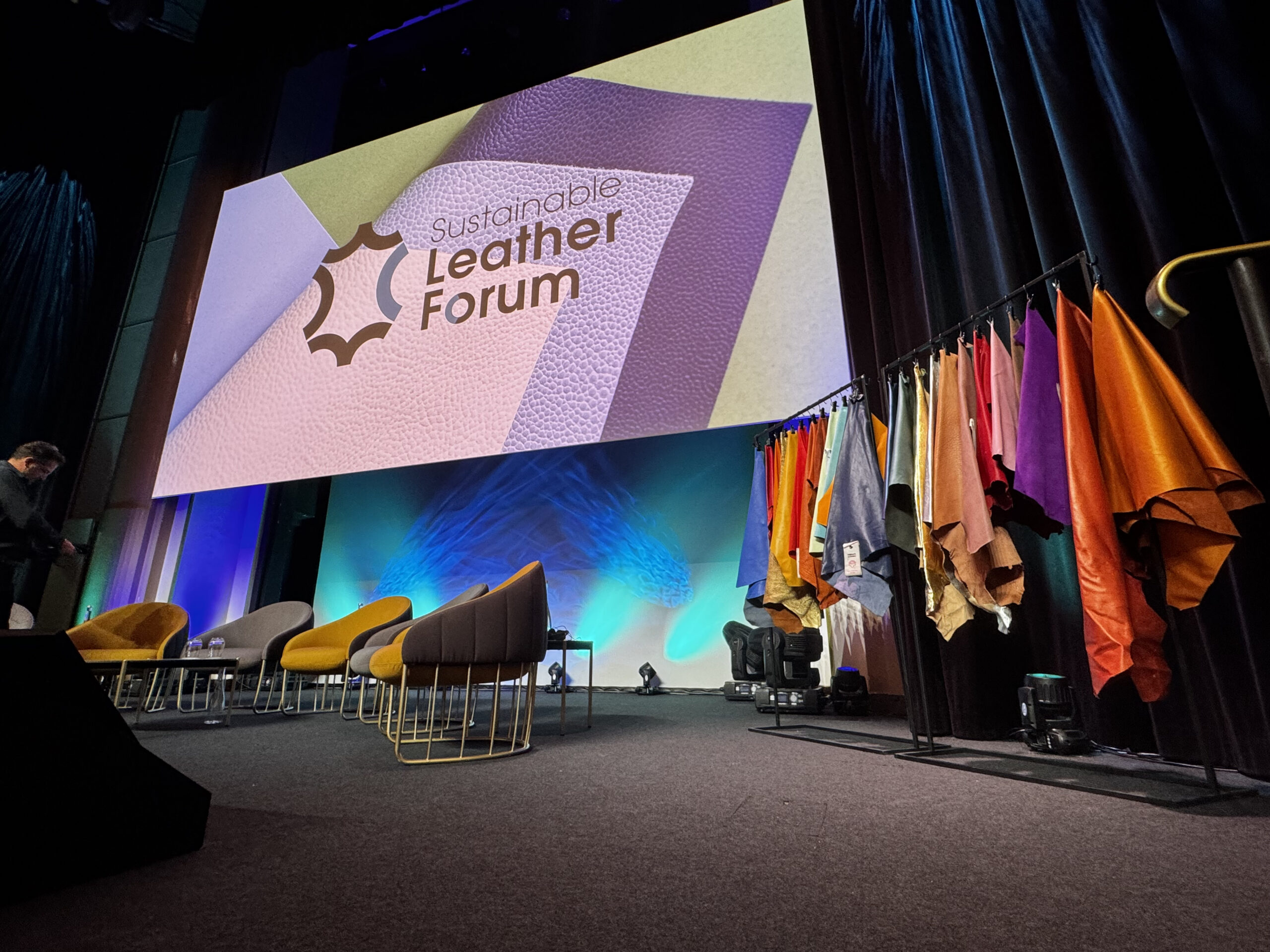
The European Union’s recent exemption of leather from its deforestation law, reported by Mongabay Asia on September 18, 2026, marks a significant regulatory outcome for the global leather industry. This decision, following what Mongabay Asia described as "intense lobbying," permits the continued import of leather products into the EU without the stringent deforestation checks applied to other commodities. Industry representatives, gathered in Paris on September 7, characterized leather as a "cornerstone of the circular economy," a means to utilize bovine hides that would otherwise become waste.
This reclassification in Europe suggests a strategic pivot by the industry to address what it terms an "unfair ‘negative perception’." The EU’s regulatory stance does not, however, alter the fundamental environmental impact of cattle rearing. Agricultural expansion, with cattle ranching as a major component, is a primary driver of deforestation. While hides are a byproduct, the demand for beef directly influences cattle populations and, by extension, the land required for grazing and feed production.
For the Asia-Pacific region, a key supplier of leather and livestock products, the EU exemption presents a nuanced challenge rather than a clear advantage. The region’s diverse economies, including significant agricultural sectors, are directly exposed to international market demands and regulatory frameworks. The absence of an EU deforestation mandate specifically for leather could reduce immediate pressure on regional producers to demonstrate deforestation-free supply chains for hides. This is an attributed claim by the industry, but it does not diminish the broader environmental risks.
The structural issue of land use for cattle remains. Specific geographies contribute to deforestation linked to beef production. While the EU may no longer classify leather itself as a driver of deforestation, the associated cattle industry can still contribute to forest loss in these regions. The exemption therefore allows for the continued import of leather linked to cattle whose rearing practices might still contribute to deforestation, only now without an explicit regulatory trigger point for leather products in the EU.
This European regulatory development does not eliminate the need for broader sustainability reforms within the Asia-Pacific's agricultural and leather sectors. The challenge lies in addressing the environmental footprint of the entire cattle value chain, not merely in securing exemptions for specific byproducts. The capital plans of many regional producers are intertwined with practices that, while potentially compliant with the new EU leather rule, may still generate significant environmental externalities.
The EU’s exemption of leather from its deforestation law does not resolve the fundamental issue of cattle-driven deforestation in supply regions.
The industry's efforts to repair its reputation, as described by Mongabay Asia, focus on the utilization aspect of hides. This is a partial analysis of a complex system. The supply chain for leather begins with livestock, and the environmental burdens associated with livestock — including land use change, greenhouse gas emissions, and water consumption — are substantial. A true commitment to sustainability would require addressing these upstream impacts, which the EU’s targeted exemption does not compel for leather.
The unresolved tension for the Asia-Pacific is therefore whether market signals will drive comprehensive sustainability improvements in cattle supply chains, or if the EU’s specific exemption will merely redirect focus away from the underlying environmental challenges tied to livestock production. The commitment to sustainability, for many regional players, must still contend with the capital plans that underpin extensive cattle farming, irrespective of regulatory nuances affecting a single byproduct.
Sources
Newsletter
Pacific Daily
A curated briefing from Thailand, Asia-Pacific and the world.