Echoes in the Embers: Crafting Memory at the Edge of Catastrophe
From Hiroshima's hallowed grounds to Rwanda's silent hills, designers are navigating the delicate balance of educating and commemorating at 'dark tourism' sites, ensuring remembrance triumphs over morbid fascination.
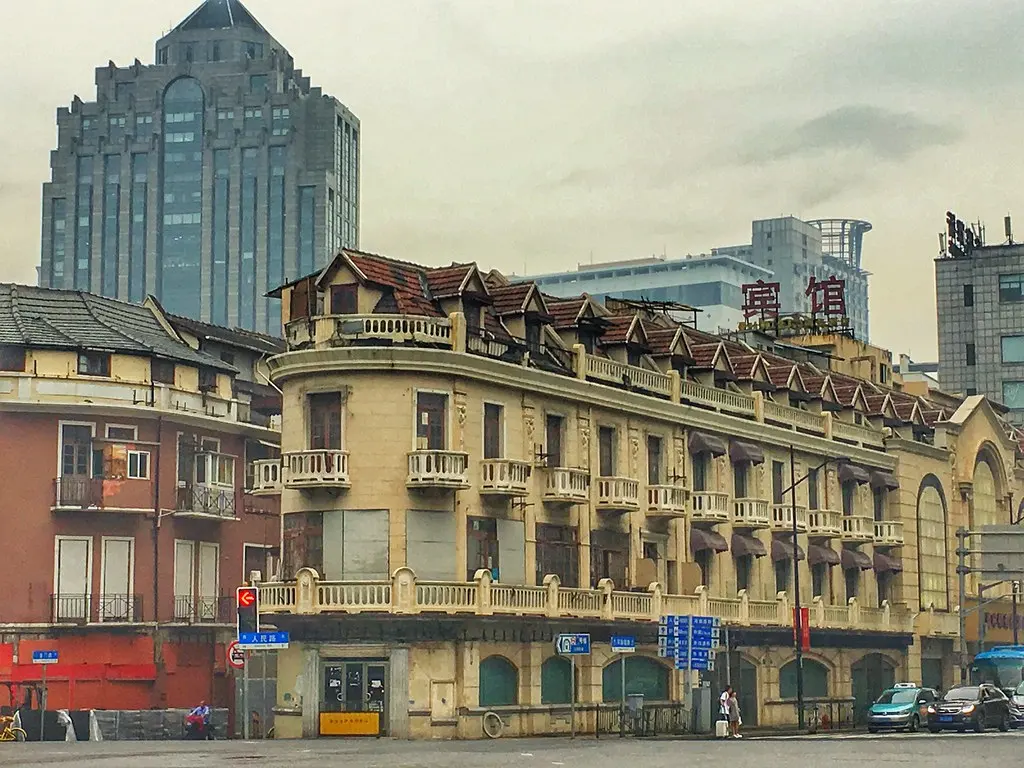
The urge to confront humanity’s darkest chapters is a complex, often uncomfortable, facet of our collective consciousness. ‘Dark tourism’ – visits to sites associated with death, disaster, or atrocity – draws millions annually, from Auschwitz-Birkenau to the 9/11 Memorial. Yet, the challenge for architects, curators, and policymakers remains: how to design these spaces not merely as attractions, but as profound educational and commemorative landscapes, fostering understanding without sensationalizing suffering?
The answer lies in a meticulous, empathetic design philosophy that prioritizes authenticity, sobriety, and user experience. Consider the Hiroshima Peace Memorial Park. Designed by Kenzo Tange, its sparse, brutalist structures and expansive grounds guide visitors through a narrative of unimaginable destruction towards a plea for peace. The iconic A-Bomb Dome stands preserved, a raw, almost violent scar against the sky, while the Peace Memorial Museum inside offers a unflinching yet meticulously curated account of the bombing. There’s no grandstanding, no theatricality; only stark, factual presentation paired with the chilling reality of melted artifacts and survivor testimonies. The design forces reflection, urging contemplation rather than consumption.
Across the globe, this principle echoes. The Kigali Genocide Memorial in Rwanda exemplifies a similar sensitive approach. Here, the sheer scale of the atrocity is communicated through understated yet powerful means. Mass graves are covered respectfully, often with simple stone or grass, while internal exhibitions detail the historical context and individual stories of victims. The architecture is deliberately quiet, allowing the weight of the narrative to permeate. It’s not about shock value; it's about providing a solemn space for mourning and learning, preventing the reduction of immense human loss to a mere spectacle.
The Architecture of Empathy
Design choices, from materials to light, play a crucial role in shaping visitor perception. At the National September 11 Memorial & Museum in New York, the twin reflecting pools, sunk deep into the footprints of the original towers, create a void that is both profound and reverent. The cascading water, obscuring the foundations, effectively turns a scene of urban destruction into a sacred, contemplative space. The names of the victims, etched into bronze panels, are not just a list but an intimate, tangible connection to each life lost. This design choice, in its elegant simplicity, redirects focus from the mechanism of terror to its human cost.
This careful balance is particularly evident in disaster zones that have transitioned into memorial sites. The Tohoku region of Japan, devastated by the 2011 tsunami and earthquake, has seen the emergence of several initiatives that blend commemoration with resilience. In places like Rikuzentakata, where a lone pine tree remarkably survived the deluge, memorial parks are being developed not as static monuments, but as living landscapes. They integrate educational centres about disaster preparedness, while preserving damaged structures or their foundations as poignant reminders. Here, the design is not just about remembering the past, but actively shaping a safer future, turning trauma into tangible lessons.
"The most impactful dark tourism sites are not just about showing us what happened, but about making us feel why it must never happen again."
Ultimately, the success of a dark tourism site’s design is measured not by visitor numbers, but by the depth of engagement and reflection it inspires. It demands an ethical framework where the narrative is controlled by those who suffered or their descendants, where profit never overshadows purpose, and where authenticity is paramount. As more sites emerge from our complex history, the onus is on designers to continue refining this delicate art: building spaces that honour the dead, educate the living, and, in their quiet dignity, stand as eternal sentinels against forgetting.
Newsletter
Pacific Daily
A curated briefing from Thailand, Asia-Pacific and the world.