Dredging's Dark Shadow: Similan's Reefs and Routes Under Threat
The 2025 Andaman Sea dredging project casts a pall over pristine marine life and luxury yachting's future.
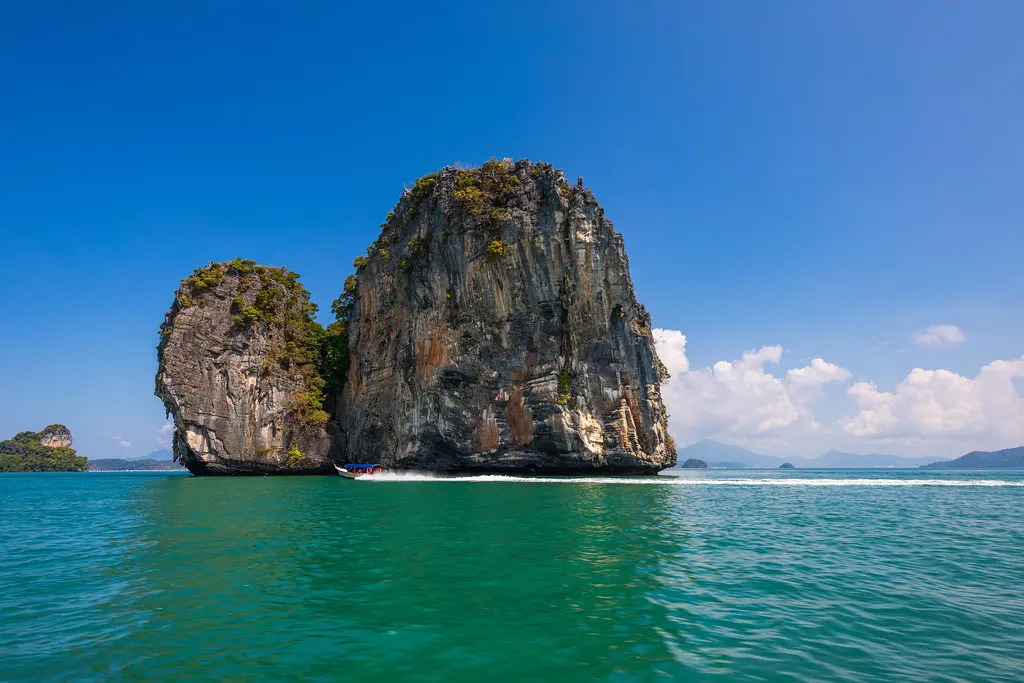
PHUKET, THAILAND – From the polished teak decks of the M/Y "Andaman Pearl," anchored near Koh Tachai, the coral gardens below shimmered with an almost otherworldly luminescence. Surgeonfish darted through sea fans, and a majestic manta ray glided effortlessly past, a tableau of the natural splendor that draws discerning yacht owners and charter guests to Thailand’s Andaman Sea. This idyllic scene, however, now hangs precariously in the balance as the ambitious, and controversial, 2025 Andaman Sea dredging project looms large.
Officially touted as a necessary infrastructure upgrade to deepen shipping lanes into Ranong port and accommodate larger commercial vessels, the project’s environmental impact assessment (EIA) has been met with both skepticism and alarm within the marine conservation and luxury yachting communities. My recent conversations with seasoned captains and marine biologists paint a grim picture, far removed from the government’s assurances.
Captain Lars Knudsen, a Danish skipper with over two decades navigating these waters, expressed his frustration vehemently last week over sundowners at the Ao Po Grand Marina. “They talk about ‘minimal disruption,’ but minimal for whom? For the luxury yacht sector, the Similans are our crown jewel. Our clients come for the pristine visibility, the untouched reefs, the sheer abundance of marine life. If you dredge within a 50-kilometre radius, the sediment plumes alone will smother everything for miles. We’re talking about a multi-year impact, not a temporary inconvenience.” Knudsen’s sentiment echoes a growing chorus of concern amongst the 150+ superyachts that frequent Thai waters annually, each contributing millions to the local economy.
The Silent Suffocation Below
Dr. Anya Sharma, a marine ecologist based at the Phuket Marine Biological Center, has spent the last five years meticulously documenting the health of the Similan National Park’s coral ecosystems. When I met her dockside at Chalong Pier, the usually vibrant scientist was visibly distraught. “Our preliminary models, based on similar large-scale dredging operations globally, predict a significant increase in turbidity for at least two to three years post-dredging. This isn’t just murky water; it’s a death sentence for filter feeders and light-dependent corals,” she explained, holding up a map dotted with red zones. “The Similan Islands, particularly sites like Christmas Point and East of Eden, are home to some of the most biodiverse hard and soft coral formations in Southeast Asia. A 30% reduction in sunlight penetration, which our models suggest, would trigger widespread coral bleaching and mortality. The subsequent sedimentation would then bury what remains.”
These are not abstract predictions. The devastating effects of dredging were starkly observed in Malaysia's Penang island, where reclamation projects led to irreversible damage to coastal ecosystems. While some government reports cursorily dismiss these concerns, arguing the Similans are “sufficiently distant,” Dr. Sharma argues that ocean currents and tidal flows ensure a far wider dispersal of sediment than acknowledged. “The currents here are powerful. We’ve tracked plumes from smaller projects travelling upwards of 70 kilometres. To suggest the Similans are immune is either ignorance or willful blindness.”
Rethinking Routes and Reputations
The implications for luxury yachting are profound. For an industry built on exclusivity and unspoiled natural beauty, a degraded Similan archipelago represents an existential threat. “Who will pay €200,000 a week to cruise through dead reefs?” queried a leading charter broker who wished to remain anonymous, citing potential backlash from investors. “Our bookings for 2025 and 2026 are already seeing hesitations. Clients are asking direct questions about the dredging. The damage isn't just ecological; it’s reputational for Thailand as a premier yachting destination.”
"The irony is that this 'progress' threatens to sink the very industries that showcase Thailand's natural treasures."
As the January 2025 start date approaches, the battle for the Andaman Sea’s soul intensifies. Environmental groups are mobilising, and the yachting community is quietly exploring alternative itineraries, eyeing destinations like Myanmar’s Mergui Archipelago or Indonesia’s Raja Ampat. The irony is that this 'progress,' intended to boost commercial shipping, threatens to sink the very industries that showcase Thailand's natural treasures and draw high-net-worth individuals to its shores. The question remains: can the allure of a deeper port outweigh the irreversible loss of a global marine jewel and the significant economic fallout for a vital tourism sector?
Newsletter
Pacific Daily
A curated briefing from Thailand, Asia-Pacific and the world.