Costa Rica's Water Deficit Signals Broad Climate Risk for Asia-Pacific Marine Operations
Persistent rainfall shortages in one region underscore increasing operational challenges linked to global climate patterns, with implications for maritime logistics and infrastructure in similarly vulnerable zones.
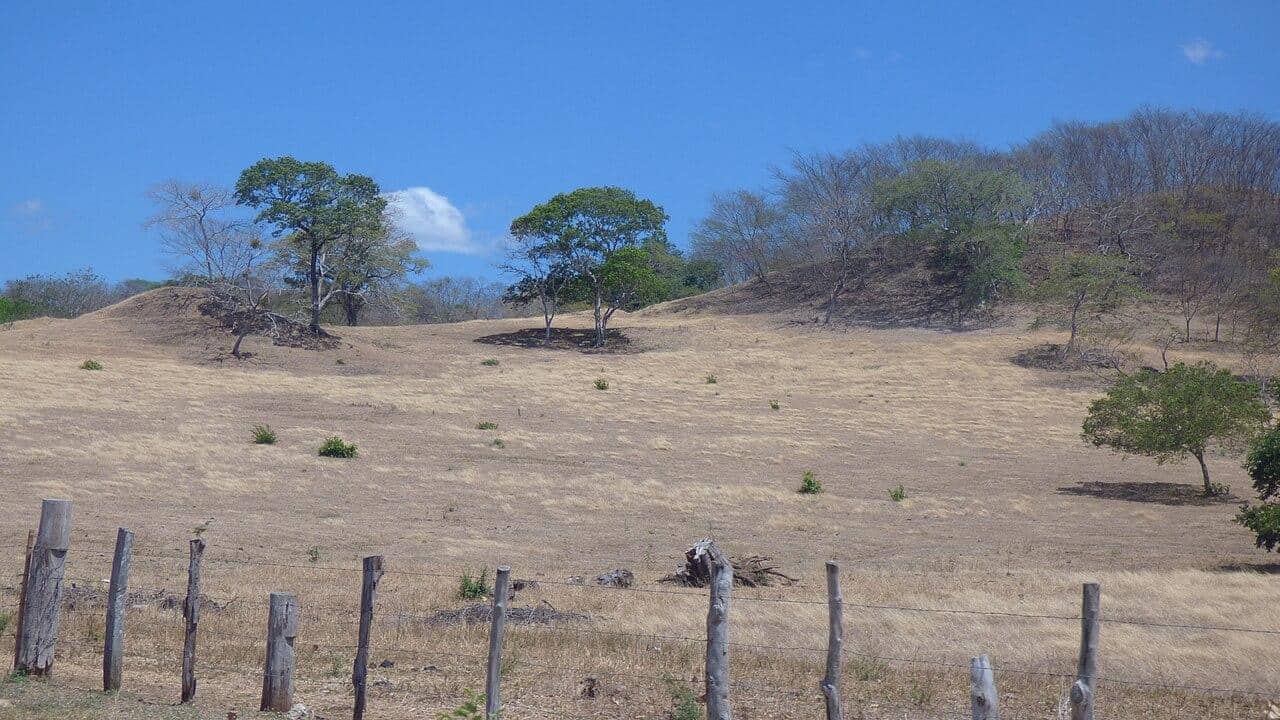
Costa Rica has placed 23 municipalities under an orange alert due to months of rainfall significantly below normal levels. An additional 51 municipalities are under yellow alert, meaning most of the country is now under some form of drought warning. The North Pacific region faces a particularly acute shortfall, with rainfall recorded at approximately 37% below its historical average. This deficit is linked to the El Niño phenomenon, raising immediate concerns for water supplies, agricultural output, and livestock, according to The Tico Times on September 19, 2026.
While the immediate impact is localized, the underlying climatic patterns carry broader implications for maritime operations across the Asia-Pacific. The El Niño cycle is a dominant driver of global weather phenomena, influencing sea surface temperatures and precipitation variability far beyond the Pacific equatorial zone. For marine industries in Southeast Asia, particularly those reliant on consistent water depths for navigation or stable shore-side infrastructure, such persistent climatic shifts represent an evolving operational risk.
Shifting Operating Parameters
Extended periods of drought, even in regions geographically distant from core maritime routes, can exert indirect pressure on supply chains. Agricultural shortfalls, for instance, translate into altered commodity flows and increased demand for maritime transport in other regions. More directly, for coastal facilities and port operations in Asia-Pacific countries that experience similar El Niño-driven precipitation anomalies, water scarcity can impact industrial processes, maintenance, and even crew welfare. While Costa Rica's North Pacific is experiencing a significant rainfall deficit, other parts of the world, including some in the Asia-Pacific, might face increased rainfall or altered storm patterns due to the same El Niño event, leading to different but equally disruptive challenges such as increased silting in channels or damage to coastal assets.
The critical question for marine operators is not merely the direct impact of localized weather events, but the broader signal these events send about predictable operating environments. The economic stability of maritime infrastructure, from yacht marinas to commercial ports, is predicated on a degree of environmental predictability. When rainfall patterns become significantly altered, the costs associated with dredging, water management, and infrastructure resilience can escalate. The current situation in Costa Rica serves as an indication that previous climate baselines for operational planning are becoming less reliable. The ongoing challenge for maritime stakeholders in the Asia-Pacific will be to integrate these shifting environmental parameters into long-term strategic and financial planning, accounting for increased variability rather than assuming historical norms.
Sources
Newsletter
Pacific Daily
A curated briefing from Thailand, Asia-Pacific and the world.