Commercial Spectacle Blurs Royal Tradition for Bangkok's Visitors
The Royal Barge Procession exhibition at ICONSIAM presents a curated version of Thai heritage, raising questions about accessibility and the roles of public and private spheres.
BANGKOK
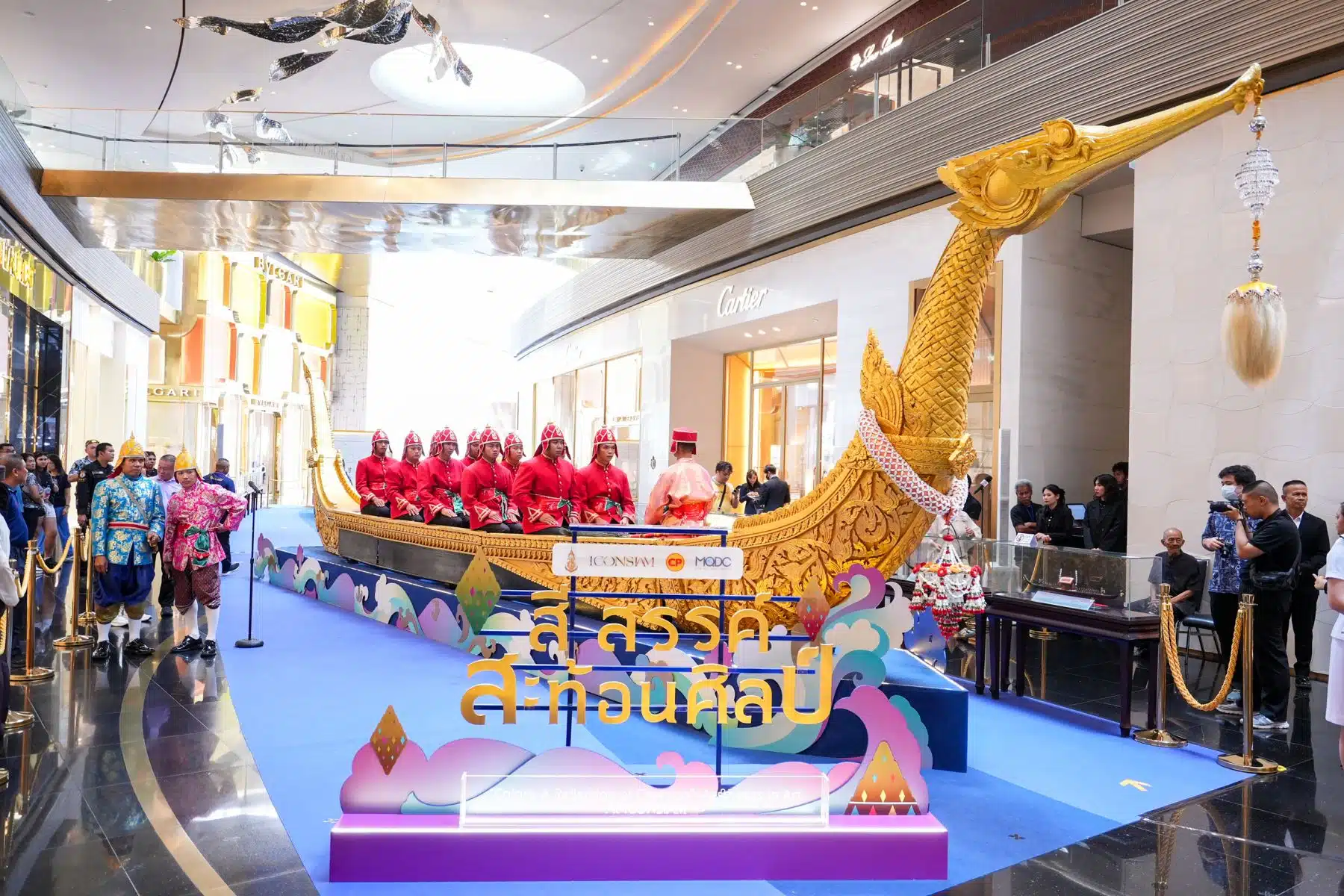
The “Colors, A Reflection of Creation: The Royal Barge Procession” exhibition, running from September 28 to November 8, 2026, at ICONLUXE, M Floor, ICONSIAM, is presented as an opportunity to learn about Thailand’s royal traditions. The Royal Thai Navy, in collaboration with ICONSIAM, is inviting the public, students, and both Thai and international visitors to this event. While framed as a cultural offering, its setting within a major commercial landmark on the Chao Phraya raises questions about who truly benefits from such a presentation of national heritage.
The stated purpose of the exhibition, according to its organisers, is to embody the nation’s history, artistic heritage, cultural identity, and craftsmanship passed down through generations. This is a significant claim for an event hosted in a shopping mall. The Royal Barge Procession is undeniably an important royal tradition, one with deep ceremonial roots. To place its public face within a retail environment like ICONSIAM, which caters to affluent consumers and tourists, shapes the public’s engagement with this tradition. The exhibition itself, being free, suggests broad accessibility. However, the destination – a large, modern shopping complex – implicitly selects its audience. For many Thais, access to such a venue can be a practical barrier, not due to an entrance fee, but due to travel costs, time, and the general economic calculus of visiting a luxury retail space.
This collaboration between the Royal Thai Navy and a private commercial entity highlights a particular method of cultural dissemination. On one hand, it makes an aspect of royal tradition visible to a wider audience, including international visitors who might otherwise not seek out such information. On the other hand, it integrates this tradition into a consumer-oriented narrative, where cultural education becomes part of a broader entertainment or shopping excursion. This differs significantly from exhibitions held in state-funded museums or dedicated cultural centers, where the primary purpose is typically preservation and scholarly interpretation rather than foot traffic and commercial synergy.
The Cost of Convenience
The choice to co-host with ICONSIAM is likely driven by the landmark’s high visitor numbers and prominent location. The Thaiger reported on October 9, 2026, that the event aims to reach a diverse audience. Yet, this convenience comes with an unstated cost: the framing of a profound national ritual within a commercial context. The exhibition, described as a prelude to the Royal Kathin Ceremony Procession, runs for over a month, suggesting a sustained effort to draw visitors. While the organisers describe the Procession as embodying the nation's heritage, they do not articulate how this embodiment is preserved or altered when presented alongside retail promotions and consumer attractions.
The real weight of maintaining and presenting these traditions typically falls to institutions like the Royal Thai Navy. When a commercial partner becomes central to this public presentation, the underlying intent can become ambiguous. Is the primary goal to educate, or to leverage cultural interest for commercial advantage? The event does not directly promote products, but its presence undoubtedly drives traffic to ICONSIAM. This approach risks reducing a complex cultural tradition to a visually appealing spectacle, readily consumed by visitors without necessarily fostering deeper understanding of its historical or ceremonial significance. The question remains: who pays the social cost when cultural patrimony is primarily showcased in spaces designed for commerce?
Sources
Newsletter
Pacific Daily
A curated briefing from Thailand, Asia-Pacific and the world.