Civic Fatigue: The Price of Choice in Local Governance
Vancouver's municipal election highlights a dilemma for urban democracy: when an abundance of candidates overwhelms, voter participation may suffer, raising questions for cities across the Pacific Rim.
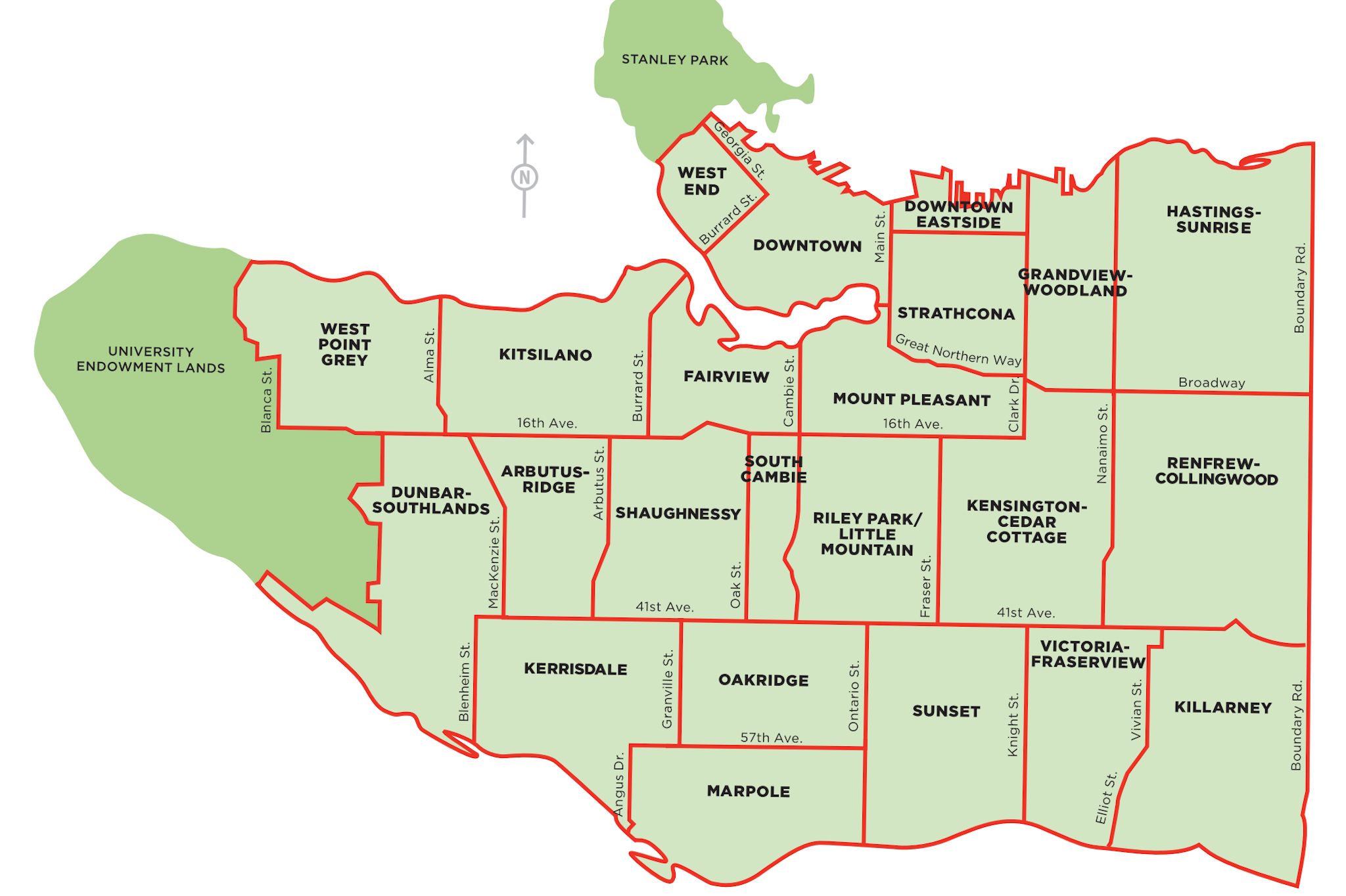
The upcoming municipal election in Vancouver presents a striking image of civic engagement, or perhaps, its potential unraveling. Penny Gurstein, a professor emeritus at the School of Community and Regional Planning and a founding director of the Housing Research Collaborative at the University of British Columbia, describes her bewilderment regarding the process. With seven political parties and independents fielding a total of 130 candidates across slates for mayor, Vancouver City Council, Vancouver Park Board, and Vancouver School Board, the sheer scale of choice is notable.
This volume of candidates, as Gurstein suggests in her writing for Daily Hive Urbanized, challenges the public's capacity to engage responsibly. The implied demand on voters to spend hours analyzing numerous websites to form an informed opinion is a considerable burden. Such a system, while ostensibly democratic in offering extensive choice, risks creating a form of decision paralysis. When the effort required to make an informed decision becomes too great, it can lead to voter fatigue, or a reliance on superficial cues rather than substantive policy analysis.
Cities across the Pacific Rim, including those in Thailand, often grapple with their own iterations of local governance and citizen participation. The concept of an electoral system so saturated with options can be viewed from multiple perspectives. On one hand, it indicates a vibrant political landscape where various groups feel empowered to contend for public office. New political parties, with three formed specifically for this Vancouver election, suggest a dynamic, if complex, political ecosystem responding to perceived gaps in representation.
However, the central concern articulated is not about the right to stand for election, but the practical implications for the voter. A system that offers 130 candidates for local offices might, paradoxically, disenfranchise voters by making the act of voting too onerous. This is distinct from a lack of options; it is an overabundance that blurs distinctions and obscures clear policy directions. The result could be a decline in voter engagement, or outcomes dictated by name recognition and campaign spending rather than considered policy platforms.
A ward system, as proposed by Gurstein, suggests an alternative approach to decentralize political focus, allowing neighborhoods a more direct voice and potentially reducing the number of candidates per specific geographical area. This model could localize accountability, making it easier for citizens to connect with their representatives and understand their local political landscape. It asks whether the current system, in its pursuit of broad representation, inadvertently creates a barrier to effective engagement. The challenge for urban centers is to balance inclusive participation with practical accessibility for the electorate.
The Vancouver situation underlines a tension between democratic ideals and the realities of civic participation. It prompts a question for other urban centers: what is the optimal level of choice in local elections before it becomes an impediment? The issue is not the presence of diverse voices, but the clarity with which those voices can be heard and assessed by the electorate. This balance remains an unresolved consideration in the evolution of urban governance.
Sources
Newsletter
Pacific Daily
A curated briefing from Thailand, Asia-Pacific and the world.