Vancouver's 'Fin-tastic Fall' and the Fading Local Seasons
Amid global tensions and shifting alliances, urban centers increasingly package natural cycles as themed events, subtly altering our connection to the environment.
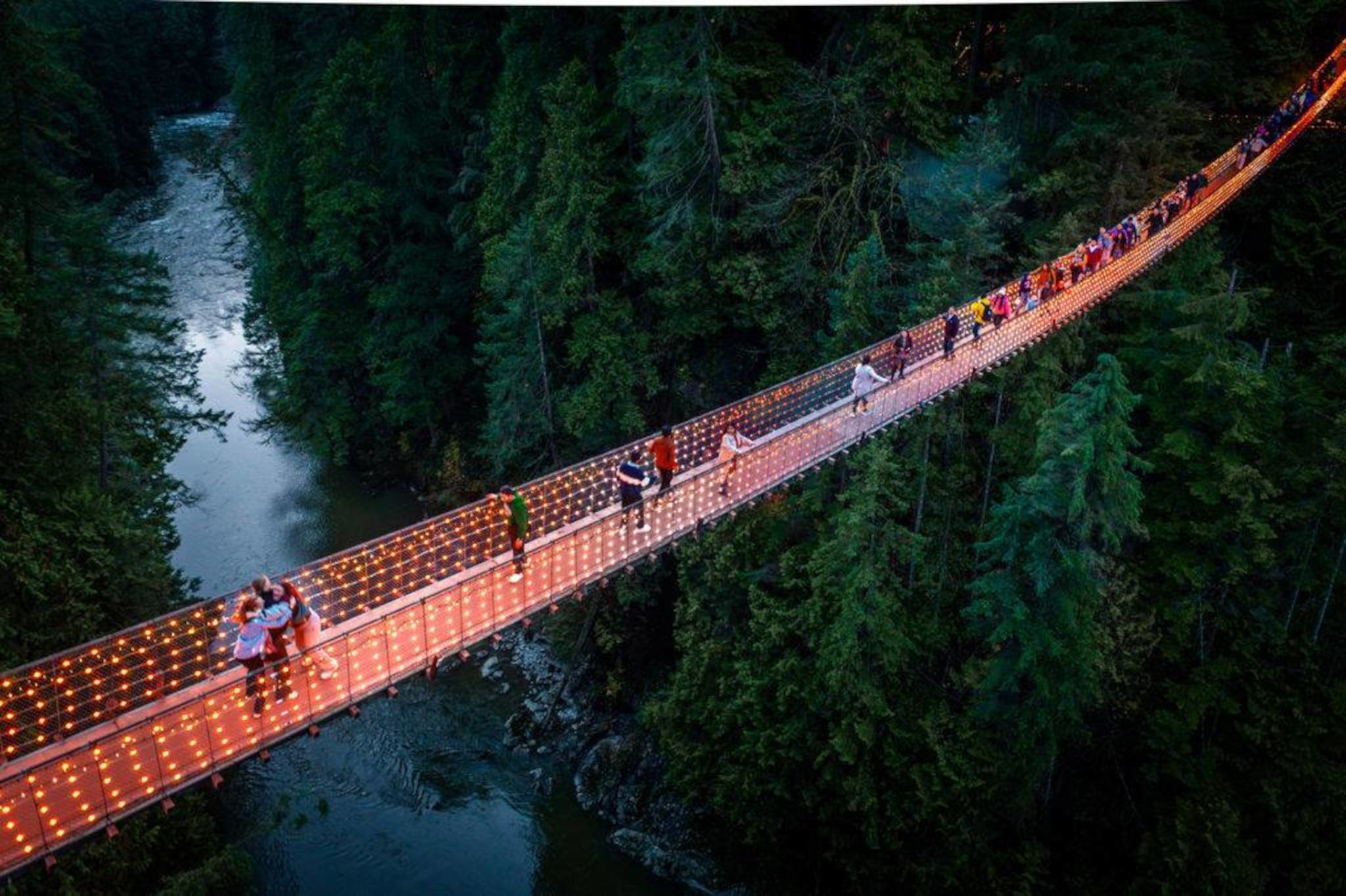
In Vancouver, the arrival of autumn is framed as “Fin-tastic Fall Days” at the local aquarium, inviting visitors to observe 65,000 aquatic animals and participate in “all-ages programming.” This approach to marking seasonal change, through curated events like daily animal feeds and divers carving "jaw-dropping Jack-O-Lanterns beneath the waves," reflects a broader urban tendency to present natural cycles as consumer experiences. The Daily Hive Vancouver, on October 3, 2026, highlighted this alongside a list of 41 other activities, ranging from “Halloween haunts” to “epic concerts” and “delicious food events.” This catalog of curated experiences suggests a prevailing cultural shift: the quiet replacement of organic engagement with the seasons by a series of structured, ticketed attractions.
Historically, the changing seasons shaped community life, dictating agricultural rhythms, festivals, and daily routines. The transition to autumn, for instance, once prompted local harvests and preparations for cooler weather, inherently connecting people to their immediate surroundings. Now, in a city like Vancouver, the seasonal experience is increasingly mediated, becoming another item on a list of "fun and fantastic things to do." The emphasis shifts from simply being present in the environment to consuming an event about it. This is not isolated to North America; a similar pattern can be observed in various Asian urban centers, where traditional observances of seasonal shifts are often supplanted by commercial festivals or highly produced spectacles.
The context for such cultural shifts extends beyond local entertainment. The world around these urban centers is marked by significant geopolitical maneuvering. Recent reports from late October 2025 detail US military strikes against suspected drug vessels in the eastern Pacific Ocean, with one report citing 14 deaths, according to Hegseth. Separately, in October 2025, Reuters reported that a critical minerals agreement was signed between the US and Australia, aimed at countering China. These developments, occurring concurrently with the commercialization of natural phenomena, underscore a complex global environment where human-nature interactions are increasingly structured, whether through curated events or through strategic resource allocation and military actions.
While the aquarium’s “Fin-tastic Fall Days” offers a form of public engagement, it also implies a distance. The natural world is no longer simply lived in; it is visited and consumed as entertainment, managed and presented to an audience. This contrasts with more traditional, informal acknowledgements of autumn’s arrival, where the focus lay on collective adaptation and celebration tied directly to the land. The current trend suggests a movement toward a world where seasonal experiences are less about participation in natural processes and more about observation of controlled environments. It is a subtle but persistent reframing of our relationship with the world outside.
Sources
Newsletter
Pacific Daily
A curated briefing from Thailand, Asia-Pacific and the world.