Civic Endurance on the Trails of Hong Kong
Chow Yun Fat's participation in the 20km Oxfam Trailwalker underscores how public ritual and cultural figures sustain communal space.
HONG KONG
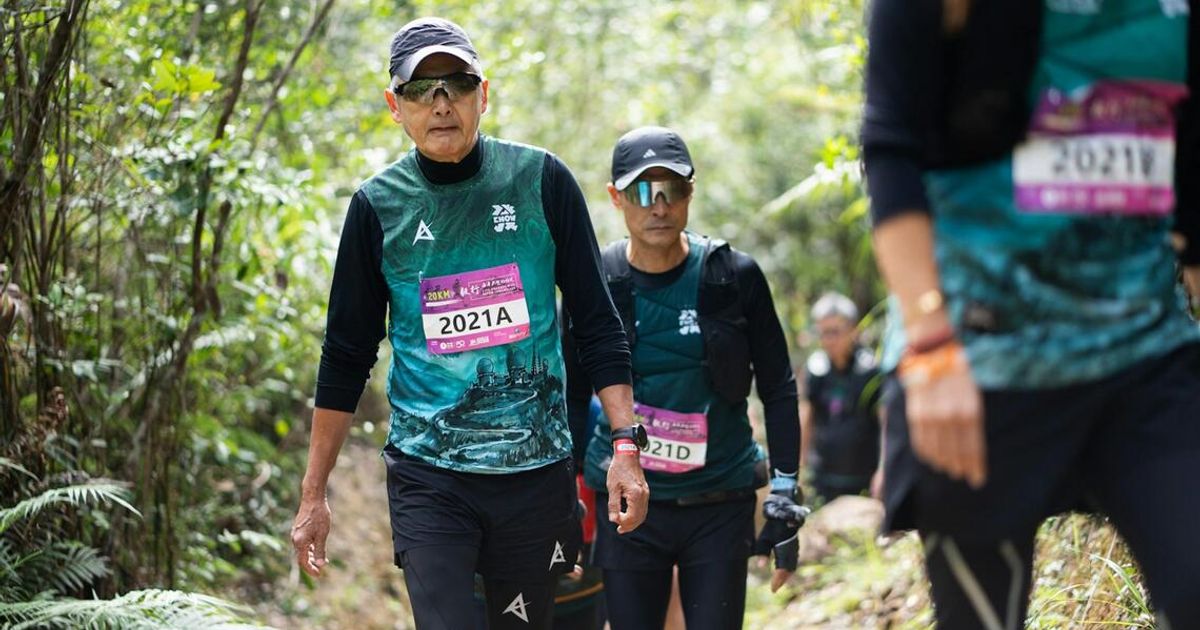
Public endurance events in Hong Kong have long functioned as barometers of communal resilience rather than mere athletic contests. When 71-year-old actor Chow Yun Fat completed the newly introduced 20km category at Oxfam Trailwalker 2026 in 6 hours and 23 minutes, the event recorded more than a celebrity finish. The physical passage across the New Territories represents a continuing practice of collective visibility in a territory where public gatherings have faced structural constriction.
The race commenced on Nov 20 at Rotary Park in Tai Mo Shan and concluded at Harrow International School Hong Kong in Tuen Mun. Teams of four were required to navigate the designated trail within an eight-hour cutoff. Accompanied by members of his running club, Chow described the experience as “very fun” and noted that his group adopted a leisurely approach without an explicit competitive strategy. Cultural figures including Raymond Wong and Calvin Choy of Grasshopper occupy parallel positions within Hong Kong's popular memory, which extends back through films such as the 1989 release God Of Gamblers.
The Mechanics of Public Visibility
Athletic participation by cinema veterans often attracts superficial coverage focused purely on individual longevity. Such framing obscures the operational function of the territory's trail network. Over recent decades, organized outdoor treks have provided civic platforms that remain broadly accessible, crossing administrative districts from the heights of Tai Mo Shan to the periphery of Tuen Mun.
What changes during these gatherings is not formal policy, but the sustained deployment of civic presence. When prominent personalities engage in organized mass walking, they activate shared public infrastructure that relies on cooperative team participation. The regulations governing Oxfam Trailwalker deliberately require teams of four to register and finish together, enforcing mutual reliance across diverse terrain.
Skeptics may argue that a recreational trail walk bears no structural weight in regional affairs, representing nothing more than elite leisure activity detached from broader social pressures. Mass participation sport, under this skeptical view, provides an innocuous diversion rather than meaningful social cohesion.
Civic Space Under Constraint
Yet dismissal overlooks how shared social rituals operate across Asian urban centers confronting rapid institutional realignments. In communities experiencing civic retreat, informal gathering points and non-political sporting rituals absorb an outsized burden of communal continuity. The trail route offers an enduring zone where public interaction proceeds without institutional choreography.
Maintaining these shared spaces requires continuous public investment and unencumbered civilian access. Whether Hong Kong's civic sporting traditions can retain their grassroots character alongside tightening logistical oversight remains the principal unresolved friction across the territory's hillsides.
Sources
Newsletter
Pacific Daily
A curated briefing from Thailand, Asia-Pacific and the world.