Celebrity Ventures: Branding, Borders, and Bureaucracy in Asia-Pacific Cuisine
The expansion of a Hong Kong actor’s roast meat business into Malaysia, marked by both rapid popularity and a temporary regulatory closure, illuminates the nuanced challenges of cross-border culinary enterprise.
SINGAPORE
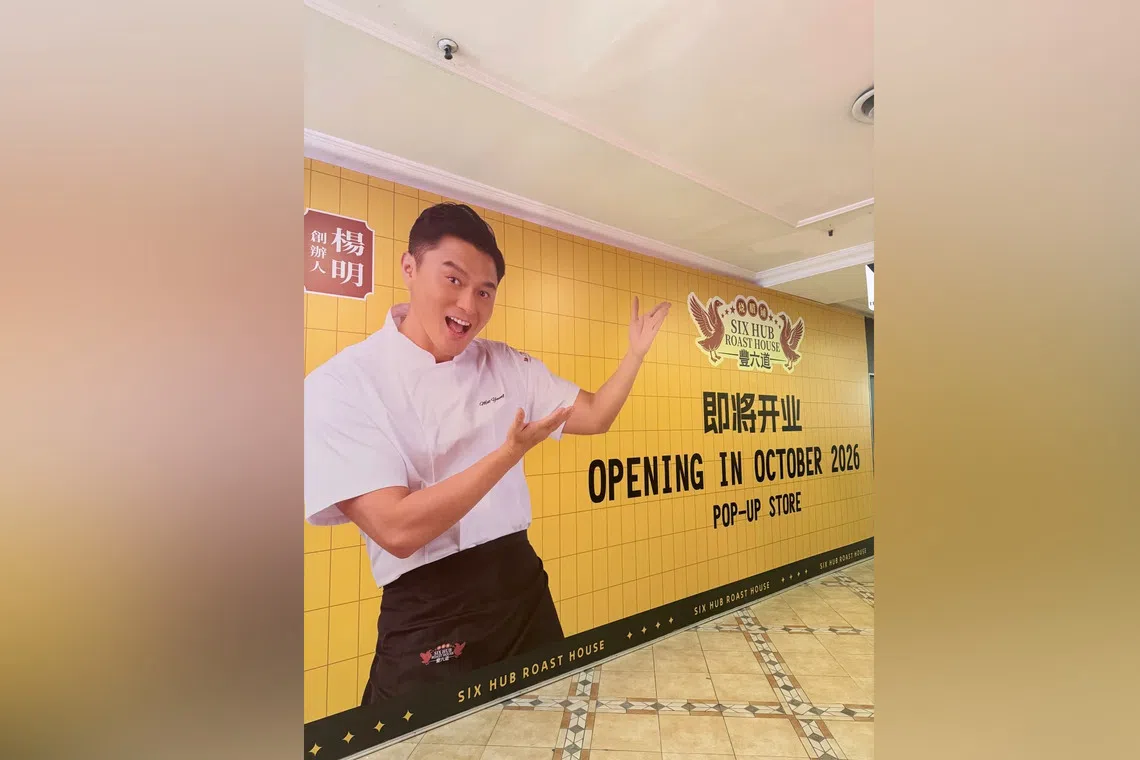
The reported expansion of Hong Kong actor Mat Yeung's roast meat enterprise into Malaysia, with a second outlet in Sunway Pyramid expected to open in October, offers a precise observation on how celebrity endorsement intersects with the practicalities of regional commerce. His initial restaurant in SS2, Petaling Jaya, reportedly attracted a steady stream of diners since its opening in August, a fact that suggests immediate market interest. The upcoming pop-up marks a further step in this expansion.
However, the venture has not been without friction. The original SS2 restaurant experienced a temporary closure due to public space issues, as noted just ten days after its grand opening. While The Straits Times Life (2026-09-21) states it remains popular with long queues and strong customer demand, this incident highlights a tension between the immediate success of a celebrity-backed business and the regulatory landscape it must navigate. The reported popularity of Mat Yeung serving customers in July perhaps demonstrates the power of personal involvement in a new market.
This movement of cultural figures into cross-border business is not isolated. Malaysian-born actor Christopher Lee, for instance, reunited with Singaporean wife Fann Wong on screen after 17 years, illustrating enduring regional connections in entertainment. Similarly, Chinese actress Tian Xiwei’s reported preference for a Malaysian biscuit indicates a broader cultural exchange. The difference here lies in the direct commercial investment, which exposes the enterprise to local administrative scrutiny.
The implied argument from the swift expansion, despite an early setback, is that celebrity capital can overcome, or at least absorb, initial operational challenges. This relies on the assumption that customer demand, driven by recognition and the specific offering of Hong Kong-style char siew and pepper roast duck, will consistently outweigh the overhead of regulatory compliance or public space negotiations. Yet, the temporary closure of the first location just ten days after its grand opening demonstrates that celebrity influence does not fully insulate a commercial venture from local governance. The ongoing popularity of the SS2 location, as reported, suggests a certain resilience, but the underlying vulnerability to such issues remains. The pop-up at Sunway Pyramid, by its nature, may offer a lower-risk entry point, yet it does not resolve the broader question of sustained, large-scale operation under varied local conditions.
Sources
Newsletter
Pacific Daily
A curated briefing from Thailand, Asia-Pacific and the world.