Beyond the Canvas: The Shifting Geography of Asia's Art Scene
Maebashi Biennale's emergence prompts questions for Bangkok's regional appeal.
SINGAPORE
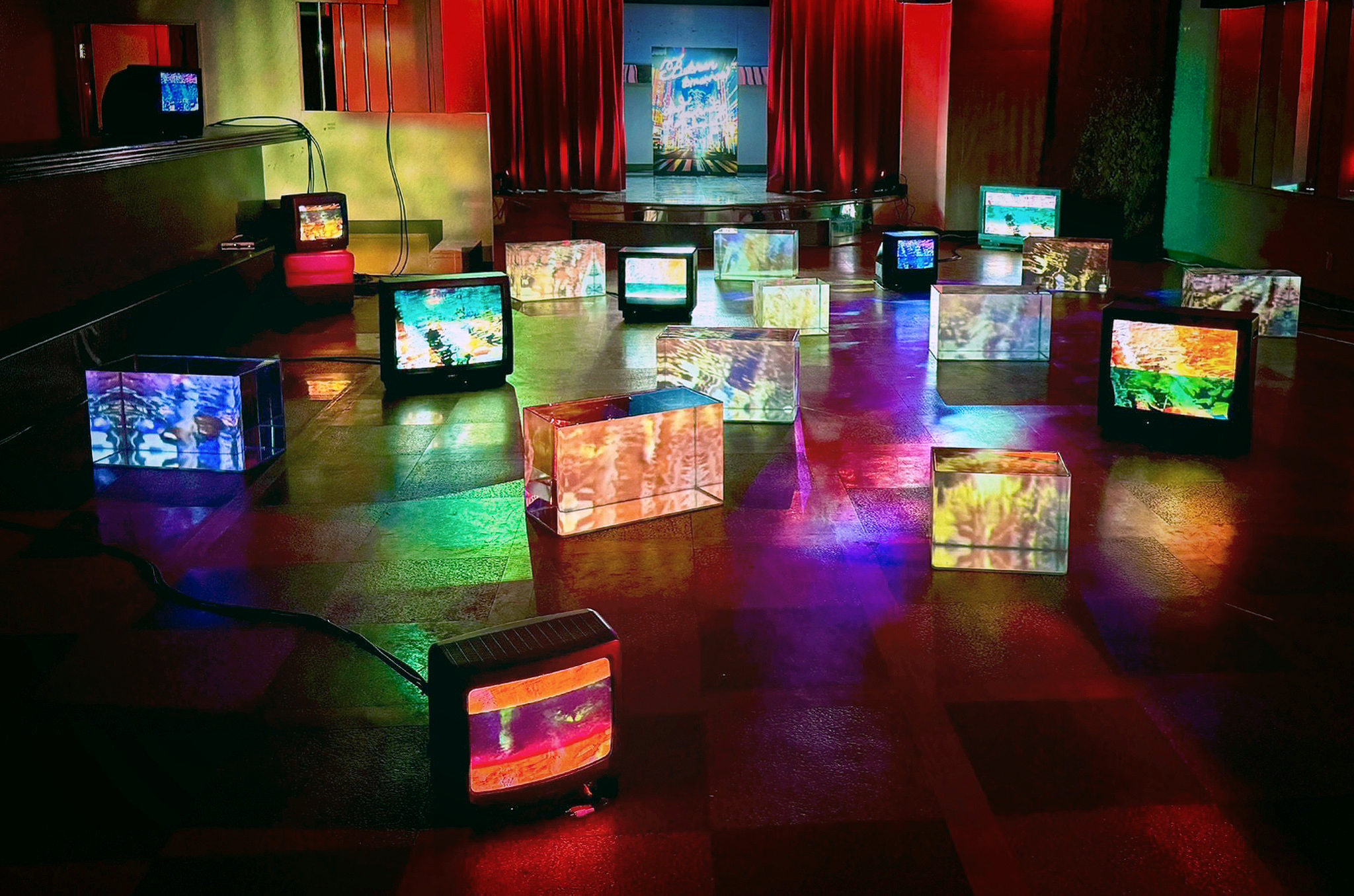
The announcement of the Maebashi Biennale 2026, described as an event concentrating art within a 'walkable field of discovery', suggests a quiet but significant shift in how cultural destinations emerge across Asia.
Historically, cities like Bangkok have leveraged their cultural infrastructure and accessibility to attract expatriates and tourists interested in the arts. However, the focus on a Japanese city like Maebashi, explicitly presented as a 'new art destination', indicates a strategy to decentralize and diversify cultural offerings beyond traditional hubs. This development, as reported by Tokyo Weekender, positions Maebashi as a compact, high-concentration art event, contrasting with what might be perceived as more dispersed cultural experiences in larger urban centers.
The implication for a city like Bangkok is a potential re-evaluation of its appeal to the 'expat life' demographic and art enthusiasts. If new, focused art destinations gain traction, the competition for cultural tourism and the associated expat community may intensify. The Maebashi Biennale's approach, emphasizing an intensive, localized experience, could appeal to those seeking a distinct cultural immersion that differs from the broader, often more commercialized, art scenes of major capitals.
Some might argue that Bangkok's established position, its existing gallery infrastructure, and its diverse cultural heritage provide a sufficient buffer against such new regional entries. Its appeal is broad, encompassing various aspects of 'expat life' beyond just art. However, this perspective may overlook the specific segment of the market that values a curated, concentrated cultural event over a sprawling urban experience. The ‘discovery’ aspect highlighted by the Maebashi Biennale’s coverage suggests an experience designed for exploration, which could attract a different kind of visitor or resident than a city relying on its general appeal.
The challenge for cities like Bangkok is not necessarily to replicate such events, but to understand what 'new art destinations' like Maebashi offer that might capture a specific audience. The outcome will depend on whether this trend of focused, regional art events gains momentum and how established cultural centers adapt their own narratives to maintain relevance in a diversifying landscape of Asian arts and culture. What this actually changes in someone's month — whether they choose Maebashi over Bangkok for an art-focused trip, or even residence — remains to be seen.
Sources
Newsletter
Pacific Daily
A curated briefing from Thailand, Asia-Pacific and the world.