Pooh's Quiet Stand in the Competitive Landscape of Asian Sportsmanship
A figure skater, a plush bear, and the demands of global athletic spectacle.
SINGAPORE
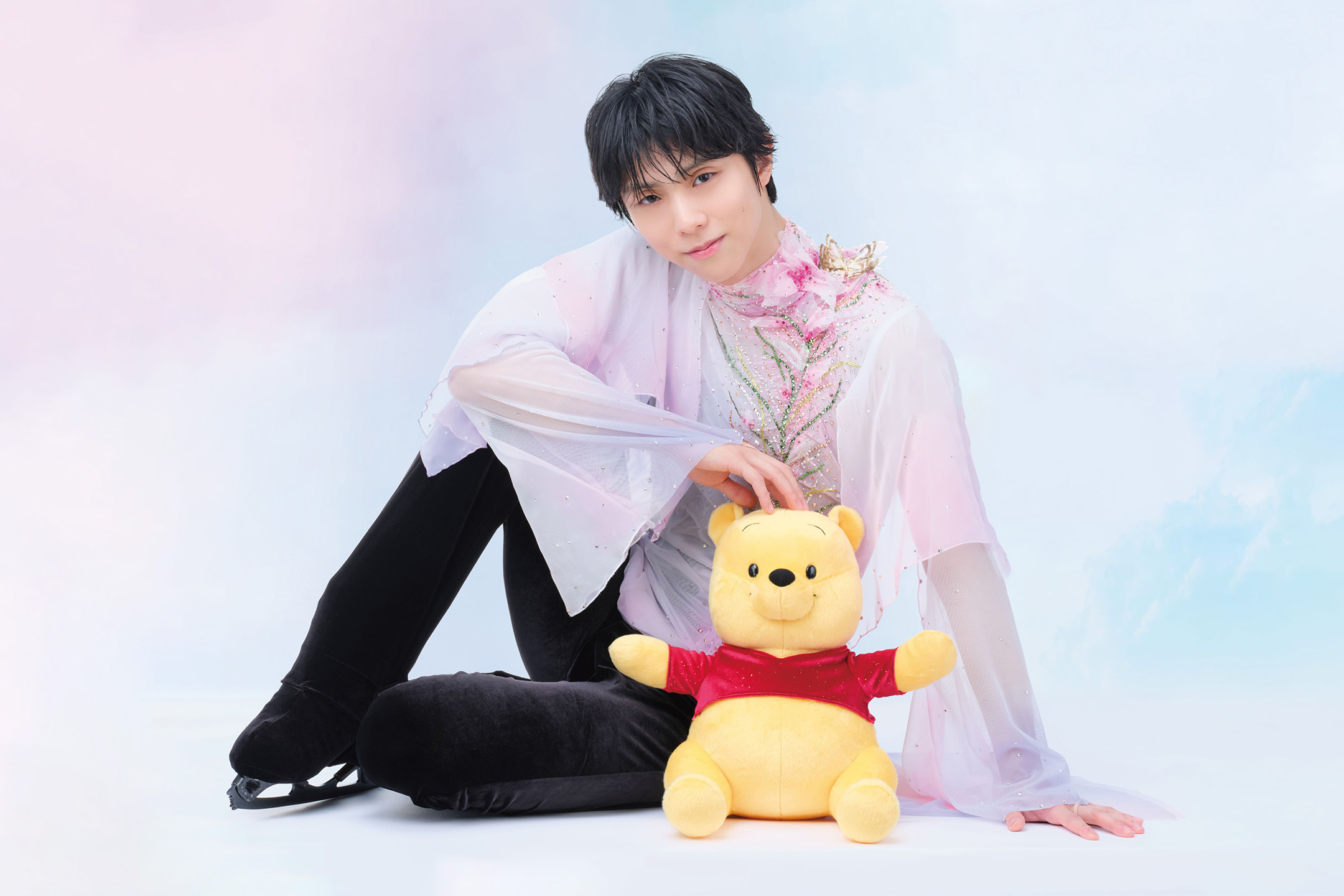
The image is simple yet potent: a plush Winnie the Pooh bear, a familiar sight at any Yuzuru Hanyu performance. It is a detail often noted, appearing alongside the Japanese figure skater as he collects flowers and gifts from the ice. This small, consistent presence, originating from his childhood affinity for the character, stands in quiet contrast to the immense pressure of international competition.
Hanyu, known across the globe as Japan’s “ice prince,” achieved his first Olympic gold medal at 19 years old at the 2014 Sochi games. He secured a second consecutive gold at the 2018 Pyeongchang games. These victories place him among highly successful athletes in his discipline, a status that brings with it a specific burden of expectation.
The global athletic stage, particularly within Asia, often demands an almost mythic perfection from its champions. The narrative built around figures like Hanyu emphasizes triumph, discipline, and national pride. The public persona, often meticulously crafted, rarely allows for visible vulnerability. The Straits Times notes that Olympic ice icons inspire new generations, a testament to the influence these athletes wield. Yet, beneath the veneer of invincibility, the individual navigates a relentless pursuit of excellence, often isolated by their own distinction.
Here, the Pooh bear serves as a remarkable counterpoint. It is not a symbol of conquest or a sponsorship, but a personal anchor. It represents a constant, a private comfort amidst the glare of public scrutiny and the rigors of training. The New York Times, in 2018, even framed a moment around “Winnie the Pooh vs. Soohorang,” highlighting the bear’s prominence in the narrative surrounding Hanyu’s Olympic presence. This small, yellow figure offers a glimpse into a humanity often overshadowed by athletic achievement. It suggests that even those who achieve distinction in sport carry with them simpler, more intimate needs for reassurance.
In the broader Asia-Pacific context, where competitive excellence is often equated with national honor and personal sacrifice, the Pooh bear offers a quiet lesson. It suggests that true strength might not solely reside in the ability to withstand pressure, but in the capacity to acknowledge and integrate moments of genuine, even childlike, comfort. This subtle interplay, between the formidable athlete and his unassuming companion, defines a different kind of strength—one that finds grounding in personal connection rather than solely in public adulation. It is a reminder that the most compelling narratives are often those that reveal the delicate balance between the extraordinary and the deeply human.
Sources
Newsletter
Pacific Daily
A curated briefing from Thailand, Asia-Pacific and the world.