Rebooted MasterChef Asia: Branding Strategy or Market Reconfiguration?
The return of MasterChef Asia prompts questions about the underlying commercial rationale for its revised format and distribution strategy, particularly regarding its implications for regional culinary market exposure.
SINGAPORE
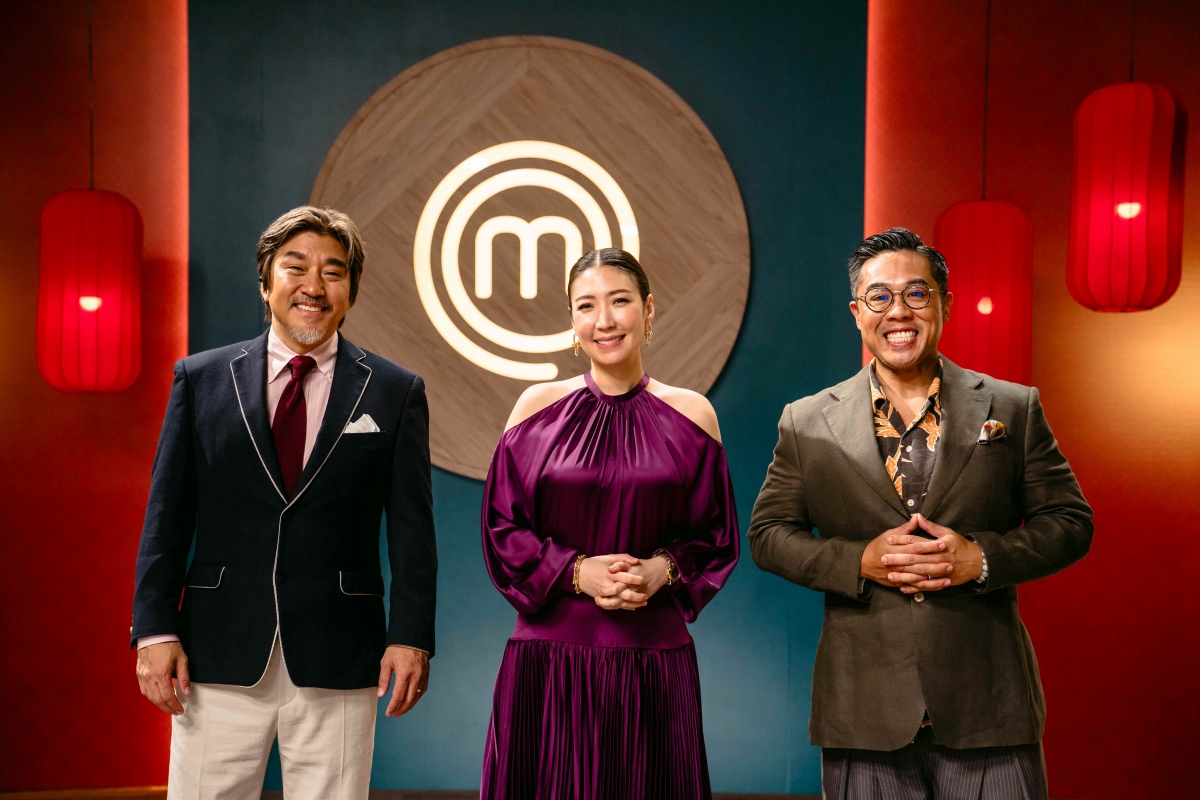
The revamped reality competition, MasterChef Asia, is set to premiere on HBO Max on September 22, followed by TLC and Discovery Channel on September 22 and 23. This 10-episode series, filmed in Macau, features former contestants competing for the MasterChef Asia title. Judges include Edward Lee, Pichaya 'Pam' Soontornyanakij, and Kelvin Cheung. Contestants such as Vietnamese-Australian chef Khanh Ong, Sahadol Pond Tantrapim, Malaysian pastry chef Marcus Low, and Korean gastronomy specialist Areum Yoon are participating.
The strategic shift to HBO Max, alongside traditional cable channels, indicates a dual-platform distribution model. This could aim to capture diverse audiences: streaming subscribers for deeper engagement, and linear television viewers for broader reach. However, the move also suggests a market test of how premium culinary content performs across different consumption patterns. The selection of former contestants, rather than new aspirants, implies a focus on established brand recognition within the MasterChef ecosystem. This approach reduces the risk associated with unknown talent but also limits the potential for discovery of new culinary personalities.
The involvement of specific judges and contestants, like Thai chef Pichaya 'Pam' Soontornyanakij and Sahadol Pond Tantrapim, provides local market visibility for Thailand, alongside broader regional representation from Malaysia, Vietnam, and Korea. The program's filming location in Macau provides a neutral backdrop, shifting emphasis from national identity to regional culinary competition. The decision to revamp the series occurs amidst broader changes in the global MasterChef franchise; BBC reports in 2025 and 2026 detailed new hosts for the UK version and a fall in opening show viewers for previous hosts, indicating a constant pressure to adapt formats and maintain audience interest.
From a market realist perspective, the yield assumption here is based on content licensing fees, advertising revenue from linear channels, and subscriber acquisition/retention metrics for HBO Max. The use of 'renowned Asian culinary giants' and 'international talent' is a marketing claim designed to elevate the show's perceived value and justify its multi-platform distribution. The core question for investors and content distributors is whether the fragmented viewership across streaming and linear platforms will collectively generate a return that outweighs the production costs, especially for a 'revamped' format that seeks to re-engage an audience base that has seen previous iterations.
The counterargument posits that this multi-channel release maximizes audience access and potential impact, leveraging the digital reach of HBO Max while maintaining traditional broadcast viewership. It is an attempt to diversify revenue streams and future-proof the franchise in a shifting media landscape. However, the precise financial implications of this dual strategy remain unstated. The ultimate outcome hinges on audience engagement metrics across all platforms and the ability to convert viewership into tangible commercial value for the broadcasters and the MasterChef brand itself.
Sources
Newsletter
Pacific Daily
A curated briefing from Thailand, Asia-Pacific and the world.