Beyond Clarke Quay: The Shifting Currents of Cultural Convergence
Singapore's temporary installations reveal how global brands navigate the Asia-Pacific.
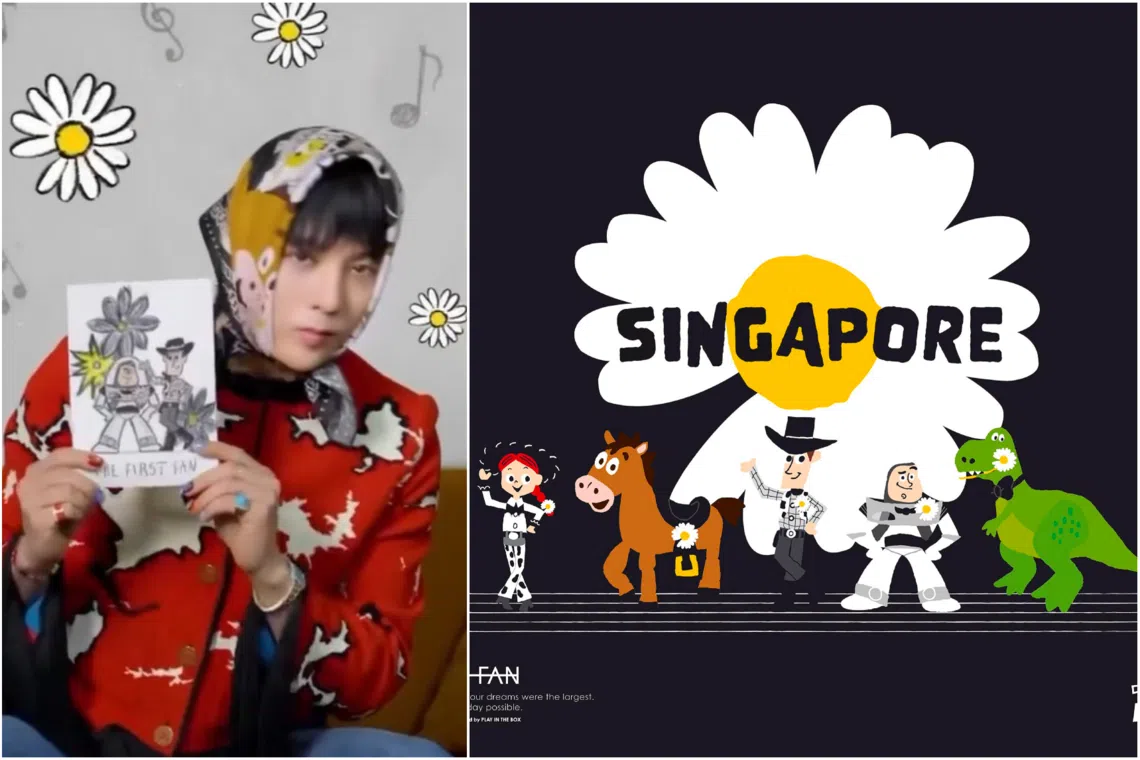
SINGAPORE
Within the urban landscape of Clarke Quay, Singapore, a specific type of cultural offering is set to manifest. From October 16 to November 11, a collaboration between G-Dragon’s Peaceminusone fashion label and Disney and Pixar’s ‘Toy Story’ franchise will open to the public. This event is described as its first stop in Southeast Asia, providing exclusive merchandise and interactive displays. The initiative marks Disney’s inaugural Asia-Pacific project with a K-pop artiste, creating joint products and retail events. Singapore-based Mighty Jaxx supports this venture. Coinciding with this, BigBang will perform in Singapore on October 17 and 18 as part of their Cosmos world tour, with a 2027 Disney+ documentary on G-Dragon’s career also planned.
This specific retail environment in Clarke Quay illustrates a particular evolution in brand engagement within the Asia-Pacific region. Historically, global cultural exports often followed a path with a primary focus on established markets. The current approach, however, suggests a more nuanced understanding of regional consumption patterns. Disney, a brand with a legacy spanning decades, is opting to collaborate with a K-pop figure whose influence is recognised across various Asian demographics. This is not simply about introducing Western intellectual property to an Asian audience; it is about localising the *method* of introduction. The decision to establish this event in Singapore, rather than a larger market, may reflect an assessment of factors such as consumer receptivity and logistical capabilities in a geographically contained hub.
The juxtaposition of an established animated franchise with a contemporary K-pop persona creates a cultural tension. ‘Toy Story’ is recognised for its narrative depth and technological advancements, while G-Dragon, through his brand Peaceminusone, operates at the forefront of popular culture. The synthesis of these elements aims to create a new commercial entity. While the event’s promoters might present this as a synergistic blend of creative forces, it can also be observed as a strategic move to leverage distinct fan bases. The question remains whether the primary draw is the nostalgic appeal of Pixar, the contemporary allure of K-pop, or the novelty of their combined presence.
This convergence, though specific to Singapore, reflects a broader shift across the Asia-Pacific. Brands are increasingly designing specific regional activations, moving beyond generic global rollouts. The pop-up model itself, temporary and curated, caters to a consumer habit that prioritises novel experiences and limited-edition items. It suggests that the perceived value lies not just in the product, but in the exclusivity of the access. For countries like Thailand, where consumer behaviour frequently mirrors trends seen in other Asian markets, such localised, event-driven commerce could become a more prevalent strategy for international brands. The primary challenge lies in discerning whether these events cultivate enduring cultural connections or merely capture transient attention. The commercial success will be tracked in sales figures and engagement metrics, but the cultural impact, specifically how consumers integrate these hybrid experiences into their daily lives, demands a longer observation. Clarke Quay, a site of transit and consumption, becomes a momentary focal point for this evolving pattern.
Sources
Newsletter
Pacific Daily
A curated briefing from Thailand, Asia-Pacific and the world.