On the Enduring Allure of Play in Asia's Consumption Patterns
A Japanese culinary trend reveals more about regional habits than one might expect.
SINGAPORE
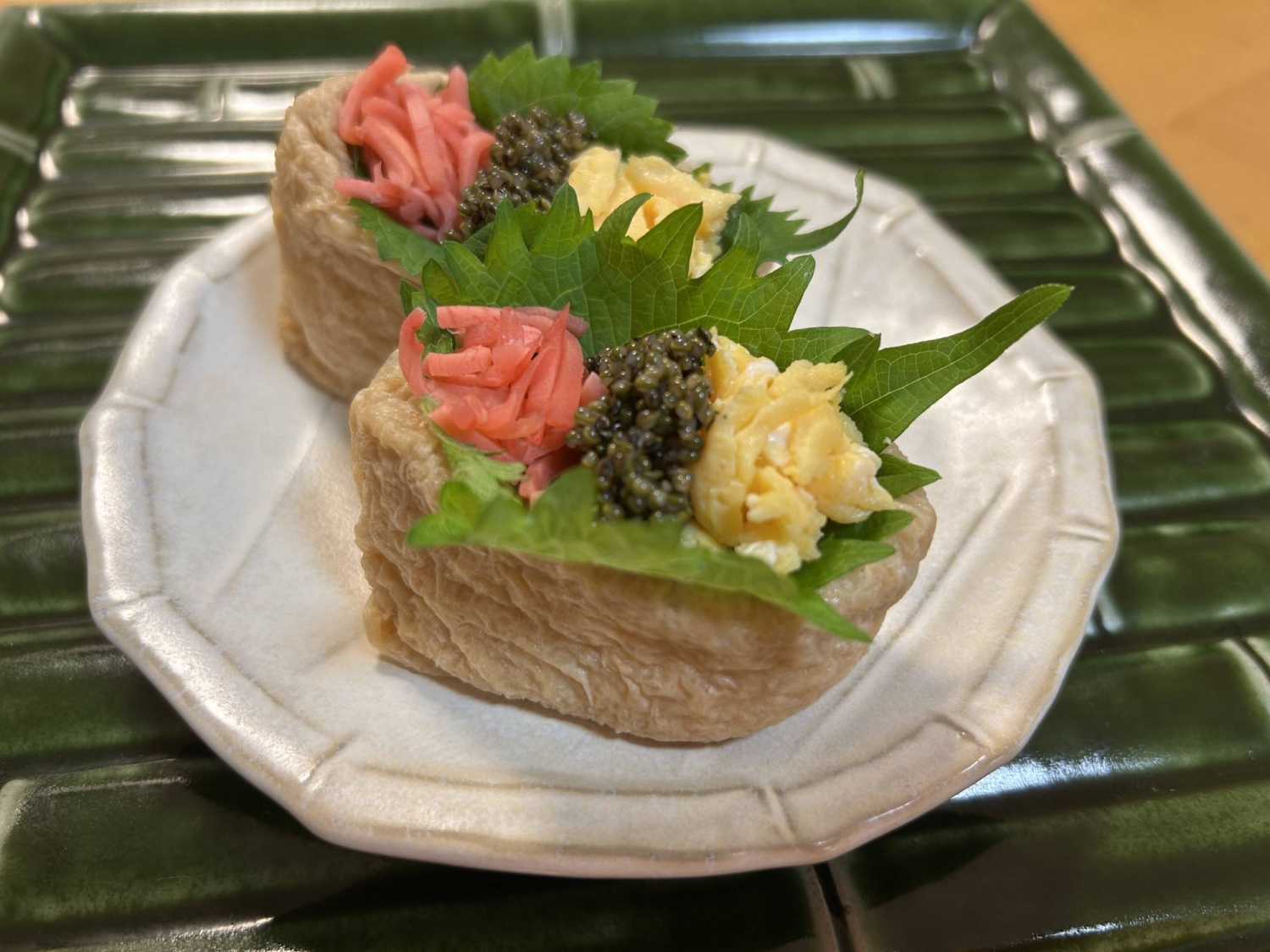
The appearance of “shinmai” in the coming weeks, traditionally signaling a period for culinary innovation in Japan, brings with it a specific recipe for stuffed sushi pockets. The Japan Times Life (2026-09-19) notes that these pockets possess a “show-off personality,” a descriptive phrase that points to an underlying cultural current.
Historically, Asian cultures have often imbued everyday objects, from food to functional tools, with aesthetic and narrative qualities that extend beyond their primary utility. This is not simply about presentation, but about an intrinsic value placed on how something is perceived and experienced. The “show-off personality” of a sushi pocket, then, is not an anomaly but a continuation of this pattern. It suggests a prevailing desire for items that are not merely consumed but also admired, perhaps even shared visually within social contexts.
This culinary inclination finds an echo in broader consumption trends observed across the region. China, for instance, has recently employed pets, anime, and toys as components in its national effort to boost consumption (Reuters, 2025-11-25). This policy recognizes that engagement with items of expressive or playful character can stimulate economic activity. Further evidence of this inclination manifests in the accidental creation of a “crying horse” toy that captured widespread attention in China (Reuters, 2026-01-25), and an abandoned baby monkey finding comfort in a stuffed orangutan, charming zoo visitors (Reuters, 2026-02-20). These seemingly disparate instances share a common thread: an emotional connection to objects that carry a narrative or evoke a sense of whimsy.
While the sushi pocket and a crying horse toy might appear to be vastly different in their origins and intent, their public reception highlights a collective appreciation for items that transcend mere function. The emphasis shifts from sustenance to spectacle, from practical use to playful interaction. For Thailand and the wider Asia-Pacific, this suggests that economic strategies and cultural productions that tap into this inclination for character-driven or narratively rich objects may resonate more deeply with consumers.
One might argue that such phenomena are simply a facet of global consumerism, where novelty and aesthetics are valued everywhere. However, the specific cultural frameworks in Asia, often emphasizing collective experience and the symbolic dimensions of objects, seem to amplify this tendency. The “cult sun cream” sought by travelers, as reported by the BBC (2026-07-05), also fits this pattern, suggesting that even utility-focused items can gain value from perceived scarcity or a specific, perhaps whimsical, identity. The demand here is not just for protection, but for participation in a narrative.
The enduring appeal lies not in the object's function alone, but in its capacity to participate in a shared narrative or evoke a collective sentiment of play.
Conversely, an event such as the tragic death of a Thai teen at Pattaya beach (Reuters, 2026-06-29) serves as a stark reminder that life, particularly for younger generations, is not always defined by such playful engagement. The harsh realities of certain circumstances exist independently of these cultural preferences. This counterpoint highlights the limitations of analyzing consumption patterns in isolation from the broader societal context, where different motivations and outcomes coexist.
Ultimately, the “show-off personality” of a sushi pocket, alongside the curated charm of toys and the aspirational appeal of niche products, collectively points to a persistent regional habit: the integration of play and narrative into daily life. This is not a new development, but a contemporary manifestation of a long-held cultural impulse to find meaning and connection through the objects that populate our world.
Sources
Newsletter
Pacific Daily
A curated briefing from Thailand, Asia-Pacific and the world.