Ballot Codes and the Price of Scrutiny
Treating citizen election observation as a national security threat shifts administrative failure onto public monitors
SINGAPORE
Electoral administration operates on a basic mechanical promise. Citizens cast ballots expecting procedural neutrality, while independent monitors watch the count to verify that votes match the tally. In Bangkok, that supervisory transaction has triggered a state security probe.
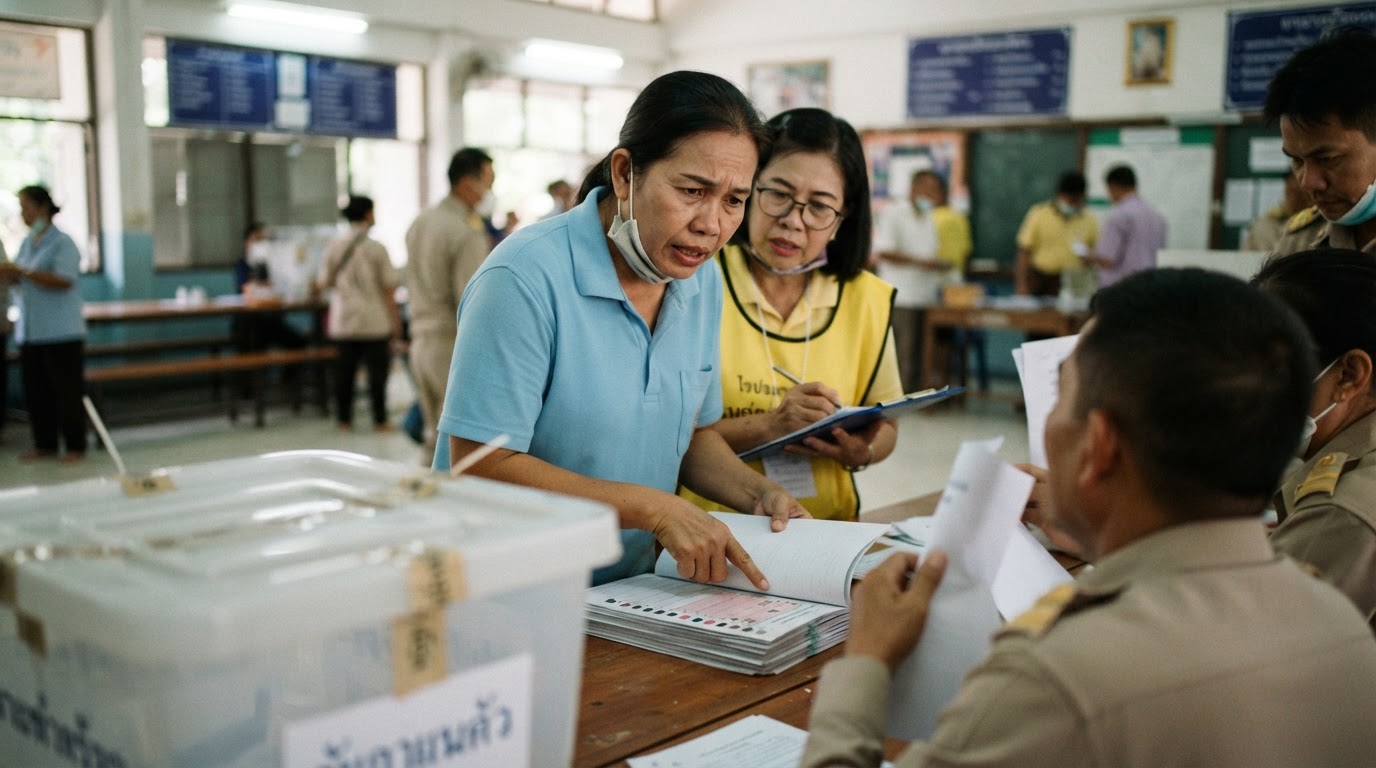
Thailand's Department of Special Investigation will examine a complaint seeking sedition charges against eight activists, according to the justice minister. The allegations center on an effort to decode ballot codes during a Bangkok by-election. Rather than treating technical ambiguity around coded slips as an administrative dispute, the justice apparatus has elevated procedural curiosity into a formal review under national security provisions. That choice shifts the operational burden of institutional opacity squarely onto civic observers.
Sedition laws exist to penalize attempts to overthrow government authority or create unlawful public unrest. When the Department of Special Investigation accepts complaints of this severity against election watchers, civic participation absorbs the blow directly. Volunteers who spend weekends tracking ballot boxes must suddenly weigh routine monitoring against the severe personal hazard of prolonged criminal interrogation.
The Architecture of Deterrence
Election authorities regularly argue that ballot security requires tight operational control. Serial numbers, barcodes and automated markers help returning officers track custody and deter fraud across busy counting rooms. From an administrative angle, unapproved attempts to parse or photograph coded sheets could disrupt polling station routines or breach handling guidelines. Protecting procedural order remains a defensible goal for any electoral body. Yet technical protection crosses into intimidation when agencies treat public questions as subversion. If an electoral system relies on marks that monitors cannot interpret, scrutinising those marks reflects an audit, not an insurrection. Turning an administrative query into a sedition probe transfers the burden of technical obscurity onto civil society.
Escalating a technical monitoring dispute into a national security inquiry penalises civic oversight.
Entertaining sedition complaints through the Department of Special Investigation signals that bureaucratic secrecy enjoys legal defense, whereas independent oversight carries personal liability. The tension is unmistakable. A counting system cannot build public credibility while threatening observers with penal sanctions for checking how ballots are labeled. When administrators deploy national security instruments to answer technical skepticism, they protect the mechanics of the process by discrediting the citizens who show up to verify it. Procedural compliance takes precedence over democratic consent.
Institutional Costs
The dynamic extends well beyond a single urban contest. Across Southeast Asia, election managers frequently struggle to align automated balloting tools with public transparency. Introducing coded ballots without clear explanations breeds suspicion in competitive districts where vote margins are narrow. Meeting procedural queries with security investigations does not reassure voters; it accelerates public skepticism. Bureaucracies cannot substitute for the physical presence of independent monitors at counting desks, where volunteer scrutiny confirms whether counting rules were honored or bypassed. When eight individuals face special investigations for examining ballot markings, other independent observers inevitably calculate the personal cost of participation.
Integrity is rarely broken in a single dramatic breach. It drains away when asking simple procedural questions carries legal peril. If reading a ballot code in Bangkok invites a sedition review, the electoral apparatus ends up protecting its administrative habits by driving away its witnesses. Real transparency requires institutions that welcome examination, not systems that threaten prison when citizens inspect the paper.
Sources
Newsletter
Pacific Daily
A curated briefing from Thailand, Asia-Pacific and the world.