Thai Compensation Offers Face Scrutiny as Families Seek Justice Beyond Financial Terms
The rejection of a 100,000 baht offer in Chiang Rai highlights a shift in how families evaluate accountability.
SINGAPORE
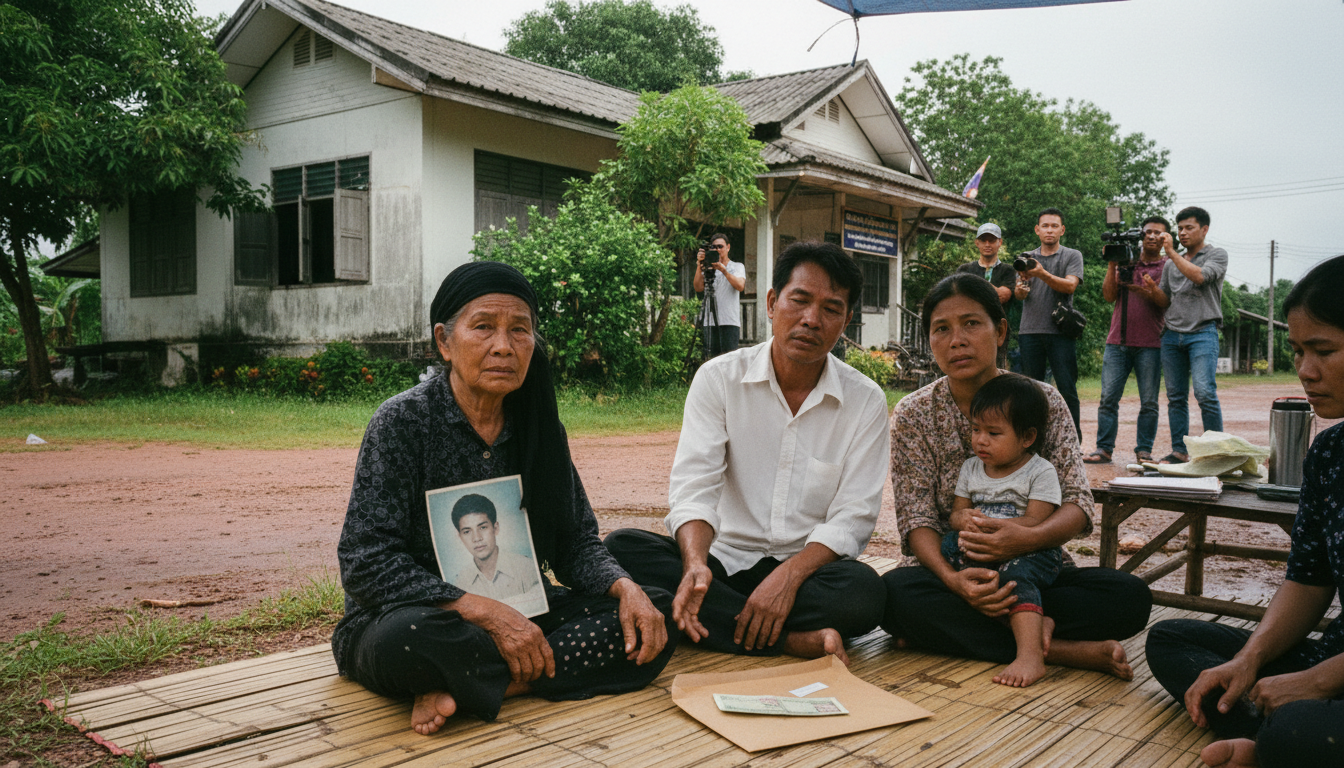
In Chiang Rai, the families of two Mae Fah Luang law students, 19-year-old Nichapha Promtong and 18-year-old Alfarin Gazo, have rejected a compensation offer of 100,000 baht per family. Kamol Ratchakhom, a 32-year-old medical instructor, admitted to five charges related to the crash that killed the students and injured 19-year-old Phatchareeporn Nakhonchan on August 25 at Nang Lae Intersection. This refusal, made on September 15, goes against an expectation often seen in accident cases where financial settlements are a primary path to resolution.
The rejection suggests a growing sentiment among those affected by tragic incidents that accountability extends beyond a monetary figure. For many households, a sum like 100,000 baht, while significant, does not equate to the long-term economic and emotional void left by a sudden death. When a university student's life is cut short, the loss encompasses future earning potential, educational investment, and the deep emotional impact on parents and siblings. The perceived inadequacy of the offer, particularly from someone like a medical instructor, indicates a disconnect between what is offered and what is considered true restitution for such a profound loss.
This incident is not isolated. In other contexts, similar rejections have occurred when families believe the offered compensation does not match the severity of the loss or the perpetrator's culpability. For instance, in 2020, the fiancée of Jamal Khashoggi rejected a forgiveness offer to his killers, underscoring that some losses are not quantifiable by financial means alone. Similarly, families of Germanwings crash victims took Lufthansa to court, signaling a pursuit of broader justice. Even in cases where governments are involved, such as the 2018 ruling for South Korea to compensate Sewol victims, the process often becomes a fight for recognition and systemic change, not just immediate financial relief.
### The Cost of Accountability
For an everyday economy, the impact of such a tragedy extends beyond the immediate family. The student community, the university, and local businesses can all experience ripple effects. The loss of students, particularly those in demanding fields like law, represents a loss of future human capital. When families push back against what they see as insufficient compensation, they are not only seeking a more fitting acknowledgment of their specific loss but also, implicitly, contributing to a broader societal re-evaluation of how such incidents are handled. The medical instructor's admission of guilt provides a basis for legal proceedings, but the compensation stage often becomes the battleground for defining true responsibility.
The ongoing mediation, which is expected to continue, indicates that this situation has not reached its conclusion. While the families' decision might be seen by some as an emotional response, it also serves as a strong signal that the value placed on a human life, and the subsequent demand for justice, cannot always be distilled into a pre-determined financial package. The outcome now depends on whether the legal system and the responsible parties can provide a resolution that addresses both the financial and intrinsic aspects of the families' immense loss.
Sources
Newsletter
Pacific Daily
A curated briefing from Thailand, Asia-Pacific and the world.