Thai Court Reaffirms Ballot Validity Amid Ongoing Electoral Scrutiny
The Constitutional Court's decision on ballot paper codes addresses a specific concern, yet the pattern of judicial review in Thailand's elections continues to shape public perception and political stability.
SINGAPORE
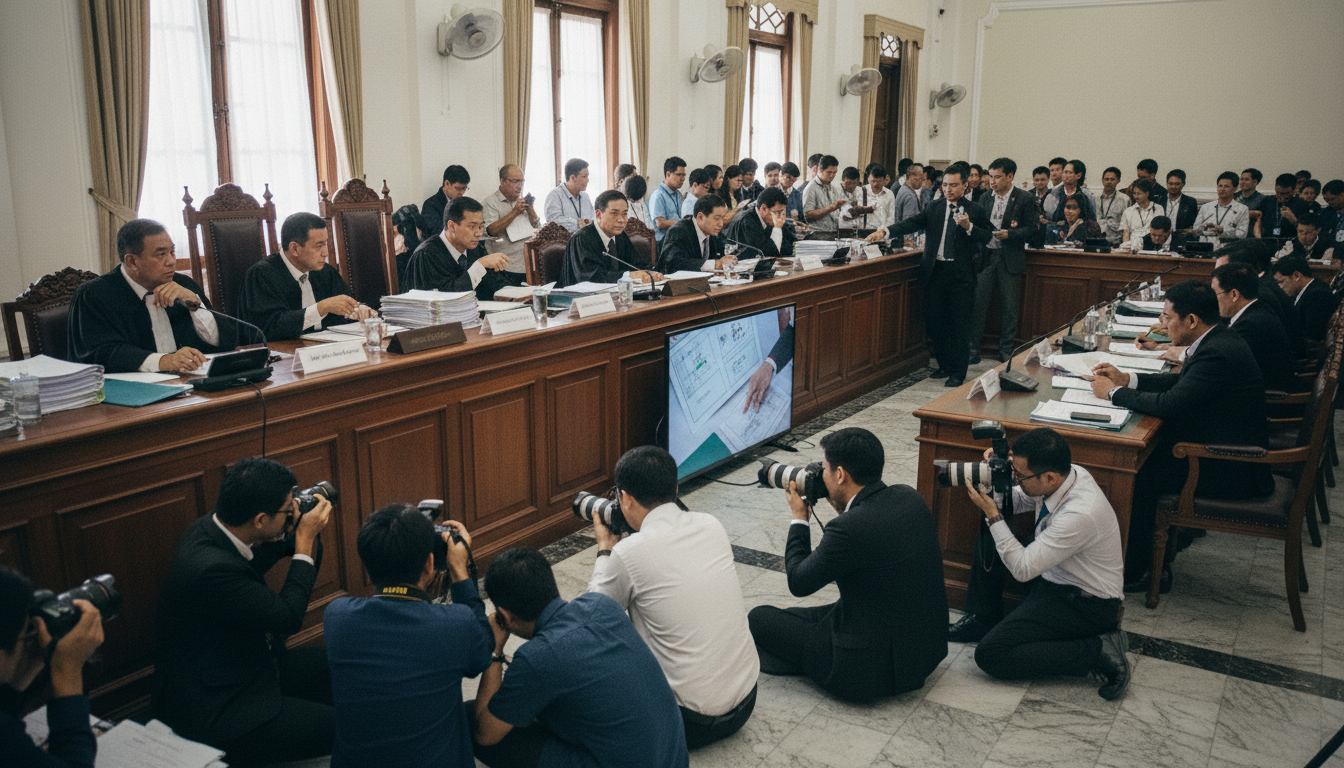
Thailand’s Constitutional Court on Monday upheld the validity of ballot papers used in the recent general election. The ruling dismissed 22 complaints that argued barcodes and QR codes on the ballots could compromise voting secrecy, a right protected by the Constitution. The court determined that these codes were designed for effective election supervision and did not violate voters' rights.
This decision clarifies the legal standing of the election, removing one source of potential political instability. The court heard testimony from senior Election Commission officials and representatives from the companies responsible for printing the ballot papers, suggesting a detailed review of the technical aspects of the election process. For those who cast their votes, the concern was whether the digital identifiers on their ballot could be linked back to their individual choice, potentially undermining the principle of a secret ballot.
While the ruling addresses this technicality, the wider context of electoral transparency in Thailand frequently involves scrutiny beyond the design of ballot papers. Allegations and concerns around election processes, whether related to administration or public perception of fairness, have historically contributed to political tensions. When courts rule on electoral matters, the implications extend to public trust in democratic institutions and the stability of the elected government.
The court's decision prevents a scenario where the recent election might have been invalidated, a development that The Japan Times had identified as risking “renewed political turmoil.” Such an outcome would have imposed significant costs, both in terms of financial expenditure for a rerun and the social expense of prolonged uncertainty. The daily operations of governance and the public's confidence in policy implementation are often directly affected by the perception of a legitimate electoral mandate.
The Cost of Recurrent Review
The ruling emphasizes the procedural aspects of the election, affirming that the mechanisms in place were considered compliant with constitutional requirements for ballot secrecy. However, the sustained need for such court interventions, even on technical grounds, highlights the ongoing questions about the robustness and perceived impartiality of election management. The cost of these decisions, particularly for citizens, is the repeated cycle of judicial review that can prolong political contests and delay a focus on governance.
Moving forward, the challenge for Thailand’s institutions will be to ensure that the processes underpinning elections are not only legally sound but also inspire broad public confidence. This court ruling addresses a specific technical concern, yet it is a single point in a broader pattern where electoral outcomes are frequently subject to legal challenges and public debate about fairness. The underlying tension remains: how to balance necessary oversight with maintaining public trust in the electoral system, thereby avoiding future disputes that divert attention from national development.
Sources
Newsletter
Pacific Daily
A curated briefing from Thailand, Asia-Pacific and the world.